Choosing the right marine distress lights can make a real difference when visibility drops, batteries fail, or an emergency happens fast. The best options are bright, easy to activate, and compliant with the rules that matter on your boat.
Below, you’ll find a focused roundup of 10 emergency signal lights for boaters, paddlers, and offshore crews, with an eye on certification, runtime, waterproofing, and practical everyday use.
Best 10 Marine Distress Lights Picks for 2026
USCG-Approved Flare Replacement
Sirius Signal C-1003 SOS LED Distress Signal
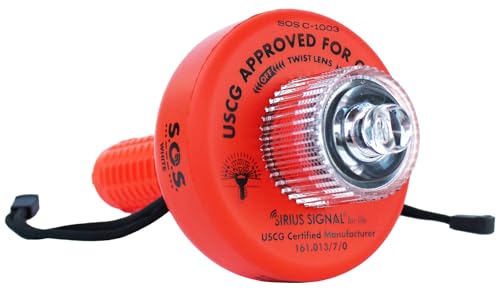
- USCG-approved for night, day, and audible signaling
- SOS light lasts up to 60 hours
- Includes flag and whistle for full kit coverage
Best For: Boaters wanting a complete flare replacement kit
Compact Waterproof Backup

- USCG/SOLAS compliant emergency signal
- Waterproof with automatic activation
- Lightweight and easy to strap on
Best For: Life jacket signaling and compact backup use
Long-Life Electronic Flare Kit

- USCG and SOLAS compliant flare replacement
- 30+ hour runtime with replaceable CR123 batteries
- Floats upright and includes flag plus whistle
Best For: Boat and PWC owners needing a durable flare alternative
Wearable Life Jacket Signal
ACR C-Strobe LED Emergency Light
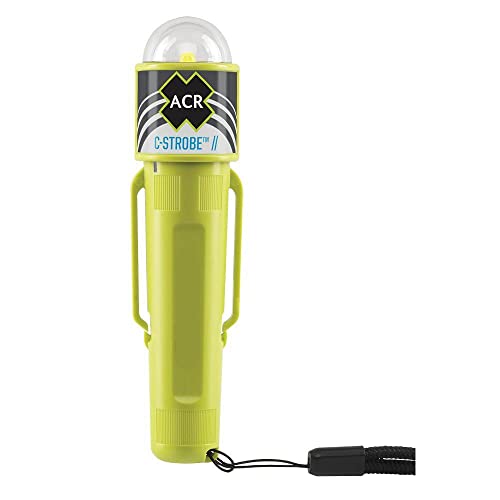
- USCG/SOLAS approved emergency strobe
- Clip and Velcro strap for easy wear
- Compact manual light for life jacket use
Best For: Wearable signaling on a life jacket
Red Marine Beacon
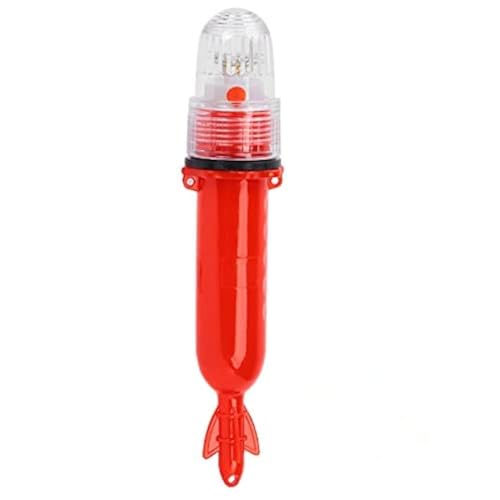
- LED beacon with amplified flash
- Day/night light sensor
- IP65 sealed housing, not for submersion
Best For: Kayaks, pontoons, and small boats needing a simple emergency beacon
USCG Distress Kit

- USCG approved flare replacement kit
- White SOS plus infrared signaling
- Includes flag, whistle, and mounts
Best For: Boaters wanting a complete, reusable distress-signal kit
ACR Bulk Strobes

- USCG/SOLAS approved personal strobe
- Water-activated with three light modes
- Up to 120 hours of strobe runtime
Best For: Groups and boaters outfitting multiple PFDs or rescue kits
USCG-Approved Two-Color SOS
Sirius Signal C-1002 SOS LED Distress Signal

- USCG approved for night, day, and audible signaling
- Two-color SOS plus infrared for high visibility
- Includes flag, whistle, mount, and batteries
Best For: Boaters wanting a complete flare-replacement kit
Nighttime Waterproof Flare Replacement
SOSeFLARE 5 Electronic Boat Distress Flare

- USCG and SOLAS approved for night use
- Waterproof, submersible, and floats upright
- 30+ hours of SOS signaling with CR123 batteries
Best For: Nighttime emergency signaling on boats and PWCs
Compact All-in-One Mini Beacon
Sirius Signal A-1001 SOS LED Mini Beacon
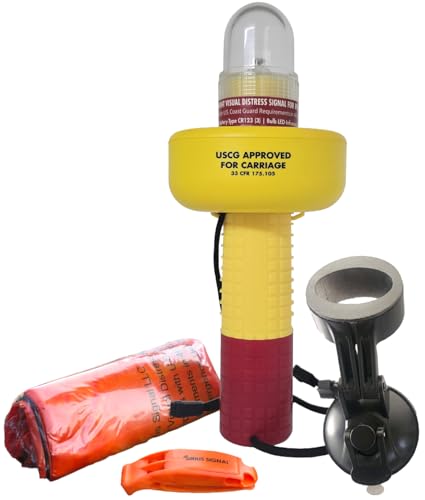
- USCG approved compact flare replacement
- Includes flag, whistle, mount, and batteries
- Mini Solo floats and works as a standalone beacon
Best For: Boaters who want a compact, portable distress kit
USCG-Approved Flare Replacement – Sirius Signal C-1003 SOS LED Distress Signal
If you want marine distress lights that can replace traditional flares, the Sirius Signal C-1003 is built around a complete USCG-approved distress kit. It combines a bright white SOS LED signal with daytime and audible signaling, making it a practical all-in-one option for boaters who want a longer-lasting, cleaner alternative to pyrotechnic flares.
Best For: Boaters who want a full flare replacement kit with night, day, and audible signaling.
Pros:
- USCG approved kit for night, daytime, and audible distress requirements
- Flashes SOS for up to 60 hours, with batteries included
- Visible up to 10 nautical miles with a 360-degree beam
- Includes distress flag and marine whistle for complete signaling coverage
Cons:
- Uses 3 C batteries, which may be bulkier than AA-powered options
- Handheld form factor may be less convenient for fixed mounting
The C-1003 stands out if you want a single marine distress light system that covers more than just nighttime visibility. Its long runtime and included flag and whistle make it a strong choice for compliance-minded boat owners.
Compact Waterproof Backup – ACR C-Light H20
The ACR C-Light H20 is a compact marine distress light designed as a simple emergency signal for life jacket use or backup stowage. With automatic activation, waterproof construction, and USCG/SOLAS compliance, it fits well as a lightweight safety light you can keep ready without much bulk.
Best For: Life jacket emergency signaling and compact backup use.
Pros:
- USCG/SOLAS compliant for emergency signaling
- Waterproof and automatically activates in the water
- Very lightweight at 1.6 ounces for easy carry
- Velcro strap/lashing loop mounting makes attachment simple
Cons:
- 20-lumen output is modest compared with larger distress signals
- Requires 2 AA batteries, which are not included in the notes
This is a straightforward choice if you want a small, automatic marine distress light rather than a full flare replacement kit. It makes the most sense as a personal safety signal on a vest or as a compact backup onboard.
Long-Life Electronic Flare Kit – SOSeFLARE 5 No More Flares
The SOSeFLARE 5 is a marine distress light kit aimed at boaters who want an electronic flare replacement with both visual and audible signaling. It flashes SOS, includes a distress flag and whistle, and is designed to float upright while handling harsh marine conditions and submersion.
Best For: Boat and PWC owners who want a durable electronic flare kit with long battery life.
Pros:
- USCG and SOLAS compliant for night signals and legal flare replacement use
- Runs up to 30+ hours on user-replaceable CR123 batteries
- Waterproof, floats upright, and can be submerged up to 500 feet
- Includes a daytime flag and audible whistle for broader emergency coverage
Cons:
- Uses CR123 batteries, which are more specialized than AA cells
- Primarily a handheld kit, so it is not a fixed-installed light
If you want a marine distress light that is built for serious emergency readiness, this kit brings together visibility, floatation, and compliance. Its long battery life and compact storage-friendly design make it a strong onboard safety option.
Wearable Life Jacket Signal – ACR C-Strobe LED Emergency Light
The ACR C-Strobe is a compact marine distress light made for life jacket mounting and emergency signaling. With a manual activation design, clip and Velcro strap, and USCG/SOLAS approval, it works as a simple wearable beacon when you want a small, dedicated safety light.
Best For: Wearable emergency signaling on a life jacket.
Pros:
- USCG and SOLAS approved for emergency signaling
- Clip and Velcro strap make it easy to mount on gear
- Compact and lightweight for low-profile wear
- 45-lumen LED output for basic visibility
Cons:
- Manual operation means it does not auto-activate
- Requires AA batteries, which are not detailed as included
This is a practical pick if you want a simple wearable marine distress light instead of a larger flare kit. Its value is in being compact, compliant, and easy to attach to a life jacket.
Red Marine Beacon – Kayak Emergency Strobe
If you want marine distress lights for a kayak, pontoon, or small boat, this beacon focuses on simple emergency visibility rather than a full distress kit. It uses an advanced lens to amplify the LED flash, includes an internal light sensor for day/night control, and is built with a sealed housing and IP65 water resistance for rough weather.
Best For: Boaters and paddlers who want a compact electronic distress light for emergency signaling and occasional night use.
Pros:
- Advanced lens helps amplify the LED warning flash.
- Internal light sensor turns the light off in daylight and on in the dark.
- Sealed single-piece housing with IP65 water resistance.
- Can also be used to attract baitfish and other marine life.
Cons:
- Not rated for continuous submersion.
- Requires 2 AA batteries.
- More of a visual beacon than a complete distress-signal kit.
For buyers who want a basic, battery-powered flashing signal, this is a practical low-complexity option. Its weather resistance and automatic day/night behavior make it useful as a backup marine distress light, especially for small craft and fishing setups.
USCG Distress Kit – White SOS with IR
For buyers comparing marine distress lights that go beyond a basic flash beacon, this Sirius Signal kit stands out as a complete signal package. It combines a Coast Guard approved white SOS light with infrared output, plus a daytime distress flag and marine whistle, so it covers the main daytime, nighttime, and audible requirements in one kit.
Best For: Boaters who want a USCG-approved electronic flare replacement with a full distress signaling kit.
Pros:
- USCG approved kit for night, day, and audible distress signal requirements.
- White SOS plus infrared output for signaling.
- Includes daytime flag, whistle, storage mount, and suction display mount.
- Uses clean LED technology instead of pyrotechnic flares.
Cons:
- Larger and more involved than a single-purpose light.
- Requires three CR123A batteries, which are included but still a battery-based system.
- Designed as a signal kit, so it may be more than some casual paddlers need.
This is the most complete option in the group if your priority is meeting distress-signaling needs with a reusable electronic system. It’s a strong pick for boaters who want a flare replacement that packs in multiple signaling tools.
ACR Bulk Strobes – Water-Activated 10-Pack
If you need marine distress lights for multiple life jackets or a fleet of safety kits, this ACR bulk pack is built around compact personal signaling. Each C-Strobe H2O is water-activated, USCG/SOLAS approved, and offers strobe, steady-on, and SOS modes with up to 120 hours of continuous strobe operation.
Best For: Groups, outfitters, or boat owners who need multiple compact emergency strobes for PFDs and survival gear.
Pros:
- USCG/SOLAS approved personal distress strobe.
- Water-activated and compact for life jackets or backpacks.
- Three modes: strobe, steady-on, and SOS.
- Up to 120 hours of strobe runtime per light.
Cons:
- Bulk 10-pack may be more than a single user needs.
- Lower 45-lumen output than larger beacon-style devices.
- Best suited to personal wear, not boat-wide signaling.
This pack makes sense when outfitting several people or building standardized safety kits. The slim design and long runtime give it strong utility as a personal marine distress light, especially for PFD-mounted emergency signaling.
USCG-Approved Two-Color SOS – Sirius Signal C-1002 SOS LED Distress Signal
If you want marine distress lights that can replace traditional flares without the recurring expiry hassle, the Sirius Signal C-1002 is built for that job. This USCG-approved kit combines a two-color SOS light with infrared output, plus the daytime and audible signals you need to cover the full compliance package.
Best For: Boaters who want a complete, flare-replacement distress kit with night, day, and audible signaling in one package.
Pros:
- USCG approved to fulfill night, day, and audible distress signal requirements.
- Two-color SOS output with infrared for improved visibility and up to 10 miles of range.
- Includes daytime flag, whistle, suction-cup mount, lanyard, and batteries.
- Bluetooth app support lets you check battery status and operate the light remotely.
Cons:
- Requires 8 CR123A batteries, so battery replacement is part of ownership.
- Bulkier than a simple handheld flashlight-style emergency light.
For boaters who want a more complete and modern flare alternative, the C-1002 stands out for its all-in-one kit and broad compliance coverage. Its two-color signal and included accessories make it especially practical for keeping onboard emergency signaling simple.
Nighttime Waterproof Flare Replacement – SOSeFLARE 5 Electronic Boat Distress Flare
Among marine distress lights, the SOSeFLARE 5 is aimed at boaters who need a nighttime-only electronic flare replacement with strong visibility and simple upkeep. It is certified by the Coast Guard and SOLAS, uses replaceable CR123 lithium batteries, and is designed to float upright while remaining waterproof and submersible.
Best For: Nighttime emergency signaling for boats, jet skis, and watercraft where a waterproof, flare-replacement light is the priority.
Pros:
- USCG and SOLAS approved for nighttime distress use.
- Waterproof, submersible, and built to float upright in water.
- Provides 30+ hours of continuous SOS signaling with replaceable CR123 batteries.
- No expiration date, so it avoids the recurring replacement cycle of pyrotechnic flares.
Cons:
- No daytime flag is included.
- Designed for night use, so it is not a full all-signal replacement kit.
If your focus is a dependable electronic flare for nighttime emergencies, this model offers a practical balance of compliance, battery life, and waterproof construction. It is a straightforward choice for smaller craft and emergency kits where upright flotation and long runtime matter.
Compact All-in-One Mini Beacon – Sirius Signal A-1001 SOS LED Mini Beacon
If you want marine distress lights that pack into a smaller emergency kit, the Sirius Signal A-1001 is a compact flare replacement with a strong feature set. It combines a USCG-approved SOS beacon with a stored daytime flag, marine whistle, and suction mount, making it a tidy choice for boats and portable grab-and-go use.
Best For: Boaters and outdoor users who want a compact distress signal kit that can also travel beyond the boat.
Pros:
- USCG approved and rated for carriage, with a detachable Mini Solo light module.
- Includes daytime flag, marine whistle, lanyard, and suction-cup mount.
- Mini Solo floats on its own and can be used as a standalone beacon.
- Compact size makes it easier to store in tight spaces or pack for land adventures.
Cons:
- Uses a white + infrared signal instead of the two-color design found on some larger units.
- Smaller form factor may be less appealing if you want a more prominent mounted display.
The A-1001 is a smart option if you value portability and a neatly packaged safety kit. It keeps the essentials together while still offering the compliance-oriented signaling features boaters expect from marine distress lights.
How We Picked These Marine Distress Lights
We prioritized products that are designed for real emergency use, not just general utility lighting. That means looking for USCG and SOLAS compliance where applicable, clear signaling patterns, waterproof or water-activated designs, and form factors suited to boats, kayaks, life jackets, and ditch bags. We also considered whether a light is intended as a flare replacement, a wearable PFD beacon, or a compact backup signal.
Quick Comparison
For most boat owners, the fastest way to narrow the list is by use case. Flare-replacement lights are best if you want a long-lived electronic alternative to pyrotechnics. PFD strobes are better when you want hands-free personal visibility. Compact beacons are useful as backup signals, while bulk packs make sense for crews, charter boats, and outfitting multiple life jackets.
Key Buying Factors for Marine Distress Lights
Certification and Compliance
Check whether the light is USCG approved, SOLAS compliant, or both. That matters for legality, acceptance as a substitute for flares, and confidence in the signal’s performance. If you boat offshore or carry safety gear for inspections, compliance should be near the top of your list.
Signal Type and Visibility
Different Marine Distress Lights serve different roles. Bright white SOS lights are excellent for broad visibility. Two-color or white-plus-IR units may offer added flexibility, especially for search and rescue use. PFD strobes are typically designed for high-contrast location signaling and should be easy to see at night and in rough water.
Activation Method and Mounting
Consider how quickly you can use the light in an emergency. Water-activated models are convenient for life jackets, while manual SOS units may be better for stowing in a grab bag. Clips, Velcro straps, flags, and audible signals can improve usability when seconds count.
Power, Runtime, and Maintenance
Battery type and expected runtime matter more than many buyers realize. Some lights use replaceable AA batteries; others are built for long shelf life with fewer maintenance concerns. If you want low upkeep, look for products that are simple to inspect and easy to keep ready.
Who Should Buy Which Marine Distress Lights?
If you want a direct replacement for flare kits, choose a compliant electronic flare-style light. If you need personal visibility on a life jacket, a water-activated strobe is the smarter pick. Kayakers and day boaters may prefer compact beacons for easy packing, while offshore crews and families may benefit from a mix of handheld signals and wearable lights. The best Marine Distress Lights are the ones you can deploy instantly and trust to perform when conditions are worst.