Choosing the right autopilot can make long passages safer, less tiring, and far more enjoyable. The best sailboat autopilots match your boat size, steering system, and sailing style without adding unnecessary complexity.
In this roundup, we focus on practical options for tiller and wheel steering, from compact cockpit units to advanced networked systems, so you can find the right fit with confidence.
Best 10 Sailboat Autopilots Picks for 2026
Raymarine core pack
Raymarine EV-200 Sail Pilot No Drive

- Includes ACU200, p70, EV-1 sensor, and cabling
- Evolution system with no calibration required
- Drive unit sold separately
Best For: Sailboat owners who need the Raymarine autopilot core and will pair it with a compatible drive
Tiller-steering pick
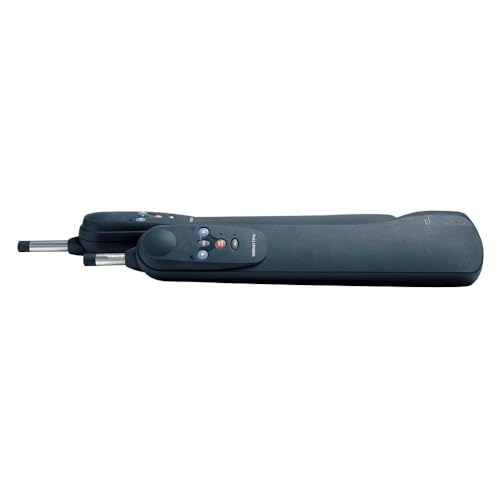
- Purpose-built for tiller steering
- Stainless steel, 7-pound design
- Corded electric operation
Best For: Tiller-steered sailboats needing a simple autopilot
Evolution sensor pack
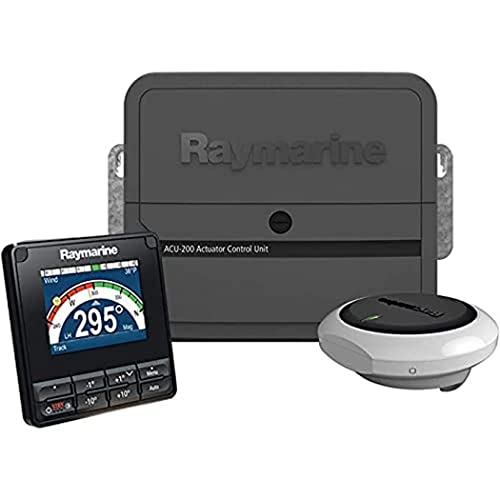
- Tracks heading, pitch, roll, and yaw
- Solid-state sensor tech with auto-compensation
- Drive unit not included
Best For: Sailors wanting a Raymarine no-drive autopilot with advanced sensor accuracy
App-driven option
Captain Autopilot Marine Autopilot
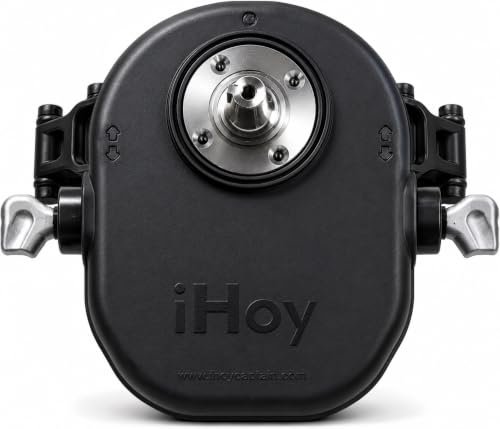
- Bluetooth 5 phone control up to 30 meters
- Fits most boats under 15 metres with 3/4 inch helm shaft
- Instant manual override plus automatic calibration
Best For: Boat owners who want app-based autopilot control and quick self-installation
Advanced Solid-State Autopilot
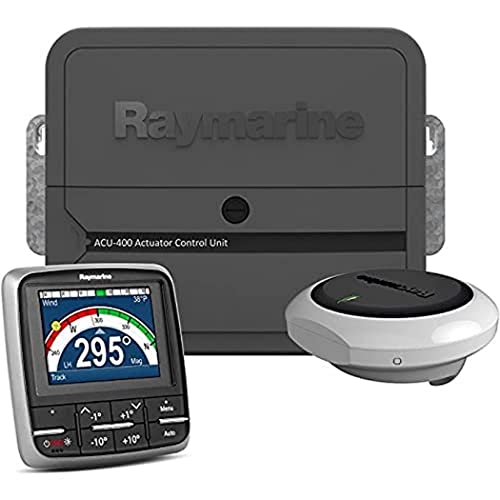
- 2-degree accuracy from solid-state sensing
- Tracks heading, pitch, roll, and yaw
- Flexible above- or below-deck installation
Best For: Larger boats needing a precise autopilot core
Wheel-Pilot Starter Kit

- Complete kit with wheel drive and p70 controller
- No calibration required for easier setup
- Fits most sailboat wheels up to 16,500 lbs
Best For: Mid-sized sailboats needing an all-in-one wheel pilot
Quiet Tiller Pilot

- Simple keypad controls for easy adjustments
- Low power draw for longer battery life
- Quiet, waterproof tiller-pilot design
Best For: Tiller boats needing a simple, quiet autopilot
Wheel-Driven Control
Raymarine EV-100 Wheel Evolution Autopilot
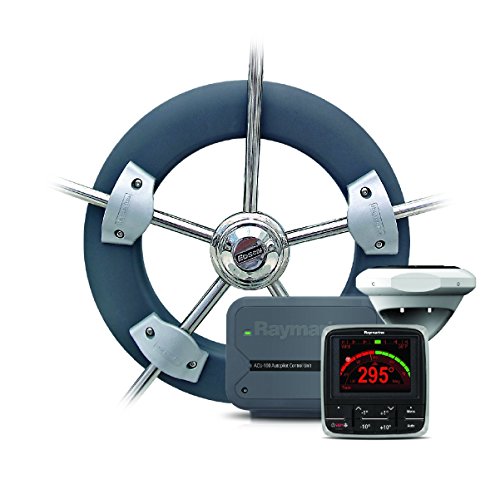
- Wheel-steered autopilot for boats up to 16,500 lbs.
- Easy installation and setup.
- Precise, reliable steering control.
Best For: Wheel-steered sailboats needing dependable autopilot control
Compact Tiller Steering
Raymarine ST2000+ 5-Ton Tiller Pilot

- For sailing vessels up to 10,000 lbs.
- NMEA0183 and SeaTalk capable.
- Includes tiller pin, socket, and power plug.
Best For: Tiller-steered sailboats needing a compact autopilot
Responsive Tiller Pilot
Raymarine ST2000+ Tiller Pilot A12005
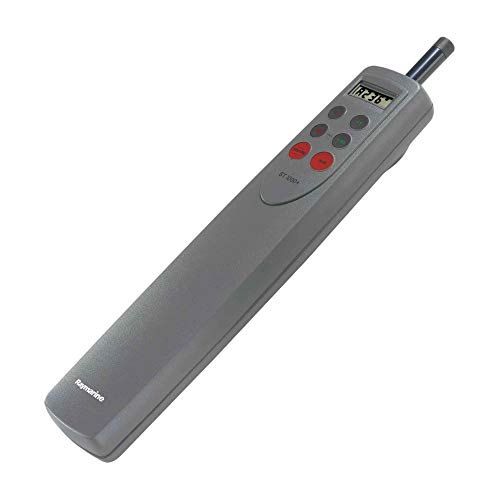
- Compact and easy to install.
- Accurate, responsive steering control.
- Suitable for sailboats and powerboats.
Best For: Boaters needing a compact tiller autopilot
Raymarine core pack – Raymarine EV-200 Sail Pilot No Drive
If you’re comparing sailboat autopilots for a Raymarine-based setup, the EV-200 Sail Pilot Pack is a strong no-drive option. It bundles the ACU200 processor, p70 control head, EV-1 sensor, and EV-1 cabling kit, so you get the core Evolution components in one package and can match the drive unit separately to your boat.
Best For: Sailboat owners who want a Raymarine Evolution autopilot core and already have, or plan to choose, a compatible drive unit.
Pros:
- Includes ACU200 processor, p70 control head, EV-1 sensor, and EV-1 cabling kit
- Evolution system with no calibration required
- SeaTalk connectivity and panel/dashboard mounting options
- Supports common satellite navigation systems including GPS, GLONASS, Galileo, and BeiDou
Cons:
- Drive unit is not included
- Higher-complexity system may be more than basic tiller-steering needs
- Requires planning around compatible Raymarine components
For sailors building a fuller Raymarine autopilot setup, this pack gives you the main control and sensing hardware in one box. It makes most sense when you want Evolution features and are specifically shopping for a no-drive sailboat autopilot package.
Tiller-steering pick – Simrad TP22 Tiller Pilot
The Simrad TP22 is a straightforward choice if you want sailboat autopilots for a tiller-steered boat. It’s built as a tiller pilot with electric corded operation, stainless steel construction, and a compact 7-pound package that suits simpler steering setups.
Best For: Tiller-steered sailboats that need a basic electric autopilot unit from a known marine brand.
Pros:
- Designed specifically for tiller steering
- Stainless steel material for marine use
- Simple electric, corded operation
- Relatively light at 7 pounds
Cons:
- Limited to tiller-steered boats
- No advanced networking or sensor bundle listed
- Less feature-rich than larger system-based autopilots
If your boat is a tiller setup and you want an uncomplicated autopilot, the TP22 keeps the buying decision simple. It’s best viewed as a practical steering aid rather than a full integrated autopilot package.
Evolution sensor pack – Raymarine EV-200 P70 No Drive
Among sailboat autopilots, this Raymarine EV-200 package stands out for its sensor-focused Evolution system. It includes the EV-200 autopilot with p70 control head and no drive, and its solid-state technology is designed to monitor heading, pitch, roll, and yaw so the system can adapt as sea conditions change.
Best For: Sailors who want advanced heading accuracy and Evolution sensor performance in a Raymarine no-drive package.
Pros:
- Solid-state sensor technology for dynamic accuracy
- Monitors heading, pitch, roll, and yaw
- Flexible installation above or below deck
- SeaTalkng connectivity and auto-compensation for magnetic fields
Cons:
- Drive unit is not included
- Built around Raymarine-specific components and connectivity
- More suitable for integrated systems than standalone simplicity
This is a good fit if you value sensor performance and want an autopilot that can evolve with changing conditions. As with other no-drive packs, it works best when you already know which drive unit and installation style you need.
App-driven option – Captain Autopilot Marine Autopilot
If you’re shopping sailboat autopilots with phone control in mind, the iHoy Captain takes a very different approach. It’s designed for boats under 15 metres with a 3/4 inch helm shaft, runs on 12V DC, and adds app-based control through Bluetooth 5 for use from anywhere on the boat.
Best For: Small- to mid-sized boats under 15 metres where app control, quick installation, and manual override matter.
Pros:
- App control with Bluetooth 5 range up to 30 meters
- Compatible with most boats under 15 metres and 3/4 inch helm shaft
- Automatic calibration and self-installation claims
- Instant manual override for immediate control
Cons:
- Compatibility is limited by helm shaft and boat size requirements
- Relies on mobile phone/app-based operation
- Weather data access depends on third-party approval noted in the product details
This is the most tech-forward option in the group and may appeal to owners who want convenience and remote steering features. It’s worth checking fit carefully, since the product’s compatibility requirements are more specific than a traditional autopilot system.
Advanced Solid-State Autopilot – Raymarine EV-400 No Drive
If you’re comparing sailboat autopilots for a larger boat or a more demanding cruising setup, the Raymarine Pilot EV-400 is built around precision and adaptability. Its solid-state sensor core tracks heading, pitch, roll, and yaw, while SeaTalkng connectivity keeps installation and system integration straightforward.
Best For: Sailors who want a high-accuracy autopilot core for larger vessels and flexible installation.
Pros:
- Solid-state sensor tech delivers dynamic accuracy to within 2 degrees.
- Monitors heading, pitch, roll, and yaw for active response to changing sea conditions.
- Flexible installation above or below deck.
- Auto-compensation helps maintain reliable heading accuracy in magnetic fields and extreme latitudes.
Cons:
- Sold as a no-drive package, so it needs compatible steering hardware.
- SeaTalkng connectivity may require matching Raymarine system components.
For buyers who already have the drive side sorted out, this EV-400 focuses on sensor precision and control stability rather than a bundled steering solution. It is a strong fit when accurate heading control and flexible mounting matter most.
Wheel-Pilot Starter Kit – Raymarine EV-100 Cockpit Sail
Among sailboat autopilots, the Raymarine EV-100 Cockpit Autopilot is aimed at boaters who want a complete wheel-pilot package with simple setup. It combines the EV-1 sensor core, p70 control head, ACU-100, and wheel drive, plus SeaTalkng networking for a single-cable power and data connection.
Best For: Sailboat owners up to 16,500 lbs who want a complete wheel autopilot kit.
Pros:
- Complete autopilot-in-a-box with controller, sensor core, ACU, wheel drive, and cabling.
- No calibration required for quicker setup.
- Fits most types of sailboat wheels and uses simple clutch engagement.
- EV sensor core is sealed and rated to IPX6/IPX7 waterproofing and submersion standards.
Cons:
- Designed for boats up to 16,500 lbs, so it is not for larger sailboats.
- Requires a 12V DC power system.
This is the easiest option in the group for buyers who want a bundled wheel-drive system rather than a piecemeal installation. It trades top-end flexibility for convenience, making it a practical choice for many mid-sized sailboats.
Quiet Tiller Pilot – Simrad TP10 Tiller Pilot
If you need a compact option in sailboat autopilots, the Simrad TP10 Tiller Pilot focuses on simple controls, low power draw, and quiet operation. It is designed for coastal sailing conditions and includes waterproof protection for everyday use on a tiller-steered boat.
Best For: Tiller-steered sailboats where quiet, low-draw autopilot control matters.
Pros:
- Simple keypad controls make adjustments straightforward.
- Low power draw helps extend battery life during longer use.
- Designed to be extremely quiet.
- Waterproof sealing adds protection from the elements.
Cons:
- Built for tiller setups, so it is not a wheel-pilot solution.
- Positioning and use are aimed at typical coastal sailing conditions.
The TP10 is a practical pick when you want dependable steering assistance without much complexity or noise. It makes the most sense for sailors who value simplicity and efficiency over advanced system integration.
Wheel-Driven Control – Raymarine EV-100 Wheel Evolution Autopilot
If you’re comparing sailboat autopilots for a wheel-steered boat, the Raymarine EV-100 Wheel Evolution Autopilot is built for straightforward automatic steering control on vessels up to 16,500 lbs. It focuses on easy installation and setup while delivering precise, reliable helm management for day sailing and longer passages.
Best For: Wheel-steered sailboats that need an easy-to-install autopilot with dependable steering control.
Pros:
- Designed for wheel-steered sailboats up to 16,500 lbs.
- Easy installation and setup.
- Provides precise and reliable autopilot functionality.
- Uses corrosion-resistant aluminum and reinforced polymers.
Cons:
- Built for wheel-steered boats, not tiller-steered setups.
- Heavier system at 14.5 pounds.
- May be more than needed for very small sailboats.
This is a practical choice if you want a sailboat autopilot that emphasizes dependable wheel control and a simple setup path. Its size and weight limits make it a better fit for mid-size sailboats than smaller craft.
Compact Tiller Steering – Raymarine ST2000+ 5-Ton Tiller Pilot
For sailors shopping sailboat autopilots for a tiller-steered boat, the Raymarine ST2000+ Tiller Pilot is a compact option rated for vessels up to 10,000 lbs. It uses a battery-powered 12 VDC setup, supports NMEA0183 and SeaTalk, and includes the tiller pin, mounting socket, and deck-mounted power plug for installation.
Best For: Tiller-steered sailboats up to 10,000 lbs that need a compact, connected autopilot.
Pros:
- Rated for sailing vessels up to 10,000 lbs (4,500 kg).
- Compact tiller pilot design with included mounting hardware.
- NMEA0183 and SeaTalk capable.
- Low 40mA power consumption listed in the notes.
Cons:
- Designed for tiller-steered boats, not wheel steering.
- Smaller capacity than wheel-pilot systems.
- Battery-powered setup may not suit every installation preference.
This model makes sense if you want a straightforward tiller autopilot with basic connectivity and a compact footprint. It is best matched to smaller sailboats where simple steering assistance matters more than larger-system capability.
Responsive Tiller Pilot – Raymarine ST2000+ Tiller Pilot A12005
Among sailboat autopilots, the Raymarine ST2000+ Tiller Pilot stands out as a compact, easy-to-install steering aid that offers accurate and responsive control. The notes describe it as suitable for a variety of sailboats and powerboats, with an electric corded setup and a lightweight 4.9-pound build.
Best For: Boaters who want a compact, responsive tiller autopilot for easy navigation.
Pros:
- Compact and easy to install.
- Offers accurate and responsive steering control.
- Suitable for a variety of sailboats and powerboats.
- Lightweight at 4.9 pounds.
Cons:
- Specific vessel size limits are not provided in the notes.
- Built as a tiller pilot, so it is not for wheel steering.
- Corded electric operation may limit placement flexibility.
This is a solid pick if you value simple installation and responsive steering in a compact autopilot. It is best suited to smaller helm setups where a tiller pilot is the right match.
How We Picked These Sailboat Autopilots
We focused on systems that are well known for marine reliability, clear control interfaces, and real-world compatibility with common cruising sailboats. Selection also emphasized steering type, installation style, and whether the unit is better suited to smaller day-sailers, coastal cruisers, or larger offshore boats.
We also considered how easy each option is to integrate with existing electronics, how much setup is typically required, and whether the system offers a good balance of price, durability, and steering performance.
Quick Comparison: What Matters Most
When comparing Sailboat Autopilots, the fastest way to narrow the list is by steering method and boat size. Tiller pilots are usually the simplest choice for smaller sailboats, while wheel and below-deck systems are better for heavier boats or sailors who want stronger course-keeping in tougher conditions.
Look at power consumption, drive compatibility, and whether the autopilot is intended for cockpit mounting or a more integrated helm setup. Those details often matter more than headline features.
Key Buying Factors for Sailboat Autopilots
Steering Type
Start with the basics: tiller, wheel, or below-deck. A mismatch here can lead to poor performance or a difficult installation. Tiller pilots are common on smaller boats, while wheel systems are a natural fit for many mid-size cruisers.
Boat Size and Displacement
Match the autopilot’s rated capacity to your actual boat. Heavier displacement and larger sail plans require more robust steering support, especially if you sail in wind, chop, or offshore conditions.
Control and Integration
Some Sailboat Autopilots are standalone units, while others connect to chartplotters, compasses, or broader marine networks. If you already have electronics onboard, integration can make route following and wind-angle steering more useful.
Installation and Maintenance
Consider whether you want a simple plug-and-play cockpit unit or a more advanced system that may require professional installation. Also think about service access, spare parts, and how easy the controller is to read and use underway.
Who Should Buy Which Sailboat Autopilots?
Smaller sailboats and budget-conscious buyers usually do best with compact tiller pilots. Coastal cruisers who want more capacity and better integration should look toward wheel or advanced autopilot packages. For larger boats or sailors planning longer passages, higher-capacity systems are generally the safer, more capable choice.
If you want the simplest path to less fatigue on the water, choose the autopilot that best matches your helm style and boat weight first, then compare features second. That approach will get you the most practical result from Sailboat Autopilots.