Choosing the right navigation setup can make every sail safer and less stressful. The best sailboat GPS systems balance reliable positioning, readable screens, chart support, and easy operation in rough conditions.
In this roundup, we focus on options that suit different sailing styles, from compact handheld units to full-featured chartplotters, autopilots, and safety-focused systems.
Best 10 Sailboat Gps Systems Picks for 2026
Autopilot Steering Core

- Includes ACU200, p70 head, EV-1 sensor, and cabling
- No calibration required for setup
- Supports GPS, GLONASS, Galileo, and BeiDou
Best For: Sailors who need an autopilot core and already have a drive unit
Compact Chartplotter Pick

- 5-inch keyed display for simple operation
- CHIRP traditional and ClearVü sonar included
- Wi-Fi sharing with compatible chartplotters
Best For: Boat owners who want a compact chartplotter with sonar
Emergency Location Beacon

- AIS and DSC distress signaling
- 1-meter GPS position accuracy
- Compact, waterproof safety device
Best For: Sailors who want a dedicated emergency beacon for distress alerts
Portable Backup GPS

- Expanded GNSS and multi-band support
- 2.6-inch sunlight-readable color screen
- Bluetooth and ANT with Garmin Explore
Best For: Boaters who need a portable backup GPS for tracking and waypoints
Autopilot Upgrade
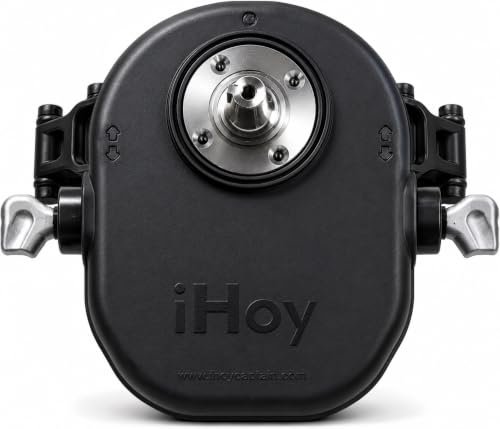
- Phone-based autopilot control
- Fits many boats under 15 metres
- Quick install with manual override
Best For: Sailors wanting simple autopilot control from a phone
Handheld Navigator

- Sailing tools like tack assist and countdown timers
- 18+ hour battery life on 2 AA batteries
- Stores 1,000 waypoints and 100 tracks
Best For: Sailors wanting a compact handheld GPS with sailing features
Safety System
Garmin OnBoard Wireless MOB System
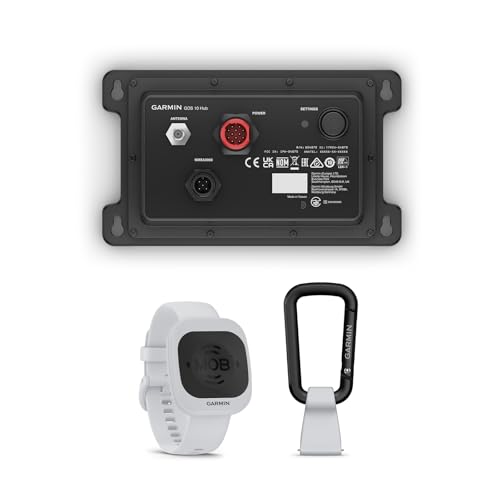
- Wireless wearable man-overboard tags
- Captain tag can trigger engine cutoff
- Pairs with compatible Garmin chartplotters
Best For: Garmin chartplotter owners who want automatic MOB protection
Best with Extra Features
Rugged 3.2" Multi-GNSS GPS with Topo Maps

- 3.2" sunlight-readable screen with physical buttons
- Multi-GNSS support and 6 ft location precision
- IP66 water resistance and up to 36-hour battery life
Best For: Boaters needing a rugged handheld backup for navigation away from the helm
Floating Marine Handheld
GPSMAP 79sc Floating GPS with BlueChart g3
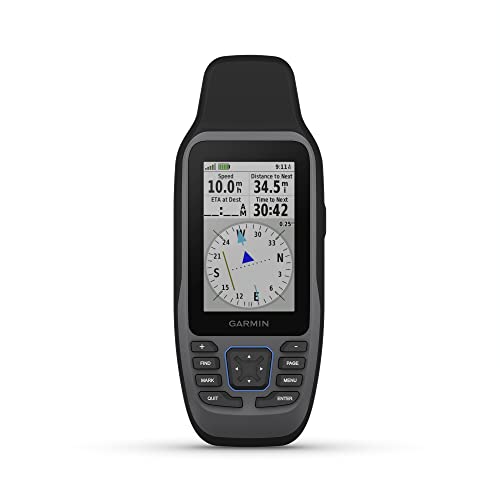
- Preloaded BlueChart g3 coastal charts for marine use
- Floats and is IPX6 water-resistant
- Multi-constellation tracking plus built-in compass
Best For: Sailors wanting a marine handheld with coastal charts and float capability
Compact Backup Navigator
Compact eTrex 22x with TopoActive Maps

- 2.2" sunlight-readable color display
- Preloaded Topo Active maps with routable roads and trails
- GPS and GLONASS support with up to 25-hour battery life
Best For: Shoppers wanting a compact rugged backup GPS with simple controls
Autopilot Steering Core – Raymarine EV-200 Sail Pack
If you want sailboat gps systems support that pairs navigation with hands-off steering control, the Raymarine EV-200 Sailboat Pack is aimed at sailors building an autopilot setup around an existing drive unit. It includes the ACU200 processor, p70 control head, EV-1 sensor, and cabling kit, with SeaTalk connectivity and support for GPS, GLONASS, Galileo, and BeiDou satellite systems.
Best For: Sailboat owners who already have a compatible drive unit and want a complete Evolution autopilot core.
Pros:
- Includes the processor, control head, sensor, and cabling needed for the system core.
- No calibration required, which simplifies initial setup.
- Supports multiple satellite navigation systems, including GPS, GLONASS, Galileo, and BeiDou.
- Panel or dashboard mounting options add installation flexibility.
Cons:
- Drive unit is not included, so additional hardware is required.
- Autopilot-focused system, not a full chartplotter or display package.
- Best value depends on compatibility with your existing boat setup.
This is a strong choice if your priority is reliable autopilot control rather than a full navigation screen. It fits sailors who already have the drive hardware and want to add Raymarine’s Evolution core components.
Compact Chartplotter Pick – Garmin ECHOMAP UHD2 54CV
For buyers comparing sailboat gps systems that also handle charting and sonar, the Garmin ECHOMAP UHD2 54CV is a compact 5-inch chartplotter/fishfinder built for easy use. It offers a bright keyed display, Garmin CHIRP traditional sonar, ClearVü scanning sonar, and Wi-Fi sharing with compatible chartplotters, plus US Coastal maps with Navionics data.
Best For: Sailors who want a small, easy-to-read chartplotter with sonar and wireless sharing.
Pros:
- Bright 5-inch keyed display is convenient for quick operation.
- Includes Garmin CHIRP traditional and ClearVü scanning sonar.
- Wi-Fi connectivity lets compatible chartplotters share information.
- Comes with US Coastal maps and Navionics data support.
Cons:
- Smaller screen size may feel limited for some cockpits.
- Designed around coastal mapping and fishfinding, not autopilot control.
- Best suited to users who want a compact unit rather than a larger display.
This model makes sense if you want a straightforward marine display that covers navigation and sonar in one unit. Its compact size and simple keyed controls suit boats where space and ease of use matter.
Emergency Location Beacon – Marine Rescue GPS nexGen
Among sailboat gps systems, the Marine Rescue GPS nexGen stands out as a compact emergency device rather than a navigation display. It is designed to transmit distress alerts or position advisories using GPS, AIS, and DSC, with a stated position accuracy of 1 meter and worldwide operation subject to regional functionality limits.
Best For: Sailors who want a dedicated emergency GPS beacon for distress signaling and location sharing.
Pros:
- Uses both AIS and DSC to broadcast distress information.
- GPS position accuracy is stated at 1 meter.
- Compact, lightweight design at 4.6 oz with batteries inserted.
- Waterproof and depth-rated to 425 feet with the outer lid closed.
Cons:
- Not a chartplotter or everyday navigation screen.
- Functionality may vary in some European countries.
- Battery life is long-term, but it is still a dedicated safety device, not a full system.
This is a specialized safety tool, not a general-purpose marine GPS. It fits sailors who want an easy-to-carry distress beacon that can alert AIS-equipped vessels and DSC radios within range.
Portable Backup GPS – Garmin GPSMAP 65 Handheld
While it is not built as a marine chartplotter, the Garmin GPSMAP 65 can still appeal to buyers researching sailboat gps systems as a portable backup navigator. It offers expanded GNSS support, multi-band technology, a 2.6-inch sunlight-readable color display, and compatibility with the Garmin Explore website and app for managing tracks, routes, and waypoints.
Best For: Boaters who want a rugged handheld backup GPS for route and waypoint tracking.
Pros:
- Expanded GNSS and multi-band technology improve accuracy in challenging locations.
- Sunlight-readable 2.6-inch color display is easy to view outdoors.
- Includes routable TopoActive mapping and U.S. public land maps.
- Bluetooth and ANT connectivity support Garmin Explore syncing and smartphone use.
Cons:
- Not a marine-specific chartplotter or boat-mounted navigation display.
- Smaller screen limits at-a-glance map viewing.
- Mapping is oriented toward land navigation rather than coastal boating.
For sailors, this works best as a portable backup rather than a primary helm unit. Its accuracy-focused GNSS features and handheld form factor make it useful for tracking and waypoint management when mobility matters.
Autopilot Upgrade – iHoy Captain Marine Autopilot
If you’re comparing sailboat gps systems with more automation, the iHoy Captain brings autopilot control into a phone-based setup. It is aimed at owners who want easier handling, automatic calibration, and quick manual override without a complicated install.
Best For: Sailboat owners under 15 metres who want a simple autopilot they can manage from a phone.
Pros:
- Works with most boats under 15 metres using a 3/4 inch helm shaft and 12V DC power.
- Self-installation is designed to take only minutes, with no installation service required.
- Bluetooth 5 enables remote control from up to 30 meters on the boat.
- Includes weather information access and multi-user app authorization.
Cons:
- It is an autopilot system, not a dedicated chartplotter or handheld GPS.
- Compatibility depends on the helm shaft size and boat length limits listed.
- Weather data access relies on third-party approval.
For sailors who want more hands-on steering assistance than a basic GPS can offer, this is a practical upgrade. The instant manual override is useful for safety, and the CE, FCC, and RoHS compliance adds peace of mind.
Handheld Navigator – Garmin GPS 73 Handheld GPS
For buyers looking at sailboat gps systems, the Garmin GPS 73 is a straightforward handheld navigator with sailing-focused tools. It adds virtual starting line, countdown timers, speed history, and tack assist while keeping operation simple with dedicated backlit buttons.
Best For: Sailors who want a compact handheld GPS with useful race and navigation features.
Pros:
- Includes sailing tools like virtual starting line, countdown timers, speed history, and tack assist.
- Runs for 18+ hours on 2 AA batteries.
- Stores up to 1,000 waypoints and 100 tracks.
- Offers marine alarms, MOB support, route planning, and navigation.
Cons:
- The 2.6-inch display is compact compared with larger chartplotters.
- It uses button controls rather than a touchscreen.
- Best suited to basic handheld navigation, not a full onboard display system.
This is a strong pick if you want an easy-to-carry backup or primary handheld for sailing. The long battery life and dedicated sailing features make it especially useful when you need reliable direction without extra complexity.
Safety System – Garmin OnBoard Wireless MOB System
Among sailboat gps systems, the Garmin OnBoard system focuses on safety rather than navigation. It uses wireless wearable MOB tags, automatic waypoint recording, and chartplotter integration to help the crew respond quickly if someone goes overboard.
Best For: Sailboats already using compatible Garmin chartplotters that want wireless man-overboard protection.
Pros:
- Wireless wearable MOB tags can be worn on a wrist band, carabiner, or key ring float.
- Captain tag detection can trigger engine cutoff, MOB on the chartplotter, and audio alarms.
- Passenger tag detection triggers MOB alerts on MFDs plus audible alarms.
- Includes a GOS 10 hub with an external alarm and easy pairing with compatible Garmin chartplotters.
Cons:
- Requires compatible Garmin chartplotters to get the full integration benefits.
- It is a MOB safety system, not a navigation GPS by itself.
- Setup includes multiple components and installation hardware.
If your priority is crew protection, this system adds an important layer of automatic response on the water. The tag-based design and engine cutoff capability make it a smart complement to a Garmin chartplotter setup.
Best with Extra Features – Rugged 3.2" Multi-GNSS GPS with Topo Maps
If you’re comparing sailboat gps systems but want a compact backup you can also take ashore, this handheld GPS is built around readability, durability, and long battery life. It offers a sunlight-readable 3.2″ screen, multi-GNSS support, and preloaded USA Topo maps, making it a practical option for navigating docks, trailheads, and remote launch points.
Best For: Boaters who want a rugged handheld backup with strong battery life and clear map viewing outside the cockpit.
Pros:
- Multi-GNSS support helps improve positional accuracy, with location precision within 6 ft.
- 3.2″ sunlight-readable display and physical buttons are useful in bright or wet conditions.
- IP66 water-resistant design and up to 36 hours of battery life support long days out.
- Preloaded USA Topo maps plus 32 GB of internal memory for additional map downloads.
Cons:
- Not a dedicated marine chartplotter and does not include coastal chart mapping.
- Smaller screen than full-size marine displays, so map detail is more limited.
Overall, this is a sturdy handheld GPS for users who need a dependable portable navigator rather than a fixed helm system. It makes the most sense as a secondary unit for route confirmation, backup positioning, and off-boat navigation.
Floating Marine Handheld – GPSMAP 79sc Floating GPS with BlueChart g3
For sailboat gps systems that need real marine features in a handheld form, the Garmin GPSMAP 79sc stands out with preloaded BlueChart g3 coastal charts, a floating design, and a rugged water-resistant build. It is made for boat use, with support for multiple satellite constellations and a 3-axis tilt-compensated compass that keeps heading available even when you’re standing still.
Best For: Sailors who want a floating handheld marine GPS with coastal chart coverage and dependable tracking.
Pros:
- Preloaded BlueChart g3 coastal charts provide marine-focused mapping out of the box.
- Designed to float and rated IPX6 water-resistant for boat environments.
- Supports GPS, GLONASS, Beidou, Galileo, QZSS, and SBAS for broader tracking reliability.
- Includes a built-in 3-axis tilt-compensated compass and barometric altimeter.
Cons:
- Battery life is up to 20 hours in GPS mode, which is shorter than some handheld rivals.
- It is a handheld unit, so it won’t replace a large fixed chartplotter display.
As a marine handheld, this model is the most directly relevant fit in the group for coastal sailing use. It combines chart data, floating insurance, and strong satellite support in a format that is easy to keep onboard.
Compact Backup Navigator – Compact eTrex 22x with TopoActive Maps
If your sailboat gps systems shopping is focused on a simple, low-profile backup unit, the Garmin eTrex 22x offers a compact, rugged design with a sunlight-readable color display. It is preloaded with Topo Active maps, supports GPS and GLONASS, and keeps things straightforward for route checks, shore runs, and general backup navigation.
Best For: Buyers who want a small, rugged handheld GPS for backup navigation and map-based route planning.
Pros:
- Compact 2.2″ sunlight-readable display improves visibility in bright conditions.
- Preloaded Topo Active maps include routable roads and trails.
- GPS and GLONASS support helps in more challenging environments than GPS alone.
- Up to 25 hours of battery life on 2 AA batteries supports longer outings.
Cons:
- No touchscreen, so all interaction is button-based.
- It lacks marine chart coverage and floating design.
This is a practical, no-frills handheld that prioritizes portability and reliability over marine-specific extras. For sailors who want a compact backup GPS rather than a full marine chartplotter, it delivers the essentials well.
How We Picked These Sailboat Gps Systems
We selected products based on practical sailing value: positioning accuracy, marine-ready durability, chart compatibility, screen usability in daylight, and features that matter offshore or near shore. We also looked for systems that solve different buyer needs, including route planning, backup navigation, helm control, and man-overboard safety.
Quick Comparison
Not every sailor needs the same setup. Chartplotters offer the clearest all-in-one cockpit experience, handheld GPS units are ideal as backups or small-boat primary navigators, autopilots reduce fatigue on longer passages, and wireless safety systems add an important layer of protection for crew overboard scenarios.
Key Buying Factors for Sailboat Gps Systems
Chart Coverage and Map Support
Check whether the unit supports coastal charts, detailed marine maps, or expandable cartography. For most sailors, map quality matters as much as raw GPS performance because accurate shoreline, buoy, and hazard data improves route confidence.
Display Size and Readability
A bright, sunlight-readable screen is important in the cockpit. Larger screens are easier to interpret at a glance, while smaller handhelds are better for portability and redundancy. Touchscreens can be convenient, but button-operated models may be easier to use when wet.
Mounting, Portability, and Power
Think about where the unit will live on the boat. Fixed-mount systems work best for helm use, while portable handhelds are useful as backups or for dinghies and secondary craft. Battery life and charging options also matter if you want flexibility away from the helm.
Safety and Integration Features
Some Sailboat Gps Systems go beyond navigation with autopilot control, wireless man-overboard alerts, or engine cutoff functions. These features can be especially valuable for short-handed crews, long offshore runs, or sailors who want more automation and emergency readiness.
Who Should Buy Which Sailboat Gps Systems?
If you want a full navigation station, choose a chartplotter with marine maps and a large display. If you sail smaller boats or need a backup, a rugged handheld GPS is often the smarter choice. If reducing helm workload is the priority, an autopilot system is worth serious consideration. And if safety is your main concern, a wireless overboard detection system adds meaningful protection for solo sailors and families alike.
The best choice depends on how and where you sail, but the right setup should be easy to read, dependable in wet conditions, and matched to your onboard workflow.