Stable temperature and clean, tested water are the foundation of a healthy freshwater aquarium. The right controller, heater, test kit, or treatment can make routine care more predictable and help you respond quickly to problems.
These 10 picks cover the most useful freshwater maintenance needs, from dual-stage temperature management to algae control, ammonia reduction, water clarification, and beneficial bacteria support.
Best 10 Aquarium Controllers for Freshwater Tanks Picks for 2026
Dual-Stage Temperature Control

- Controls heating and cooling devices
- Dual temperature display
- High, low, and sensor alarms
Best For: Freshwater tanks needing automated temperature control
Algae Growth Control
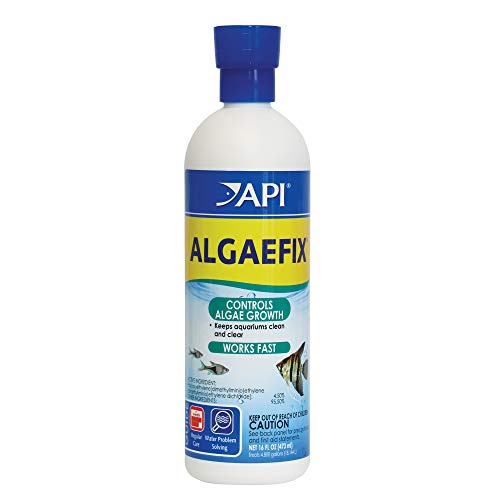
- Targets green-water algae
- Helps control string and hair algae
- 16-ounce liquid bottle
Best For: Freshwater tanks with persistent algae
Adjustable Tank Heating
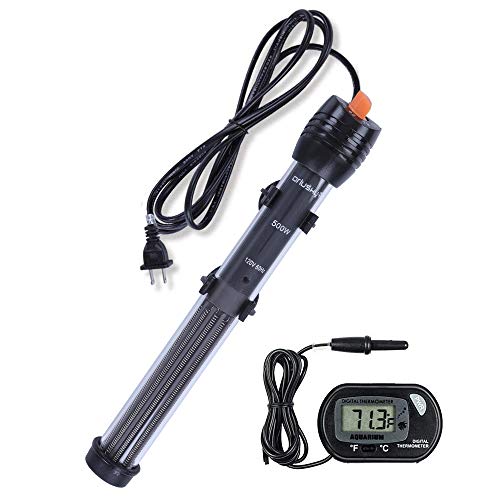
- Designed for 40- to 75-gallon tanks
- Adjustable from 68 to 89°F
- Includes a free thermometer
Best For: Freshwater tanks needing dedicated heating
Ammonia Spike Protection
Marineland White Diamond Zeolite

- Removes toxic ammonia
- Made for freshwater aquariums and ponds
- 50 ounces of zeolite media
Best For: New freshwater setups needing ammonia control
Temperature Control Pick

- Digital display shows current and set temperature
- Automatic shutoff when the heater is out of water
- Rated for 40-75 gallon freshwater tanks
Best For: Freshwater tanks needing adjustable heater control
Water-Quality Monitoring Pick
API Freshwater Master Test Kit

- Tests five key freshwater water parameters
- Includes solutions, color card, and capped tubes
- Designed for weekly checks and troubleshooting
Best For: Manual freshwater water-quality monitoring
Algae-Control Pick

- Targets green water, hair, and string algae
- Repeatable treatment schedule for ongoing control
- Not suitable for freshwater shrimp, snails, or clams
Best For: Freshwater tanks with algae issues and compatible livestock
Clear-Water Support
API Accu-Clear Freshwater Clarifier

- Clears cloudy freshwater aquarium water
- Clusters particles for easier filter removal
- Use weekly or when cloudiness appears
Best For: Freshwater tanks with cloudy water
Low-Maintenance Care
Microbe-Lift Special Blend Aquarium Treatment

- Breaks down waste, food, and sludge
- Helps reduce odors and maintenance
- Supports clearer water and cleaner tanks
Best For: Weekly freshwater aquarium maintenance
Beneficial Bacteria Support
API Stress Zyme Bacterial Cleaner

- Consumes sludge in gravel and decorations
- Adds beneficial aquarium bacteria
- Use weekly for freshwater or saltwater tanks
Best For: Routine sludge and aquarium cleanliness support
Dual-Stage Temperature Control – Inkbird ITC-308S
For aquarium controllers for freshwater tanks, the Inkbird ITC-308S is a focused temperature-management option. It can control heating and cooling equipment, display measured and set temperatures simultaneously, and support freshwater, saltwater, coral, shrimp, and tropical-fish setups.
Best For: Freshwater aquariums that need automated heating and cooling control.
Pros:
- Controls a heating and a cooling device at the same time.
- Shows current and target temperatures on dual LCD displays.
- Includes high- and low-temperature alarms plus a sensor-failure alarm.
- Supports Celsius or Fahrenheit display and loads up to 1200 watts at 110 volts.
Cons:
- It is a temperature controller, not a complete aquarium monitoring system.
- Cooling equipment is not included.
The ITC-308S is a practical choice when stable temperature is the primary control goal. Its alarm functions and dual-stage operation add useful oversight for freshwater systems using separate heating and cooling equipment.
Algae Growth Control – API ALGAEFIX Algae Control
For aquarium controllers for freshwater tanks, API ALGAEFIX offers chemical control rather than electronic monitoring. This 16-ounce liquid treatment is designed to control green-water, string, and hair algae while helping keep aquarium glass, ornaments, and plants clean when used as directed.
Best For: Freshwater aquariums dealing with recurring algae growth.
Pros:
- Targets green-water, string, and hair algae.
- Designed to help keep glass, ornaments, and plants clean.
- Can be dosed every three days until algae is controlled, then weekly.
- Notes state it will not harm fish and plants when used as directed.
Cons:
- It is a liquid algae treatment, not an electronic aquarium controller.
- Results depend on following the stated dosing directions.
ALGAEFIX may suit freshwater keepers who use “controllers” broadly to include routine water-care tools. It addresses algae directly, but it does not monitor temperature or provide automated equipment control.
Adjustable Tank Heating – Orlushy 500W Aquarium Heater
For aquarium controllers for freshwater tanks, the Orlushy 500W heater combines adjustable temperature control with automatic shutoff. It is rated for 40- to 75-gallon aquariums and includes a free thermometer for checking the tank environment.
Best For: 40- to 75-gallon freshwater aquariums needing a dedicated heater.
Pros:
- 500-watt capacity is specified for 40- to 75-gallon aquariums.
- Adjustable dial covers 68 to 89°F.
- Automatic shutoff activates when the set temperature is reached.
- Thickened 2mm quartz glass is suitable for fresh and saltwater use.
Cons:
- It controls heating only and does not provide cooling control.
- The dial is specified within a one-degree temperature difference, rather than offering broader monitoring functions.
- The 500W version may not suit tanks outside the stated size range.
The Orlushy is best viewed as a straightforward heater with adjustable control, not a multi-device aquarium controller. Its included thermometer and automatic shutoff make it a practical option for appropriately sized freshwater tanks.
Ammonia Spike Protection – Marineland White Diamond Zeolite
For aquarium controllers for freshwater tanks, Marineland White Diamond Zeolite is a filtration-media option for chemical water control. The 50-ounce clinoptilolite zeolite media is intended for freshwater aquariums and ponds, where it removes toxic ammonia and helps manage spikes in new systems.
Best For: New freshwater aquariums and ponds needing ammonia control.
Pros:
- Removes toxic ammonia from freshwater aquariums and ponds.
- Designed to help control ammonia spikes in new aquariums.
- Provides 50 ounces of zeolite media.
- Uses U.S.-sourced clinoptilolite zeolite, according to the notes.
Cons:
- It is filter media, not an electronic controller or live monitoring device.
- The notes specify freshwater use, so it is not presented as a saltwater option.
- It does not control temperature or other aquarium equipment.
White Diamond Zeolite fits freshwater keepers looking for passive chemical support rather than automated controls. It can be especially relevant during new-tank ammonia spikes, but it should be considered part of filtration rather than a standalone controller.
Temperature Control Pick – HiTauing 300W Aquarium Heater
Although it is not a full monitoring hub, this HiTauing heater can be a useful part of a setup built around aquarium controllers for freshwater tanks. Its digital controller shows the current and selected temperature, while the heater’s sensor automatically stops heating when the unit is out of the water.
Best For: Freshwater aquariums from 40 to 75 gallons that need adjustable, digitally displayed temperature control.
Pros:
- 300W heater is rated for 40-75 gallon tanks.
- Displays current and set temperatures with a 63-94°F range.
- Water-level safety system stops heating when the heater head is out of water.
- Protective shell, suction cups, and removable housing support installation and maintenance.
Cons:
- It controls heating rather than serving as a multi-parameter aquarium controller.
- The supplied model is a 300W version, so tank size and wattage should be matched carefully.
This is a focused temperature-control device rather than an all-in-one controller. It makes the most sense for freshwater keepers who want a readable heater display and an added out-of-water safety feature.
Water-Quality Monitoring Pick – API Freshwater Master Test Kit
API Freshwater Master Test Kit 800-Test Freshwater Aquarium Water Kit, White, Single, Multi-Colored
Check Price On AmazonFor aquarists comparing aquarium controllers for freshwater tanks, this API kit provides hands-on monitoring of the core water parameters a controller setup should track. It tests pH, high-range pH, ammonia, nitrite, and nitrate and is designed for weekly freshwater testing.
Best For: Freshwater aquarium owners who want a broad liquid-test kit for routine water-quality checks and troubleshooting.
Pros:
- Tests five important freshwater parameters: pH, high-range pH, ammonia, nitrite, and nitrate.
- Includes seven testing-solution bottles, a color card, and four capped tubes.
- Provides up to 800 tests according to the product name.
- Useful for weekly monitoring and investigating water or fish problems.
Cons:
- Designed for freshwater aquariums only.
- Requires manual testing and color-card comparison rather than automated readings.
This is a practical baseline monitoring tool, especially for detecting invisible water-quality problems. It does not automate tank equipment, but it can supply the measurements needed to guide maintenance decisions.
Algae-Control Pick – MICROBE-LIFT Algaway 5.4
Algaway 5.4 is a treatment product rather than an electronic controller, but it can complement aquarium controllers for freshwater tanks by addressing algae after monitoring reveals a recurring problem. The liquid is intended for green water, hair algae, and string algae, with repeatable application instructions.
Best For: Freshwater aquarium owners dealing with algae growth who can follow treatment directions and account for sensitive invertebrates.
Pros:
- Targets green water, hair algae, and string algae.
- Can be used in freshwater and saltwater aquariums, ponds, and fountains without outflow.
- Instructions recommend cleaning excess algae first and repeating treatment every three days until controlled.
- Product notes state it is safe for fish and ornamental plants.
Cons:
- Not safe for freshwater snails, shrimp, clams, or other crustaceans.
- Requires repeated applications for ongoing control.
- It is a chemical algae treatment, not an automated monitoring or control device.
This can be a useful targeted option when algae is the specific maintenance issue. Check the livestock list carefully before use, particularly if the freshwater tank contains shrimp, snails, or clams.
Clear-Water Support – API Accu-Clear Freshwater Clarifier
For anyone comparing aquarium controllers for freshwater tanks, clear water is an important part of routine monitoring. API ACCU-CLEAR is a freshwater-only liquid clarifier that quickly clumps floating particles so an aquarium filter can remove them more efficiently.
Best For: Freshwater aquariums with cloudy water or visible suspended particles.
Pros:
- Designed specifically for clearing cloudy freshwater aquarium water.
- Clumps floating particles into larger clusters for easier filter removal.
- Works quickly and can help maximize filter efficiency.
- Available in an 8-fluid-ounce bottle for weekly or as-needed use.
Cons:
- It is intended for freshwater aquariums only.
- It clarifies suspended particles but is not presented as a full water-testing or control system.
Choose ACCU-CLEAR when cloudiness is the immediate issue and you want a straightforward treatment that works with your existing aquarium filter. It is less suitable if you need broader biological maintenance or monitoring features.
Low-Maintenance Care – Microbe-Lift Special Blend Aquarium Treatment
When evaluating aquarium controllers for freshwater tanks, routine water care can be just as important as observation. Microbe-Lift Special Blend is a weekly treatment for freshwater and saltwater aquariums that helps break down organic waste, reduce odors, clear water, and reduce maintenance.
Best For: Fishkeepers seeking broad weekly biological support for cleaner-smelling, lower-maintenance freshwater tanks.
Pros:
- Breaks down organic waste, uneaten food, and sludge.
- Supports cleaner water and reduced ammonia and nitrites.
- Helps reduce odors and aquarium maintenance.
- Suitable for freshwater tanks, saltwater aquariums, fish, invertebrates, live corals, and plants when used as directed.
Cons:
- The bottle contains 4 fluid ounces, less than some larger treatment formats.
- It requires regular dosing according to the recommended weekly schedule.
- It should be used after conditioning tap water when starting a new aquarium.
Special Blend is a versatile choice if your priority is ongoing biological maintenance rather than a single-purpose clarifier. Its weekly dosing routine may appeal to aquarists who want support with waste, odor, and water clarity in one treatment.
Beneficial Bacteria Support – API Stress Zyme Bacterial Cleaner
API STRESS ZYME Bacterial cleaner, Freshwater and Saltwater Aquarium Water Cleaning Solution, 4 oz
Check Price On AmazonFor freshwater keepers researching aquarium controllers for freshwater tanks, keeping gravel and decorations cleaner is part of dependable routine care. API STRESS ZYME adds beneficial bacteria and consumes sludge to help maintain a cleaner aquarium with less maintenance.
Best For: Freshwater aquariums needing weekly support for sludge, gravel, and decoration cleanliness.
Pros:
- Consumes sludge that can collect in gravel and on decorations.
- Adds beneficial bacteria to support a healthy aquarium.
- Designed for both freshwater and saltwater aquariums.
- Simple weekly-use formula in a 4-ounce bottle.
Cons:
- It is a bacterial cleaner, not an electronic aquarium controller or testing device.
- The 4-ounce bottle may require replenishment with regular weekly use.
STRESS ZYME makes sense for aquarists who want a simple biological cleaner to complement regular tank maintenance. Consider it when sludge control and beneficial bacteria are higher priorities than fast treatment of cloudy water.
How We Picked the Best Aquarium Controllers for Freshwater Tanks
We selected products that address the main control points in a freshwater aquarium: temperature, water chemistry, algae, suspended debris, ammonia, and biological stability. The list includes dedicated temperature controllers and heaters alongside testing and treatment products because effective aquarium control depends on monitoring and correcting conditions—not simply switching equipment on and off.
We also considered adjustability, tank compatibility, stated capacity, ease of use, maintenance demands, and whether a product supports freshwater-specific routines. Always follow the manufacturer’s dosage, wattage, and setup instructions, and verify water parameters before adding treatments.
Quick Comparison
| Need | Best product type | What to look for |
|---|---|---|
| Temperature stability | Dual-stage controller and heater | Accurate sensing, adjustable setpoints, and heating or cooling control |
| Temperature backup | Adjustable submersible heater | Correct wattage, protective shutoff, and a visible thermometer |
| Water testing | Freshwater master test kit | Tests for ammonia, nitrite, nitrate, pH, and other key parameters |
| Algae management | Algaecide or algae-control treatment | Clear dosing directions and compatibility with fish, plants, and invertebrates |
| Cloudy water | Water clarifier or bacterial treatment | Use case, dosing frequency, and filtration requirements |
| Ammonia support | Zeolite media | Filter compatibility and a plan for replacement or regeneration |
Key Buying Factors for Aquarium Controllers for Freshwater Tanks
Match the Control Method to the Problem
A temperature controller is useful when you need tighter regulation or an additional safety layer around a heater. It does not replace water testing or filtration. Likewise, an algae remover cannot correct excessive light, overfeeding, or poor nutrient control. Choose a product that addresses the actual cause.
Check Tank Size and Equipment Compatibility
Heater wattage must suit the aquarium volume and room temperature, while a controller must be compatible with the heater’s electrical load. For chemical media and treatments, confirm the recommended tank size and whether the product is appropriate for planted tanks, shrimp, snails, or other sensitive inhabitants.
Prioritize Measurement and Safe Dosing
A test kit is one of the most valuable tools in this category because it helps prevent guesswork. Test before and after major changes, introduce treatments conservatively, and never combine products unless their instructions specifically allow it. Remove or adjust chemical media when directed by a treatment label.
Consider Maintenance and Fail-Safes
Look for readable controls, reliable probes, automatic shutoff features, and simple cleaning requirements. Keep a separate thermometer as a cross-check, inspect heaters regularly, and use a power setup that can handle the total load safely.
Who Should Buy Which Aquarium Controllers for Freshwater Tanks?
- New aquarium owners: Start with a freshwater test kit, an appropriately sized adjustable heater, and a dependable thermometer. These provide the foundation for informed maintenance.
- Owners with temperature swings: Choose a dual-stage aquarium controller for freshwater tanks when stable heating—or coordinated heating and cooling—is a priority.
- Cloudy-water problems: Consider a clarifier or beneficial-bacteria treatment only after checking filtration, cycling status, feeding, and water parameters.
- Recurring algae: An algae-control product may help, but reduce excess light and nutrients first. Check its livestock and plant restrictions carefully.
- Ammonia concerns: Zeolite can provide short-term support in suitable filters, but regular testing, water changes, and a properly established biological filter remain essential.