The right battery can make the difference between a full day on the water and an early return to the dock. These marine batteries for trolling motors include lithium and AGM options sized for different boats, motor systems, and budgets.
We’ve focused on practical factors such as usable capacity, battery chemistry, voltage compatibility, weight, cycle life, and installation requirements so you can choose with confidence.
Best 10 Marine Batteries for Trolling Motors Picks for 2026
Best Smart Lithium Pick
LiTime 12V 100Ah Bluetooth LiFePO4

- Bluetooth status monitoring from a phone
- Lightweight 22.2-lb Group 31 design
- Up to 15,000 rated cycles at 60% depth of discharge
Best For: Connected trolling-motor setups using 30–70 lb motors
Best AGM Pair for 24V Use
VMAX 120Ah Group 31 AGM Batteries
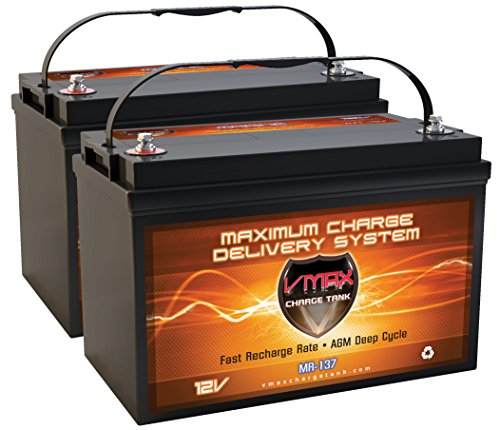
- Two 12V batteries for 24V trolling systems
- Maintenance-free sealed AGM construction
- Designed for deep-cycle marine use
Best For: 24V boat setups using compatible Minn Kota trolling motors
Best High-Capacity Bluetooth Battery

- Bluetooth 5.0 health and power monitoring
- Lightweight Group 31-compatible design
- 150A BMS with low-temperature protection
Best For: 12V trolling motors needing extra capacity in a portable package
Best Compact Budget Battery
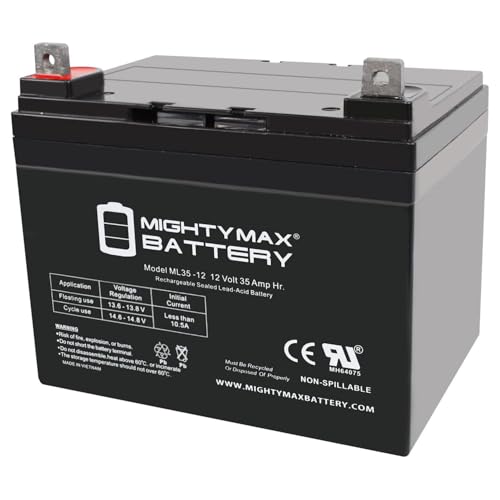
- Compact 12V sealed lead-acid design
- Maintenance-free and mountable in any position
- Includes a one-year manufacturer warranty
Best For: Small 12V trolling-motor setups with limited space
Best Group 31 Upgrade
SUPER EMPOWER 12.8V 100Ah LiFePO4
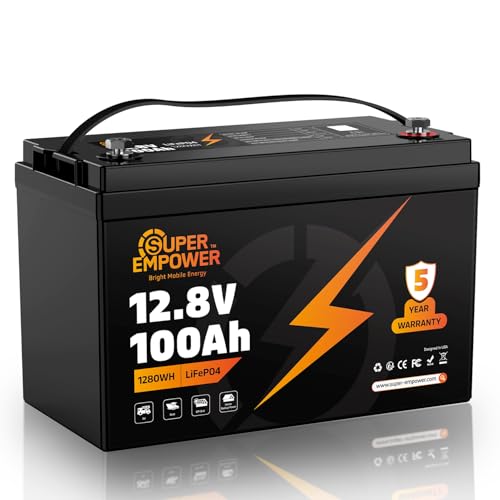
- 1,280Wh capacity with a 100A smart BMS
- Group 31 drop-in size with M8 terminals
- Supports 4P4S expansion; five-year warranty
Best For: Larger trolling-motor and marine deep-cycle setups
Best Lightweight Option

- Only 11.57 pounds with a compact footprint
- 640Wh capacity for smaller trolling-motor setups
- Specified for motors up to 45 pounds of thrust
Best For: Kayaks, small boats, and portable marine electronics
Best for Larger Trolling Motors
Redodo 12V 100Ah Marine LiFePO4

- 1,280Wh capacity with a 100A BMS
- Designed for 70- to 100-pound-thrust motors
- Group 31 replacement with 4P4S expansion support
Best For: High-thrust trolling motors and expandable marine battery banks
Cold-Weather Marine Pick
Power Queen 12V 100Ah Trolling Motor Battery

- Low-temperature charge and discharge protection
- TVS surge protection for 12V-36V motors
- Lightweight Group 31 design with expansion support
Best For: Cold-weather fishing and expandable marine battery banks
Smart Monitoring Choice
12V 100Ah Trolling Motor LiFePO4 Battery

- Bluetooth 5.0 monitoring for key battery data
- 120A BMS with intelligent cold protection
- Group 24 format and 1280Wh capacity
Best For: Anglers wanting app-based monitoring and versatile deep-cycle power
Best Smart Lithium Pick – LiTime 12V 100Ah Bluetooth LiFePO4
For anglers comparing marine batteries for trolling motors, the LiTime 12V 100Ah LiFePO4 battery combines low weight, app-based monitoring, and extensive protection features. Its Group 31 form factor is designed for 30–70 lb trolling motors and provides 1280Wh of stated energy capacity.
Best For: Boat owners wanting a lightweight, connected battery for compatible trolling motors and other energy-storage applications.
Pros:
- Bluetooth monitoring lets you check status and run system checks from a phone.
- Low-temperature charging and discharging protection helps safeguard the battery in cold conditions.
- At about 22.2 lb, it is substantially lighter than comparable lead-acid options.
- LiFePO4 cells are rated for up to 4,000 cycles at 100% depth of discharge and up to 15,000 cycles at 60%.
Cons:
- It is intended for energy storage, not engine starting, golf carts, or jacks.
- Bluetooth activation requires a lithium-activation or MPPT charger during initial use or after switching off.
Choose this LiTime model when weight savings, long cycle life, and phone-based monitoring matter more than a simple plug-and-play lead-acid setup. The five-year warranty and expandable configuration add flexibility for larger energy-storage projects.
Best AGM Pair for 24V Use – VMAX 120Ah Group 31 AGM Batteries
This two-battery VMAX package is a practical option for shoppers seeking marine batteries for trolling motors in a 24V configuration. Each sealed 12V, 120Ah Group 31 AGM battery is designed for deep-cycle use and the pair is specifically listed for a Minn Kota Riptide RT80 saltwater transom-mount setup.
Best For: 24V trolling-motor systems that need a matched pair of maintenance-free AGM batteries.
Pros:
- Includes two 12V, 120Ah batteries for building a 24V system.
- Sealed AGM construction requires no electrolyte checks or water additions.
- Can be mounted in any position and resists shocks and vibration.
- Group 31 dimensions and marine terminals suit compatible boat installations.
Cons:
- The two-battery package weighs 75 lb according to the supplied details.
- AGM batteries are considerably heavier than the lithium alternatives in this roundup.
- The included warranty is one year, shorter than the five-year coverage listed for the lithium models.
This VMAX set makes sense when you prefer sealed AGM technology and need two matching batteries for a 24V trolling motor. Confirm tray space and lifting access before buying, since the pair is heavy.
Best High-Capacity Bluetooth Battery – Timeusb 12V 140Ah LiFePO4
The Timeusb 12V 140Ah battery stands out among marine batteries for trolling motors with extra capacity in a Group 31-compatible package. Bluetooth 5.0 monitoring, low-temperature protection, automotive-grade LiFePO4 cells, and a 150A BMS make it a feature-rich choice for boat and RV applications.
Best For: Anglers who want more stated capacity than a standard Group 31 battery while keeping installation weight manageable.
Pros:
- Provides 140Ah capacity and is described as delivering 40% more power than a standard Group 31 battery.
- Bluetooth 5.0 displays voltage, current, capacity, temperature, and battery health.
- Low-temperature protection disconnects charging below 32°F and discharging below -4°F.
- Weighs about 28.1 lb and fits existing Group 31 battery trays.
Cons:
- The supplied details list the capacity as 140Ah in the product description but 150 amp-hours in the specifications, so verify the listing before purchase.
- Only one battery is included, so a 24V or 36V system requires additional compatible batteries.
- Bluetooth monitoring depends on using the associated phone connection and app.
For a single-battery 12V setup, this Timeusb model offers a strong blend of capacity, monitoring, and portability. Its Group 31 compatibility can simplify replacement, but double-check the exact capacity and your motor’s voltage requirements.
Best Compact Budget Battery – Mighty Max 12V 35Ah SLA
Mighty Max Battery 12v 35ah light trolling motor battery sevylor minn kota golf cart
Check Price On AmazonFor smaller boats and compact trolling-motor setups, the Mighty Max ML35-12 offers a straightforward 12V, 35Ah sealed lead-acid design. It is rechargeable, maintenance-free, and small enough for installations where full-size Group 31 marine batteries are excessive.
Best For: Compact 12V trolling-motor applications that prioritize a small sealed battery and a lower-complexity setup.
Pros:
- Compact dimensions measure 7.76 × 5.12 × 7.01 inches.
- Sealed AGM/SLA construction is spill-proof, maintenance-free, and mountable in any position.
- Designed to resist shocks and vibration while supporting deep-discharge recovery.
- Includes a one-year manufacturer warranty.
Cons:
- Its 35Ah capacity is much lower than the 100Ah-plus batteries in this roundup.
- The listing includes the battery and screws only; no wire harness or mounting accessories are supplied.
- It is intended for 12V use and is not presented as a high-capacity option for larger trolling motors.
This Mighty Max battery is best viewed as a compact, basic power source rather than a long-range replacement for a large marine battery bank. Check your motor’s voltage, expected runtime, and mounting hardware needs before ordering.
Best Group 31 Upgrade – SUPER EMPOWER 12.8V 100Ah LiFePO4
For shoppers comparing marine batteries for trolling motors, this SUPER EMPOWER model is a practical Group 31 lithium upgrade with 1,280Wh of capacity, a 100A BMS, and a relatively light 20.94-pound build. It is designed for deep-cycle energy storage rather than engine starting.
Best For: Boat owners who want a drop-in Group 31 battery for trolling motors, marine electronics, RVs, or solar storage.
Pros:
- Group 31 dimensions and M8 terminals support straightforward replacement installation.
- Built-in 100A smart BMS helps protect against overcharge, over-discharge, overcurrent, short circuit, and temperature issues.
- Supports up to 4P4S expansion and includes a five-year manufacturer warranty.
Cons:
- Not suitable for engine starting or cranking.
- Requires a compatible lithium charger; charging is disabled below 32°F.
Its combination of Group 31 compatibility, useful capacity, and expansion support makes it a well-rounded choice for a larger trolling-motor power bank, provided your charging system is configured for LiFePO4.
Best Lightweight Option – Power Queen 12V 50Ah LiFePO4
If portability matters when comparing marine batteries for trolling motors, the Power Queen 50Ah LiFePO4 battery stands out at just 11.57 pounds. Its compact design provides 640Wh of energy and is specified for trolling motors up to 45 pounds of thrust.
Best For: Smaller boats, kayaks, fish-finder setups, and trolling motors up to 45 pounds of thrust where low weight and easy handling matter.
Pros:
- Ultra-light 11.57-pound design is easier to carry and install than a comparable lead-acid battery.
- LiFePO4 chemistry offers 100% deep-discharge use and 4,000-plus deep cycles according to the supplied specifications.
- Built-in BMS protection and support for 4P4S expansion add flexibility for future power needs.
Cons:
- Its 50Ah capacity is lower than the 100Ah alternatives in this roundup.
- Specified for trolling motors up to 45 pounds of thrust.
This is the most convenient pick for weight-sensitive setups. Choose it when compact storage and easier transport are more important than maximum runtime or powering a higher-thrust motor.
Best for Larger Trolling Motors – Redodo 12V 100Ah Marine LiFePO4
The Redodo 100Ah battery is a strong contender among marine batteries for trolling motors, offering 1,280Wh of capacity in a Group 31-style package. It is intended for 70- to 100-pound-thrust trolling motors and weighs 22.1 pounds, while its white housing is designed to help reduce heat buildup in sunlight.
Best For: Boat owners running higher-thrust trolling motors who want a 100Ah battery that can support 12V, 24V, or 36V bank configurations.
Pros:
- 100Ah capacity and a 100A BMS provide substantial deep-cycle power for marine use.
- Group 31 sizing is designed to replace lead-acid batteries without tray modification.
- Supports up to 4P4S expansion, and the manufacturer specifies a five-year warranty.
- Can recharge in about five hours with a 20A charger, according to the supplied specifications.
Cons:
- Charger is not included and must be purchased separately.
- Not intended for engine starting, golf carts, or other high-power devices.
With its 100Ah capacity, stated compatibility with 70- to 100-pound-thrust motors, and expandable configuration options, the Redodo is a sensible choice for demanding trolling-motor banks rather than lightweight portable rigs.
Lightweight Group 24 Upgrade – 12V 100Ah TM LiFePO4 Battery
For shoppers comparing marine batteries for trolling motors, this CHITOLI 12V 100Ah LiFePO4 model is a lightweight Group 24 replacement for lead-acid, AGM, or SLA batteries. Its 100A BMS supports deep-cycle energy storage, while the compact 22.6-pound design can reduce boat weight.
Best For: Anglers and boat owners seeking a lightweight Group 24 deep-cycle battery for trolling motors, marine use, RVs, or solar storage.
Pros:
- 22.57 pounds and 35% smaller than ordinary lead-acid batteries, according to the supplied specifications.
- Grade A LiFePO4 cells are rated for 4,000+ cycles at 100% depth of discharge and up to 15,000 cycles at 60%.
- Built-in 100A smart BMS helps protect against overcharging, over-discharging, over-current, and short circuits.
- Group 24 sizing, M8 terminals, and a stated five-year warranty simplify replacement planning.
Cons:
- Designed for energy storage rather than engine starting.
- The recommended 14.6V, 20A charging setup takes about five hours for a full charge.
This is a practical lead-acid upgrade when low weight, long cycle life, and Group 24 compatibility matter. Confirm your trolling motor and charger requirements before installation.
Cold-Weather Marine Pick – Power Queen 12V 100Ah Trolling Motor Battery
Among marine batteries for trolling motors, the Power Queen 12V 100Ah LiFePO4 battery stands out for cold-weather controls and marine-oriented protection. Its low-temperature protection, TVS surge protection, and Group 31 format suit a range of 12V to 36V trolling motor systems.
Best For: Boat owners who fish in colder conditions and want a lightweight Group 31 battery for compatible trolling motors, marine electronics, or expandable battery banks.
Pros:
- Stops charging below 32°F and discharging below -4°F to help protect the battery in cold conditions.
- Built-in TVS surge protection is designed for trolling motors up to 120 pounds of thrust and 12V-36V systems.
- Triple-protected BMS is described as resistant to dust, water, and salt spray, with safeguards for overcharge, overheating, and short circuits.
- At about 22 pounds, it is up to 64% lighter than a comparable 12V 100Ah lead-acid battery and supports 4P4S expansion.
Cons:
- Its Group 31 dimensions may not fit battery compartments designed for smaller Group 24 batteries.
- Low-temperature protection stops charging below 32°F, so cold-weather charging requires planning.
Choose this model when cold-weather operation and marine protection are higher priorities than a compact Group 24 footprint. Verify compartment dimensions and your motor’s voltage configuration before buying.
Smart Monitoring Choice – 12V 100Ah Trolling Motor LiFePO4 Battery
For shoppers evaluating marine batteries for trolling motors, this 12V 100Ah LiFePO4 battery combines a marine-fit Group 24 design with Bluetooth 5.0 monitoring. The 120A BMS, cold protection, and 1280Wh capacity make it a versatile deep-cycle option for trolling motors, RVs, marine electronics, and off-grid systems.
Best For: Anglers who want app-based battery monitoring, lightweight Group 24 installation, and a deep-cycle battery for compatible trolling motor systems.
Pros:
- Group 24 dimensions provide a direct-replacement format for compatible marine battery compartments.
- Bluetooth 5.0 monitoring displays state of charge, voltage, temperature, and cell balance through an app.
- 120A BMS protects against overcharge, over-discharge, short circuits, and overheating, with intelligent cold protection.
- Rated for 4,000 cycles at 100% depth of discharge and up to 15,000 cycles at 60%, with a stated five-year warranty.
Cons:
- It is intended for energy storage and is not for cars, engine starting, or golf carts.
- At approximately 23.5 pounds, it is lightweight but slightly heavier than some comparable 100Ah lithium options.
This battery is a strong fit for users who value visibility into battery status as much as capacity. Check app compatibility, terminal arrangement, and charger specifications before installation.
How We Picked the Best Marine Batteries for Trolling Motors
We evaluated the selected batteries by chemistry, voltage, amp-hour capacity, form factor, stated cycle life, battery-management features, and intended use. We also considered whether each option is better suited to compact kayaks, small fishing boats, larger trolling motors, saltwater setups, or multi-battery systems.
Because specifications can vary by seller and production run, confirm the current datasheet, charger requirements, dimensions, terminals, and warranty before ordering. A battery’s advertised capacity does not always equal the amount of energy available under real-world conditions.
Quick Comparison
| Battery type | Typical strengths | Best suited for |
|---|---|---|
| LiFePO4 lithium | Low weight, steady voltage, long cycle life | Frequent anglers, portable boats, and extended trips |
| AGM deep cycle | Proven design, sealed construction, broad compatibility | Users who prefer lead-acid systems or need Group 31 sizing |
| Compact 35–50Ah | Lower cost and easier handling | Small trolling motors, kayaks, and short outings |
| 100–140Ah | More usable energy and longer runtime | Larger motors, full-day trips, and higher power demands |
Key Buying Factors for Marine Batteries for Trolling Motors
Voltage and Battery Configuration
Match the battery system to the motor’s requirement. A 12V motor generally uses one 12V battery, while 24V and 36V motors require batteries connected in series according to the manufacturer’s instructions. Never assume two batteries can be combined safely without checking compatibility.
Capacity and Runtime
Amp-hours provide a useful comparison, but actual runtime depends on thrust setting, boat weight, wind, current, propeller condition, and temperature. Higher-capacity batteries generally run longer, though they may cost more and require additional space.
LiFePO4 Versus AGM
LiFePO4 batteries are typically lighter, maintain voltage more consistently, and tolerate many more cycles. AGM batteries are heavier but familiar, sealed, and often convenient for existing lead-acid setups. Lithium models require a compatible charger and may have charging-temperature limits.
Size, Weight, and Protection
Measure the battery compartment and check terminal placement before buying. For lithium batteries, look for a built-in battery management system that protects against overcharge, over-discharge, overload, and short circuits. For marine use, protect every battery from water intrusion and secure it against movement.
Who Should Buy Which Marine Batteries for Trolling Motors?
- Small boats and kayaks: Choose a compact 35Ah or 50Ah battery when portability and short trips matter most.
- All-day anglers: A 100Ah LiFePO4 model offers a strong balance of runtime, weight, and cycle life.
- High-demand motors: Consider 120Ah–140Ah capacity or a properly matched multi-battery bank.
- Existing lead-acid users: A Group 31 AGM option can simplify compatibility and replacement.
- Frequent boaters: Lithium is usually worth considering for lower weight, faster recovery, and long-term cycling.
Before installation, verify polarity, wiring size, charger compatibility, and the motor manufacturer’s battery recommendations. Store the battery securely, keep terminals clean, and follow the product’s charging and storage instructions.