Cold water demands more than basic rain protection. The right fishing waders should help retain warmth, block leaks, and provide dependable traction while you move through rivers, streams, and shallow flats.
We compared 10 popular chest waders across insulation, waterproof construction, boot design, fit, and intended use to help anglers choose practical protection for colder conditions.
Best 10 Fishing Waders for Cold Water Picks for 2026
Deep-Cold Insulation Pick
HISEA 600G Insulated Neoprene Chest Waders

- 4.5mm neoprene helps retain body heat
- 600g insulated boots block cold
- Cleated soles add traction
Best For: Cold-weather fishing and slippery outdoor terrain
Lightweight Stockingfoot Option
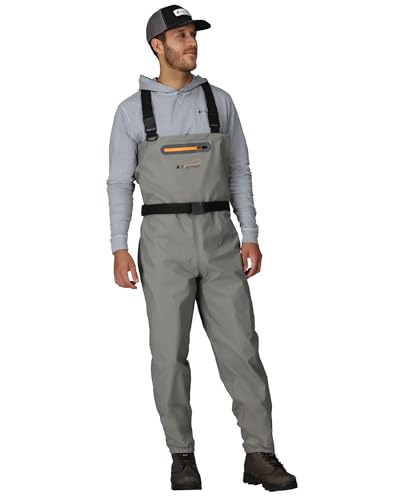
- 4-ply nylon upper
- 4mm neoprene booties
- Adjustable suspenders and gravel guards
Best For: Stockingfoot anglers using separate wading boots
Extreme-Cold Workhorse
HISEA 1400G Insulated Neoprene Waders
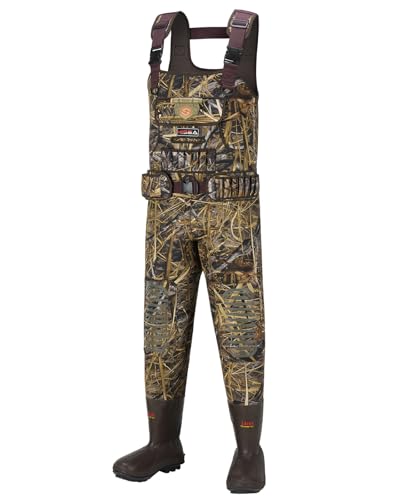
- 5.5mm neoprene for severe cold
- 1400g insulated rubber boots
- Reinforced knees and sealed seams
Best For: Extreme-cold fishing, hunting, and marsh conditions
Breathable Fishing Favorite
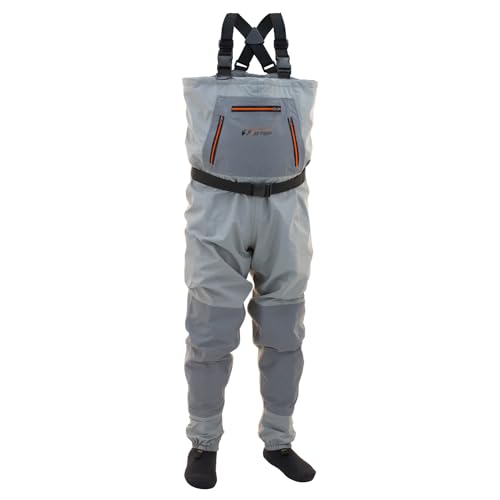
- Breathable 4-ply waterproof nylon
- 4mm neoprene booties with gravel guards
- Reinforced knees and multiple pockets
Best For: Active anglers seeking breathable, durable stockingfoot waders
Maximum Insulation

- 3.5 mm neoprene helps retain warmth
- 800g insulated rubber boots
- Sealed seams and cleated traction
Best For: Cold-water fishing in chilly, muddy conditions
Warm Flexible Fit

- 4.5 mm neoprene traps body heat
- 200g insulated rubber boots
- Padded knees and taped seams
Best For: Cold-water anglers wanting thick, flexible neoprene
Lightweight Coverage

- 35% lighter than traditional rubber waders
- 420D nylon/PVC waterproof construction
- Includes boot hanger and phone case
Best For: Long walks, packing, and layered cold-water use
Cold-Water Neoprene Pick
Trudave 4.0 mm Neoprene Chest Waders

- 4.0 mm neoprene helps retain body heat
- Triple-finished seams support waterproofing
- Anti-slip boots and reinforced knees add durability
Best For: Cold-weather fishing and hunting
Utility Nylon Choice
Waterproof 2-Ply Nylon/PVC Chest Waders
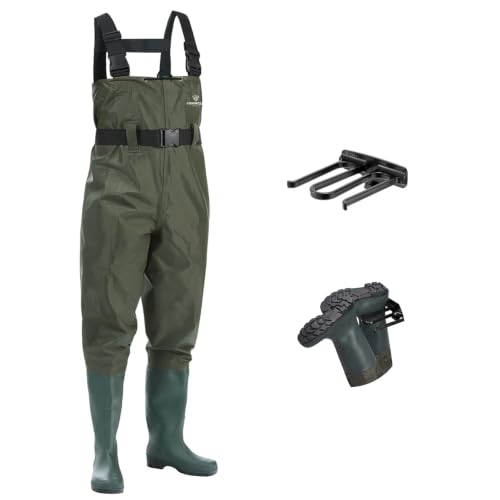
- Dense 2-ply nylon/PVC fabric is waterproof
- Quick-release suspenders and storage pocket aid convenience
- Cleated soles and included boot hanger add practicality
Best For: Layered fishing, hunting, and farm work
Lightweight Layering Pick
Foxelli Waterproof Camo Chest Waders

- Lightweight 2-ply nylon/PVC supports mobility
- Sealed seams and heat-welded boots resist leaks
- Not insulated, allowing custom cold-weather layering
Best For: Mobile anglers layering for colder conditions
Deep-Cold Insulation Pick – HISEA 600G Insulated Neoprene Chest Waders
For fishing waders for cold water, this HISEA model emphasizes warmth with flexible 4.5mm neoprene and rubber boots lined with 600-gram 3M Thinsulate Ultra insulation. Its taped seams, cleated soles, and reinforced knees make it a practical option for cold, wet, and slippery conditions.
Best For: Cold-weather fishing and outdoor use where insulation and traction are priorities.
Pros:
- 4.5mm neoprene helps trap body heat.
- 600-gram insulated boots provide added protection from cold.
- Cleated soles improve traction on muddy or slippery surfaces.
- Adjustable suspenders, a hand-warmer pocket, and storage features support field use.
Cons:
- The insulated construction may feel warmer and less streamlined than lighter waders.
- Hand wash and air dry care requires extra maintenance.
This is a strong choice when warmth matters more than minimal bulk, particularly for anglers who also want a wader suited to hunting and other demanding outdoor activities.
Lightweight Stockingfoot Option – FROGG TOGGS Canyon II Waders
The FROGG TOGGS Canyon II is a practical entry in fishing waders for cold water, pairing a 4-ply nylon upper with 4mm double-taped neoprene booties. The stockingfoot design works with separate wading boots, while gravel guards and adjustable suspenders support a secure fit.
Best For: Anglers who prefer stockingfoot waders and need a straightforward waterproof setup.
Pros:
- 4-ply nylon upper provides a durable outer layer.
- 4mm neoprene booties help insulate feet.
- Attached gravel guards include lace hooks.
- Quick-release suspenders and wading belt allow adjustment and easier removal.
Cons:
- Stockingfoot construction requires separate wading boots.
- The notes do not specify additional insulation in the upper.
Choose this model if you want a simple, adjustable stockingfoot system and plan to control much of your cold-weather comfort with wading boots and layers.
Extreme-Cold Workhorse – HISEA 1400G Insulated Neoprene Waders
Among fishing waders for cold water, this HISEA model is built for especially harsh conditions with 5.5mm neoprene and 1400g 3M Thinsulate-insulated rubber boots. Reinforced knees, sealed seams, and adjustable wide shoulder straps add support for extended use in cold or challenging terrain.
Best For: Fishing and hunting in extreme cold, snow, marshes, or other demanding environments.
Pros:
- 5.5mm neoprene composite fabric is designed for extreme cold.
- 1400g insulated boots provide substantial warmth.
- Double-layer knee protection improves abrasion and tear resistance.
- Hand-warmer, shell-loop, and removable ammo-pouch storage support field use.
Cons:
- At 4.6 kg, these waders are substantially heavier than lighter designs.
- The high insulation level may be excessive for milder conditions.
- They have no stated warranty.
This is the most heavily insulated option in the group, making it a logical pick for anglers who regularly face severe cold and accept extra weight for warmth and durability.
Breathable Fishing Favorite – FROGG TOGGS Hellbender Waders
The FROGG TOGGS Hellbender combines a 4-ply DRIPORE Gen 2 nylon upper with waterproof, breathable construction, making it a versatile choice among fishing waders for cold water. Its 4mm neoprene booties, reinforced knees, taped seams, and multiple pockets add useful support for active anglers.
Best For: Anglers wanting breathable waterproof waders with durable construction and organized storage.
Pros:
- Breathable 4-ply nylon is also described as abrasion-resistant and waterproof.
- 4mm neoprene booties include attached gravel guards and no-slip grips.
- Double-reinforced knees and fully taped seams improve durability and water protection.
- Chest, security, hand-warmer, and horizontal zippered storage provide useful organization.
Cons:
- Stockingfoot booties require separate wading boots.
- The notes specify 4mm booties but do not indicate heavy insulation in the upper.
This model offers a balanced setup for anglers who need waterproof protection and durability without giving up breathability or convenient storage.
Maximum Insulation – TIDEWE Neoprene Chest Waders
For fishing waders for cold water, the TIDEWE Neoprene Chest Waders emphasize warmth, waterproof protection, and traction. Their 3.5 mm neoprene construction, sealed seams, and insulated boot make them a practical choice for chilly, wet conditions.
Best For: Cold-water fishing when warmth, durable construction, and insulated footing are priorities.
Pros:
- 3.5 mm neoprene upper helps retain body heat.
- Stitched, glued, and taped seams plus coated leggings support waterproof protection.
- 800-gram 3M Thinsulate insulated rubber boots help keep feet warm.
- Cleated tread, reinforced vamp, adjustable suspenders, and a drainable hand-warmer pocket add practical utility.
Cons:
- The medium-weight neoprene design may feel bulkier than lightweight nylon/PVC waders.
- Correct sizing is important, so consult the size chart before ordering.
This is the warmth-focused option of the group, particularly suitable when cold feet and rugged, wet terrain are major concerns. Its insulated boots and heavy-duty seam construction favor protection over a lightweight feel.
Warm Flexible Fit – HISEA Neoprene Chest Waders
These HISEA waders are designed for fishing waders for cold water, combining a warm 4.5 mm neoprene build with waterproof seam construction. The adjustable straps and insulated rubber boots support comfort during extended time in cool water.
Best For: Anglers seeking thick neoprene insulation, flexible movement, and adjustable support.
Pros:
- 4.5 mm neoprene construction helps trap body heat.
- Padded knees add durability for repeated use.
- Double-stitched, bonded, and taped seams support waterproof performance.
- 200-gram 3M Thinsulate rubber boots provide warmth and cleated traction.
Cons:
- Thicker neoprene may be less lightweight than nylon/PVC alternatives.
- Size-chart selection is important before buying.
With the thickest neoprene listed here, this HISEA model is a strong choice for anglers prioritizing insulation and flexibility. Its 200-gram boot insulation offers warmth while keeping the design less heavily insulated at the feet than the 800-gram TIDEWE model.
Lightweight Coverage – TIDEWE Nylon/PVC Chest Waders
For fishing waders for cold water when reduced bulk matters, these TIDEWE chest waders use lightweight 420D 2-ply nylon/PVC construction. Welded boot attachments, taped seams, and adjustable suspenders provide practical coverage without the weight of traditional rubber waders.
Best For: Anglers who want waterproof chest coverage with a lighter design for packing and long walks.
Pros:
- 420D 2-ply nylon/PVC construction is designed to be 35% lighter than traditional rubber waders.
- Welded boot attachments and taped seams help keep water and dirt out.
- Adjustable H-back suspenders, quick-release buckles, and a drawcord support a customizable fit.
- Includes a flip-out chest pocket, boot hanger, and waterproof phone case.
Cons:
- The lightweight nylon/PVC design does not provide the same stated insulation as the neoprene models.
- The fabric has no stretch, which may feel less flexible during movement.
- Thick socks or wide feet may require sizing up.
This model favors mobility and lower carrying fatigue over built-in thermal insulation. For cold water, it may be more suitable when paired with appropriate layers, especially for anglers who value a lighter packable design.
Cold-Water Neoprene Pick – Trudave 4.0 mm Neoprene Chest Waders
Trudave Chest Waders for Men & Women Waterproof,Fishing Neoprene Waders,Hunting Waders with Boots
Check Price On AmazonFor anglers comparing fishing waders for cold water, the Trudave model stands out with a 4.0 mm neoprene upper designed to help retain body heat. Its reinforced construction, waterproof seam treatment, and integrated boots make it suited to demanding fishing and hunting conditions.
Best For: Cold-weather fishing, hunting, and users who want neoprene warmth with integrated boots.
Pros:
- 4.0 mm neoprene upper helps trap and hold body heat.
- Stitched, glued, and taped seams provide added waterproof protection.
- Anti-slip PVC boot soles support traction on muddy or slippery surfaces.
- Adjustable shoulder straps, a flexible belt, and reinforced knees improve usability.
Cons:
- Neoprene construction is heavier than lightweight nylon alternatives.
- Hand-wash care is required.
- Careful attention to the size chart is important before ordering.
The Trudave is the most cold-focused option in this group. Choose it when insulation and durable waterproof construction matter more than minimizing weight.
Utility Nylon Choice – Waterproof 2-Ply Nylon/PVC Chest Waders
These 2-ply nylon/PVC chest waders are a practical option for fishing waders for cold water when you plan to add your own insulating layers. The waterproof fabric, taped seams, cleated soles, and included boot hanger support both outdoor use and post-trip maintenance.
Best For: Fishing, hunting, farm work, and anglers seeking lightweight layering flexibility.
Pros:
- 2-ply nylon/PVC fabric is designed for waterproof protection.
- Visible taped seams and sealed boot attachments help resist water intrusion.
- H-back suspenders with quick-release buckles simplify adjustment and removal.
- Cleated soles provide traction, while the boot hanger helps with drying.
Cons:
- The non-stretch material may offer less flexibility than neoprene.
- It is not specifically described as insulated, so cold-water users may need extra layers.
- Wide feet or a larger build may require sizing up.
This model makes sense for versatile use and layering. It offers useful storage and drying accessories, but cold-water anglers should plan their insulation around the non-insulated nylon/PVC construction.
Lightweight Layering Pick – Foxelli Waterproof Camo Chest Waders
For fishing waders for cold water where mobility and layering are priorities, the Foxelli chest waders use lightweight 2-ply nylon/PVC rather than insulation. Their sealed seams, reinforced knees, and traction-focused boots provide dependable coverage while leaving room to add warm socks or layers.
Best For: Anglers who value lighter movement and want to customize warmth with socks and clothing layers.
Pros:
- Lightweight construction is described as 35% lighter than rubber.
- Glued, stitched, and taped seams are designed for leak resistance.
- Heat-welded PVC boots and anti-slip soles support wet, slick terrain.
- Adjustable suspenders, a drawstring chest, pockets, and a wading belt improve convenience.
Cons:
- These waders are not insulated, so they need suitable layers for cold water.
- Nylon/PVC may provide less inherent warmth than neoprene.
- Hand washing and air drying away from direct heat are required for care.
The Foxelli is a strong mobility-first choice, especially when conditions vary. For genuinely cold water, pair it with appropriate insulating layers rather than relying on the waders themselves for warmth.
How We Picked the Best Fishing Waders for Cold Water
We focused on the features that matter most when wading in low temperatures: insulation, waterproof materials, seam construction, boot reliability, mobility, and overall versatility. The lineup includes insulated neoprene models for maximum warmth, lighter nylon/PVC options for layering and milder conditions, and stockingfoot designs that pair with separate wading boots.
We also considered whether each design suits fishing, hunting, or both. Since fit and layering preferences vary, the list includes multiple thicknesses, boot styles, and size-friendly unisex options rather than one universal recommendation.
Quick Comparison
| Wader Type | Best For | Main Advantage | Trade-Off |
|---|---|---|---|
| Insulated neoprene | Very cold water | Warmth and cushioning | Heavier and less breathable |
| Stockingfoot breathable waders | Active anglers and changing conditions | Mobility and layering flexibility | Requires separate wading boots |
| Bootfoot neoprene | Cold-weather fishing and hunting | Convenient integrated footwear | Less customizable fit and traction |
| Nylon/PVC bootfoot | Budget-conscious general use | Lightweight waterproof coverage | Less insulation in freezing conditions |
Key Buying Factors for Fishing Waders for Cold Water
Insulation and Layering
Neoprene thickness strongly affects warmth. Heavier 5mm or similarly insulated designs are useful for frigid water, while lighter waders leave room for thermal layers and may be more comfortable during extended activity. Avoid choosing purely by thickness; excessive insulation can cause overheating when walking or fishing in warmer weather.
Waterproof Construction
Look for sealed or reinforced seams, durable fabric, and a chest-high cut that keeps splash and accidental immersion from reaching your clothing. Check the manufacturer’s sizing chart carefully, especially if you plan to wear base layers underneath.
Boots, Soles, and Fit
Bootfoot waders simplify setup and are convenient for muddy banks, but stockingfoot models let you select wading boots with the traction and ankle support you prefer. Felt, rubber, or lugged soles each suit different surfaces and local regulations. Suspenders, adjustable waist sections, and reinforced knees also improve comfort and durability.
Mobility and Durability
Fishing waders should allow comfortable stepping, casting, and crouching without excessive fabric pulling. Reinforced knees, storage pockets, and secure suspenders are useful for frequent use. For hunting, prioritize abrasion resistance and camouflage; for technical fishing, lighter construction and better movement may matter more.
Who Should Buy Which Fishing Waders for Cold Water?
- Choose insulated neoprene: Best for anglers who regularly wade cold water and prioritize warmth over low weight.
- Choose stockingfoot waders: Best for anglers who want customizable footwear, better mobility, and flexible layering.
- Choose bootfoot waders: Best for straightforward setup, cold-weather hunting, or fishing in soft and muddy terrain.
- Choose nylon/PVC waders: Best for occasional use, warmer conditions, or buyers seeking lighter and more affordable waterproof coverage.
Before purchasing, verify measurements, boot sizing, sole type, and the manufacturer’s temperature guidance. A properly fitted pair of Fishing Waders for Cold Water should seal out moisture without restricting movement or leaving too little room for insulating layers.