The best fishing waders for duck hunting keep you dry, warm, and mobile when marshes, streams, and flooded fields turn cold and unpredictable. This roundup compares 10 chest-wader options across insulated neoprene, breathable layered fabric, and lighter nylon/PVC designs.
Use the guide below to match insulation, boot construction, fit, and durability to your hunting conditions, season length, and budget.
Best 10 Fishing Waders for Duck Hunting Picks for 2026
Cold-Water Protection
HISEA 600G Insulated Neoprene Waders

- Warm 4.5mm neoprene construction
- 600g insulated cleated rubber boots
- Adjustable suspenders and shell holders
Best For: Cold-weather duck hunting and fishing
Breathable Late-Season Pick
Drake Hardline Insulated Waders

- Waterproof, windproof, breathable 3-layer fabric
- Full-body liner with 800g insulated boots
- Cargo pouch and vertical shell loops
Best For: Late-season hunts and cold-water adventures
Balanced Neoprene Value

- 3.5mm wear-resistant neoprene upper
- 600g insulated boots with rugged tread
- Triple-sealed seams and quick-drain pocket
Best For: Insulated marsh hunting and fishing
Maximum Boot Insulation
Gator Waders Shield Chest Waders

- 1600g insulated boots with aggressive tread
- Four-layer breathable polyester exterior
- 900D seat and reinforced leg gaiters
Best For: Very cold, rugged duck-hunting conditions
Warmth & Comfort Pick
Foxelli 4mm Neoprene Chest Waders
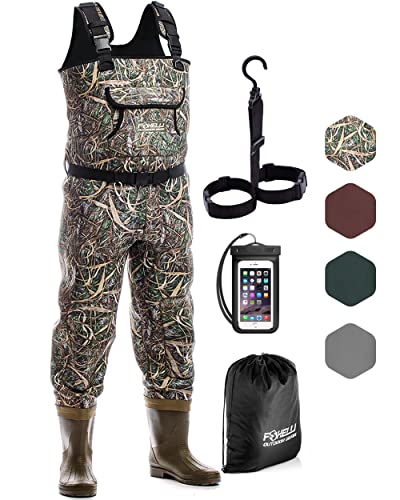
- Insulating 4mm neoprene construction
- Sealed seams and reinforced knees
- Boot-foot design with anti-slip soles
Best For: Men and women needing warm, practical waders for cold wet terrain
Cold-Water Duck Hunting Pick

- 5mm neoprene for cold-weather insulation
- 1400G/1600G insulated rubber boots
- Shell storage and fleece-lined handwarmer
Best For: Duck hunters facing icy water and muddy terrain
Storage & Mobility Pick
Gonex 4.5mm Insulated Chest Waders

- 4.5mm neoprene with 600G insulated boots
- Deep-tread soles for wet terrain
- Multiple shell and accessory pockets
Best For: Active hunters needing organized storage and flexible movement
Lightweight Neoprene Protection
Lightweight Neoprene Chest Waders

- Waterproof 4mm neoprene shell
- Reinforced knees and anti-slip boots
- Handwarmer pocket and repair kit included
Best For: Wet-weather fishing and moderate duck hunting
Versatile Nylon/PVC Value

- Waterproof 2-ply nylon/PVC fabric
- Cleated soles and adjustable H-back suspenders
- Chest pocket, D-rings, and boot hanger
Best For: Fishing, hunting, and general outdoor work
Cold-Weather Insulation
600G Insulated Duck Hunting Waders

- 4mm neoprene with sealed waterproof seams
- 600G 3M Thinsulate insulated boots
- Waterweed camo and rugged non-slip tread
Best For: Cold-water fishing and duck hunting
Cold-Water Protection – HISEA 600G Insulated Neoprene Waders
For anglers and hunters comparing fishing waders for duck hunting, these HISEA chest waders emphasize warmth, waterproof construction, and traction. The 4.5mm neoprene upper and insulated rubber boots are suited to cold-water conditions, while the camouflage pattern fits hunting use.
Best For: Cold-weather duck hunting and fishing where warmth and waterproofing are priorities.
Pros:
- 4.5mm neoprene helps retain body heat and provides stretch.
- Double-stitched, bonded, and taped seams support waterproof protection.
- 600-gram 3M Thinsulate Ultra boots include cleated soles for traction.
- Adjustable suspenders, quick-release buckles, and shell holders add convenience.
Cons:
- Neoprene construction may feel warmer and less breathable than breathable-fabric waders.
- Hand wash only, according to the care instructions.
- Correct sizing is especially important; the product notes advise checking the size chart.
Choose these if insulation is more important than maximum breathability. The sturdy neoprene build, warm boots, and field-oriented storage make them a practical option for chilly water and marsh conditions.
Breathable Late-Season Pick – Drake Hardline Insulated Waders
These Drake Waterfowl waders are a strong candidate for fishing waders for duck hunting when you want insulated warmth without giving up breathable construction. Their three-layer fabric is described as waterproof, windproof, and breathable, with a full-body liner and 800g insulated rubber boots for cold outings.
Best For: Late-season duck hunts and cold-water adventures requiring warmth, weather protection, and breathability.
Pros:
- Three-layer fabric is waterproof, windproof, and breathable.
- Full-body insulated liner and 800g Thinsulate Ultra boots provide substantial warmth.
- High-gauge reinforcement is designed for high-wear terrain and brush.
- Front cargo storage and vertical shell loops keep essentials accessible.
Cons:
- Heavy insulation may be more than needed for mild-weather use.
- Available product details specify an X-Large upper and size 11 boot configuration, so fit selection requires attention.
- The supplied details do not specify a lighter boot insulation option.
This model stands out for hunters who spend extended periods in cold, wet conditions. Its combination of breathable fabric, full-body insulation, reinforced areas, and organized storage supports demanding waterfowl use.
Balanced Neoprene Value – TIDEWE 600G Chest Waders
For shoppers seeking fishing waders for duck hunting with a practical insulated design, the TIDEWE chest waders combine 3.5mm neoprene with sealed seams and 600-gram insulated boots. Their reinforced boot vamp, cleated tread, and camouflage finish are useful for wet and muddy hunting or fishing environments.
Best For: Hunters and anglers wanting insulated neoprene waders with reinforced boots and straightforward adjustability.
Pros:
- 3.5mm neoprene upper offers insulation, stretch, and wear resistance.
- Triple-finished seams are stitched, glued, and taped for leak protection.
- 600-gram 3M Thinsulate boots include reinforced vamps and rugged traction.
- Adjustable suspenders and a quick-drain hand-warmer pocket improve usability.
Cons:
- Neoprene is likely less breathable than the breathable polyester option in this roundup.
- Hand wash only, based on the listed care instructions.
- The notes emphasize checking the size chart before purchase.
The TIDEWE is a sensible middle ground for cold-weather use: it provides meaningful insulation and waterproof seam construction without the heavier insulation level of some alternatives. Its boot traction and storage details also suit muddy marsh conditions.
Maximum Boot Insulation – Gator Waders Shield Chest Waders
These Gator Waders Shield waders target demanding duck hunters comparing fishing waders for duck hunting in cold, wet terrain. A four-layer breathable polyester exterior, quilted thermal lining, reinforced seat and gaiters, and 1600g insulated boots create a protection-focused setup for extended marsh use.
Best For: Cold-weather hunters who prioritize maximum boot insulation, rugged reinforcement, and traction.
Pros:
- Four-layer breathable polyester exterior helps protect against the elements.
- 1600g insulated boots provide substantial warmth and aggressive tread.
- 900D reinforced rear seat and leg gaiters add durability in rugged environments.
- Dual-sealed seams, adjustable straps, and a webbing belt support a secure fit.
Cons:
- 1600g boot insulation may feel excessive in warmer conditions.
- The listed item weight is 12.5 pounds, indicating a notably substantial setup.
- Relaxed fit and buckle adjustments may require careful sizing for a secure fit.
This is the cold-weather specialist of the group. Its very warm boots, thermal lining, and reinforced high-wear areas make it appealing for frigid conditions, though the substantial insulation and listed weight may be less suitable for mild hunts.
Warmth & Comfort Pick – Foxelli 4mm Neoprene Chest Waders
Foxelli Chest Waders, Waterproof 4mm Neoprene Hunting & Fishing Waders for Men & Women with Boots
Check Price On AmazonFor anglers and hunters comparing fishing waders for duck hunting, the Foxelli chest waders combine 4mm neoprene insulation with a practical boot-foot design. Sealed seams, reinforced knees, and adjustable suspenders support comfortable use in cold, muddy conditions.
Best For: Men and women who want insulated, easy-on chest waders with useful storage and reinforced protection.
Pros:
- 4mm neoprene helps provide warmth in cold water.
- Double-stitched, taped, and sealed seams help keep water out.
- Lightweight PVC boots include anti-slip soles for muddy terrain.
- Chest storage, D-rings, carabiners, and a carry bag add convenience.
Cons:
- Hand-wash care requires more maintenance than machine-washable options.
- The medium-regular fit may not suit every body shape.
Foxelli is a versatile choice when warmth, mobility, and field organization matter. Its boot-foot construction and reinforced knees make it especially practical for moving and kneeling around wet hunting areas.
Cold-Water Duck Hunting Pick – TIDEWE 5mm Neoprene Waders
Among fishing waders for duck hunting, the TIDEWE model stands out for cold-weather insulation and hunting-focused storage. Its 5mm neoprene shell, insulated boots, sealed seams, and traction-oriented tread are designed for icy water and muddy ground.
Best For: Duck hunters prioritizing maximum warmth, traction, and quick access to shells and small accessories.
Pros:
- 5mm neoprene and 1400G/1600G boot insulation help retain warmth.
- Sealed seams and polyurethane-coated leggings support waterproof protection.
- Rugged boot tread improves balance on wet and muddy surfaces.
- Shell pouch, shell loops, handwarmer pocket, and front storage are field-friendly.
Cons:
- Low-stretch neoprene and medium-weight construction may feel less flexible.
- Buyers need to follow the size chart carefully.
- Hand-wash care may be less convenient.
This TIDEWE pair is geared toward stationary or long-duration cold-water hunts where insulation and ammunition organization take priority. The substantial boot insulation may be more than needed for milder conditions.
Storage & Mobility Pick – Gonex 4.5mm Insulated Chest Waders
For shoppers seeking fishing waders for duck hunting with flexible organization, the Gonex chest waders pair 4.5mm neoprene with 600G insulated rubber boots. Multiple storage options, adjustable straps, sealed seams, and reinforced knee panels make them suited to active outdoor use.
Best For: Hunters and outdoor workers who need moderate insulation, field storage, and traction across wet or uneven ground.
Pros:
- 600G insulated boots help retain warmth while supporting mobility.
- 4.5mm neoprene offers insulation and flexibility.
- Deep-tread outsoles provide traction on wet, muddy, uneven surfaces.
- Shell holders, hand-warmer pockets, D-rings, and a waterproof phone pouch organize essentials.
Cons:
- Boot insulation is lower than the 1400G/1600G level offered by some colder-weather options.
- The product details list nylon fabric, while the construction description emphasizes neoprene.
- Machine-wash care still requires following the manufacturer’s instructions.
Gonex offers a balanced setup for users who move frequently and carry several accessories. Its reinforced panels and adjustable fit are useful for rugged conditions, while the storage system keeps hunting gear close at hand.
Lightweight Neoprene Protection – Lightweight Neoprene Chest Waders
These fishing waders for duck hunting combine a waterproof 4mm neoprene shell with reinforced knees and lightweight anti-slip PVC boots. They are a practical choice when you want warmth, storage, and easier movement in wet outdoor conditions.
Best For: Anglers and hunters who want lightweight neoprene waders with built-in storage and knee protection.
Pros:
- 4mm neoprene construction with double-stitched and sealed seams helps keep water out.
- Reinforced, double-layer knees provide added protection against rocks, brush, and abrasion.
- Fleece-lined handwarmer pocket, internal zippered pocket, D-rings, and included repair kit add useful versatility.
- Padded shoulder straps, adjustable belt, and quick-release buckles support a comfortable fit.
Cons:
- The lightweight boot design may offer less insulation than heavily insulated alternatives.
- Careful size-chart review is important for the proper fit.
With a two-year warranty and a useful mix of protection, storage, and comfort features, these waders are well suited to general fishing and moderate duck-hunting conditions.
Versatile Nylon/PVC Value – Camo Nylon/PVC Chest Waders
For shoppers comparing fishing waders for duck hunting, this camouflage pair uses upgraded 2-ply nylon/PVC fabric, taped seams, and cleated soles. Its adjustable suspenders and practical storage make it suitable for fishing, hunting, farm work, and other messy conditions.
Best For: Buyers seeking lightweight, versatile waders for fishing, hunting, and general outdoor work.
Pros:
- 2-ply nylon/PVC fabric is designed for waterproof protection and durability.
- Visible taped seams and a waterproof boot attachment help limit water and dirt intrusion.
- H-back suspenders with quick-release buckles make taking the waders on and off easier.
- Front D-rings, a flip-out chest pocket, cleated soles, and a boot hanger add convenience.
Cons:
- The product is noted as running small, so sizing requires particular attention.
- Wide-footed or larger users may need to choose one size up.
- Hand-wash care is required, and no warranty is listed.
This is a flexible, lightweight option with useful hunting-friendly camouflage and traction, but fit should be checked carefully before ordering.
Cold-Weather Insulation – 600G Insulated Duck Hunting Waders
These fishing waders for duck hunting are built for colder water, pairing 4mm neoprene with 600G 3M Thinsulate insulated boots. Sealed seams, reinforced knees, waterweed camouflage, and rugged tread provide a feature-rich setup for wet marshes and cold-weather outings.
Best For: Duck hunters and anglers who prioritize warmth, waterproof sealing, and traction in cold conditions.
Pros:
- 4mm neoprene, nylon jersey, and a stretch liner help retain body heat while allowing flexibility.
- 600G 3M Thinsulate boot insulation adds warmth for cold-water use.
- Armor-weld stitching, bonded and taped seams, and polyurethane-coated leggings support waterproof protection.
- Reinforced knees, rugged non-slip tread, a handwarmer pocket, inner pouch, and six shell holders add field utility.
Cons:
- The heavily insulated boot design may feel warmer and less suitable for mild conditions.
- Boot-foot construction can be less adaptable than separate wader-and-boot systems.
Among these options, this pair offers the strongest cold-weather focus, with substantial boot insulation and wetland camouflage balanced by a more purpose-built, insulated design.
How We Picked the Best Fishing Waders for Duck Hunting
We focused on the features that matter most in wetland hunting: waterproof construction, useful insulation, dependable bootfoot design, mobility, and practical fit adjustment. The lineup includes heavy 4mm neoprene and 600-gram insulated models for cold-weather use, breathable layered waders for active hunters, and lighter options for milder conditions or occasional trips.
We also considered chest height, camouflage availability, suspenders, storage, boot traction, and the balance between warmth and freedom of movement. Because sizing and insulation needs vary significantly, treat each product’s current size chart and specifications as the final reference before ordering.
Quick Comparison
- Best for severe cold: 600G-insulated or 4mm neoprene bootfoot waders.
- Best for active movement: Breathable, multi-layer waders with adjustable suspenders.
- Best all-around value: Waterproof neoprene chest waders with reinforced boots and a practical fit.
- Best for mild weather: Lightweight nylon/PVC designs with room for separate insulating layers.
Key Buying Factors for Fishing Waders for Duck Hunting
Insulation and Seasonal Use
Neoprene retains heat well and blocks wind, making it a strong choice for late-season hunts, icy water, and long waits in the blind. Thicker 4mm material and 600-gram boot insulation add warmth but can feel heavier and less flexible. Breathable waders are better for walking, warmer weather, or hunters who layer underneath.
Waterproofing and Construction
Look for sealed seams, waterproof fabric, reinforced knees or seat areas, and durable boot-to-wader connections. Bootfoot designs simplify setup and reduce leakage points, while stockingfoot waders provide more flexibility in choosing boots but require a separate purchase.
Fit, Mobility, and Sizing
A secure fit should allow a base layer and insulating clothing without restricting squatting, climbing, or walking. Adjustable suspenders, a flexible upper body, and a well-shaped boot improve comfort. Check inseam, chest, hip, and boot measurements rather than relying only on your usual clothing size.
Boot Traction and Storage
Rubber boots with aggressive tread are valuable on slick mud, rocks, and boat ramps. Handwarmer pockets, chest storage, and internal pockets are useful, but avoid overloading them if it pulls the waders down or limits movement.
Who Should Buy Which Fishing Waders for Duck Hunting?
Cold-weather hunters should prioritize insulated neoprene, thick boot insulation, and enough room for layered clothing. Mobile hunters who cover distance should favor breathable construction and lower overall weight. Occasional hunters may prefer a versatile midweight neoprene model that handles both fishing and waterfowl use. Budget-focused buyers can look for waterproof PVC or basic neoprene designs, provided the seams, suspenders, and boot sizing are dependable.
Before each outing, inspect seams, straps, and boots for damage, and pair your waders with appropriate insulation and a properly fitted belt when recommended by the manufacturer.