The right rocks can turn a freshwater aquarium into a stable, natural-looking habitat while giving plants, fish, and hardscape features a more finished appearance. These 10 picks cover everything from fine gravel and polished pebbles to large slate and sculptural dragon stone.
Before adding any rock, consider its size, texture, quantity, and effect on water chemistry. The best choice depends on your tank’s inhabitants, layout, maintenance routine, and preferred aquascaping style.
Best 10 Aquarium Rocks for Freshwater Tanks Picks for 2026
Textured Hardscape Pick

- 5-pound pack of natural Seiryu stone
- Distinct textures for aquascaping
- Individual pieces range from 2 to 6 inches
Best For: Structured freshwater aquascapes with dark, natural hardscape
Glow-Focused Substrate
GloFish Pearlescent Aquarium Gravel

- 5-pound white/pearl gravel pack
- Fluorescent accents glow under blue LEDs
- Works as substrate or a decorative accent
Best For: GloFish tanks with blue lighting and colorful décor
Natural Texture Value

- 2.5-pound pack of natural dragon stone
- Porous, honeycomb-like surface texture
- Pieces measure approximately 2 to 4 inches
Best For: Compact freshwater aquascapes with caves and irregular hardscape
White Glow Accent

- 5-pound White Frost gravel pack
- Fluorescent highlights show under blue LEDs
- Use as substrate or an accent
Best For: Bright, GloFish-compatible freshwater displays
Natural River Rock
Large Mixed-Color Aquarium Stones
- Natural, unpolished stones with no added dyes
- Smooth 2–3-inch pieces for larger displays
- 5-pound mix with varied colors and shapes
Best For: Larger freshwater tanks and natural-looking layouts
Polished Gravel
Small Mixed-Color Aquarium Accent Stones
- Gently tumbled 0.5–1.2-inch stones
- Mixed natural shades for colorful accents
- 2-pound package for indoor or outdoor decor
Best For: Small decorative accents and mixed-color gravel layouts
Aquascaping Slate
Large Polished Rock for Freshwater Tanks

- 10 pounds of natural 5–7-inch slate pieces
- Designed for cliffs, caves, mountains, and terrain
- Rounded polished edges and inert material
Best For: Large structured aquascapes and dramatic hardscape layouts
Best Everyday Gravel

- Natural, dye-free stone
- Rounded 1/4-inch gravel
- Useful for tanks and plants
Best For: Freshwater tanks needing a simple gravel base
Best for Structured Aquascapes

- Inert slate for aquariums
- Rounded polished edges
- Works for caves and cliffs
Best For: Freshwater aquascapes with stacked hardscape
Best for Natural Textures

- Distinct porous textures
- Lightweight and stackable
- Can be shaped for custom layouts
Best For: Textured freshwater aquascapes with planted terrain
Textured Hardscape Pick – Seiryu Stone Aquarium Rocks
These 5 pounds of natural Seiryu stone are a substantial option for aquascapers looking for aquarium rocks for freshwater tanks. With individual stones ranging from 2 to 6 inches, the set can add height, texture, and a natural focal point to a larger layout.
Best For: Freshwater aquascapes that need durable, dark hardscape stones with varied natural patterns.
Pros:
- Unique natural textures give each stone a distinctive appearance.
- Designed for aquarium use without altering water quality, according to the supplied notes.
- Durable stone is suited to long-term display use.
- Simple to clean and also usable in terrariums, gardens, and other decorative settings.
Cons:
- Natural stones vary in shape, so the final arrangement may be less predictable.
- The 2- to 6-inch size range may be oversized for nano tanks.
- The package includes stone only, so you may need additional substrate or décor.
Choose this set when visual texture and a more structured aquascape matter more than uniform pieces. Its 5-pound quantity provides useful material for building a noticeable hardscape.
Glow-Focused Substrate – GloFish Pearlescent Aquarium Gravel
This 5-pound pearlescent gravel is a colorful alternative to traditional aquarium rocks for freshwater tanks, particularly when paired with blue GloFish LED lighting. It can cover the tank floor or serve as an accent around plants and ornaments.
Best For: GloFish tanks and freshwater setups where fluorescent color and a coordinated decorative theme are priorities.
Pros:
- Fluorescent accents stand out under GloFish blue LED lights.
- Can be used as a substrate or as a decorative accent.
- White/pearl coloring coordinates with GloFish plants and ornaments.
- The 5-pound package provides a useful quantity for decorative coverage.
Cons:
- Its glow effect depends on compatible blue LED lighting.
- It is decorative gravel rather than large sculptural hardscape rock.
- Requires thorough rinsing before use and should not be cleaned with soap or detergent.
This gravel is a practical pick for a bright, themed aquarium rather than a natural stone layout. Follow the supplied rinsing directions to remove debris before adding it to the tank.
Natural Texture Value – VOKOY Dragon Stones
VOKOY’s 2.5-pound dragon stones offer porous, honeycomb-like texture for shoppers comparing aquarium rocks for freshwater tanks. The natural pieces measure approximately 2 to 4 inches and can be arranged into caves, mountains, or other layered aquascape designs.
Best For: Small to medium freshwater layouts that benefit from irregular textures, shelters, and flexible stone arrangements.
Pros:
- Honeycomb-like holes and rich textures create visual interest.
- Natural shapes can be combined into caves, mountains, or underwater gardens.
- Supplied notes state the rocks will not affect aquarium water.
- Usable in aquariums, terrariums, paludariums, and other DIY displays.
Cons:
- Natural size, shape, and weight vary from piece to piece.
- The 2.5-pound quantity may be limited for larger tanks.
- Stones need cleaning before aquarium use.
This set suits hobbyists who prefer organic, irregular hardscape over uniform gravel. Its moderate quantity and 2- to 4-inch range make it easier to incorporate into a compact feature area.
White Glow Accent – GloFish White Aquarium Gravel
This 5-pound white-frost gravel provides a bright base or accent for aquarium rocks for freshwater tanks and themed GloFish displays. Its fluorescent highlights are intended to stand out under GloFish blue LED lighting while coordinating with matching plants and décor.
Best For: GloFish-compatible freshwater aquariums seeking a light-colored, modern-looking gravel base.
Pros:
- White Frost color creates a bright, clean-looking foundation.
- Fluorescent highlights glow under GloFish blue LED lights.
- Can function as full substrate or as an accent around décor.
- Compatible with GloFish plants and ornaments as part of a coordinated setup.
Cons:
- The fluorescent effect relies on compatible blue lighting.
- Gravel is better for colorful theming than natural-looking stone landscapes.
- The supplied specifications identify it specifically for GloFish-compatible aquarium use.
Consider this gravel when you want a lighter substrate that supports a fluorescent display. It is especially useful for brightening the base of a themed tank while leaving room for larger décor or aquarium rocks.
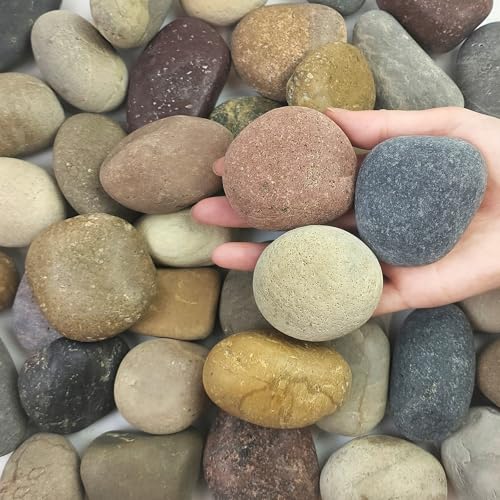
Natural River Rock – Large Mixed-Color Aquarium Stones
For aquarium rocks for freshwater tanks, these 2–3-inch natural river stones offer a simple way to add a smooth, varied-looking base or accent. The 5-pound mix includes unpolished stones in different colors, shades, and shapes, so each piece has a distinct natural appearance.
Best For: Larger freshwater aquariums, ponds, planted displays, and aquarists who want substantial natural stones.
Pros:
- Natural, non-toxic stones with no added fillers or dyes.
- Smooth, rounded surfaces create a comfortable environment for fish and reptiles.
- Large 2–3-inch pieces are less likely to be swallowed than smaller gravel.
- Reusable stones retain their appearance and can also suit outdoor landscaping.
Cons:
- The 5-pound quantity may cover less area than expected because the stones are heavy.
- Large pieces may be too substantial for nano tanks or fine-gravel layouts.
- Natural stones vary in color, shape, and appearance.
This is a practical choice when you want larger, smooth river rocks with a varied natural look. Rinse and inspect the stones before placing them in an aquarium, and confirm the size works with your tank layout.
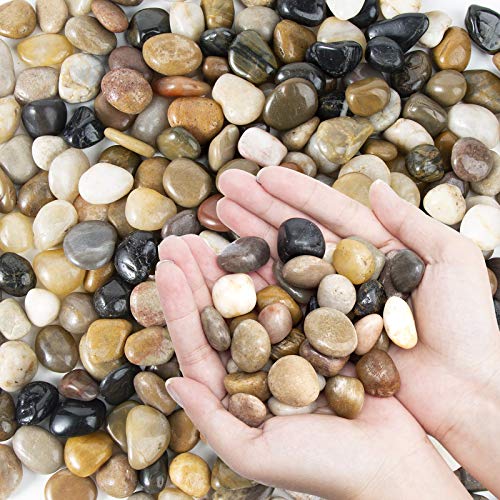
Polished Gravel – Small Mixed-Color Aquarium Accent Stones
These small polished stones are a flexible option for aquarium rocks for freshwater tanks when you want colorful accents rather than large structural pieces. The 0.5–1.2-inch gravel comes in natural mixed shades and has gently tumbled, smooth surfaces.
Best For: Small aquarium accents, water gardens, terrariums, and decorative layouts that benefit from rounded, mixed-color gravel.
Pros:
- Compact 0.5–1.2-inch size works well as decorative gravel or accent material.
- Gently tumbled surfaces have no sharp edges according to the supplied details.
- Mixed natural shades include browns, whites, and black stones.
- Long-lasting alternative to mulch for indoor or outdoor decorative use.
Cons:
- The 2-pound package provides less material than larger bulk options.
- Natural stones may arrive broken, irregular, oval, round, thick, or thin.
- The stones are coated in paraffin wax, so aquarium users should clean them thoroughly before use.
This gravel is best viewed as a small decorative accent rather than a primary aquascaping foundation. Its polished finish and varied colors can add visual interest, but careful preparation is especially important before introducing it to a freshwater tank.
Aquascaping Slate – Large Polished Rock for Freshwater Tanks
For aquarium rocks for freshwater tanks, this 10-pound slate set is designed for building more dramatic aquascapes. The 5–7-inch polished natural pieces can help create mountains, cliffs, caves, and other layered terrain while retaining a rugged slate appearance.
Best For: Large freshwater aquariums, structured aquascapes, planted hardscape designs, and hobbyists building elevated rock formations.
Pros:
- Natural slate pieces provide distinctive texture and color.
- Supplied details describe the rocks as inert and safe for fish, shrimp, plants, and sensitive aquatic environments.
- Polished, rounded edges are designed to reduce the risk of harming fish.
- Pieces can be arranged, broken, or secured with aquarium-safe glue for customized layouts.
Cons:
- Large 5–7-inch rocks require a spacious tank and careful placement.
- The 10-pound set may be more material than needed for a small aquarium.
- Stacked formations should be made stable to prevent shifting or collapse.
This is the strongest option here for creating a substantial, terrain-focused aquascape. Its large slate pieces offer more design flexibility than small gravel, but they demand adequate tank space and a stable arrangement.
Best Everyday Gravel – Natural River Pea Gravel
For shoppers comparing aquarium rocks for freshwater tanks, this 1/4-inch natural river gravel is a practical choice for adding a simple, rounded substrate. The stones are described as non-toxic, dye-free, oil-free, and polished, making them suitable for fish tanks when properly cleaned before use.
Best For: Freshwater tanks needing fine, rounded gravel and a versatile decorative stone.
Pros:
- Natural stone with no added fillers, dyes, or oils.
- Small 1/4-inch rounded pieces create an even-looking base.
- Polished surfaces are designed to provide a comfortable environment for aquatic pets.
- The 5-pound pack can also be used for plants, vases, and garden projects.
Cons:
- The relatively small gravel size may not provide the dramatic height or structure of larger aquascaping rocks.
- Because it is marketed for multiple uses, buyers should rinse and inspect it carefully before adding it to a tank.
This YISZM gravel is best when you want a straightforward, rounded base rather than caves, cliffs, or large focal stones. Its multi-use design also makes the pack useful beyond the aquarium.
Best for Structured Aquascapes – Polished Slate Rock
If you are choosing aquarium rocks for freshwater tanks and want more visual structure, these 3- to 5-inch polished slate pieces are suited to cliffs, caves, and layered layouts. The slate is described as inert and safe for fish, shrimp, plants, and sensitive aquatic environments without altering water chemistry.
Best For: Aquascapers building stacked formations, caves, cliffs, and natural-looking terrain.
Pros:
- Natural slate offers unique textures and colors for a rugged appearance.
- Inert material is described as not altering water chemistry.
- Polished, rounded edges are intended to reduce the risk of harm to fish.
- Pieces can be arranged, broken, or secured with aquarium-safe glue.
Cons:
- The 3- to 5-inch pieces require more tank space than fine gravel.
- Stacked formations may need careful placement or aquarium-safe glue for stability.
- The product is sold as a 5-pound pack, which may be limited for larger displays.
This slate is a strong fit for layouts that depend on height and hardscape definition. Its stated inertness is particularly useful when you want prominent rocks without intentionally changing the tank’s water chemistry.
Best for Natural Textures – Porous Dragon Stone
This 3-pound Dragon Stone set is an appealing option for aquarium rocks for freshwater tanks when you want a textured, natural centerpiece. Its porous surface and layered form are described as suitable for plant-root support, stacking, and creating mountains, cliffs, and caves.
Best For: Natural aquascapes that benefit from porous texture, lightweight pieces, and custom formations.
Pros:
- Each piece has unique textures and colors for a customized layout.
- Porous surfaces can promote plant root growth and add habitat texture.
- Lightweight pieces are easy to carry, stack, and arrange.
- Moderate hardness allows shaping, cutting, or drilling for creative projects.
Cons:
- The porous, hole-filled surface may require more attention during cleaning than smooth stone.
- The 2- to 5-inch size range may produce varied rather than uniform pieces.
- The 3-pound quantity may be insufficient for a large aquarium or extensive hardscape.
Choose this Dragon Stone when texture and flexibility matter more than a smooth, polished finish. Its lightweight, workable structure makes it easier to build individualized terrain, though the porous surface may need careful preparation.
How We Picked the Best Aquarium Rocks for Freshwater Tanks
We selected products across several common freshwater hardscape needs: planted aquariums, decorative community tanks, GloFish setups, terrariums, and larger aquascapes. We considered stone type, piece size, weight, color, intended use, and how easily each option can contribute to a stable layout.
Because natural rocks can vary, treat product descriptions as a starting point rather than a guarantee of compatibility with every aquarium. Rinse all substrate and hardscape thoroughly, inspect for sharp edges, and test questionable stones before placing them in a stocked tank.
Quick Comparison
| Best For | Recommended Type | What to Look For |
|---|---|---|
| Planted aquascapes | Seiryu, dragon stone, or slate | Interesting texture, stable shapes, and enough weight |
| Bottom-covering substrate | Natural aquarium gravel | Appropriate grain size and smooth edges |
| Colorful decorative tanks | Pearlescent or white GloFish gravel | Color contrast and compatibility with blue lighting |
| Large focal points | River rocks or large slate | Scale, stability, and adequate tank space |
| Small accents | Polished pebbles | Smooth surfaces and manageable pieces |
Key Buying Factors for Aquarium Rocks for Freshwater Tanks
Size and Quantity
Match the rock scale to your aquarium. Small pebbles work for foreground accents and substrate, while larger stones create structure in medium and large tanks. Check the listed weight because a few pounds may cover a small tank but only accent a larger one.
Shape, Texture, and Safety
Smooth river rocks and polished gravel are practical around bottom-dwelling fish. Jagged slate, Seiryu, and dragon stone provide stronger visual interest but require careful placement. Avoid unstable stacks and edges that could injure fish or damage glass.
Water Chemistry
Some carbonate-based stones can raise hardness or pH. This may suit hard-water livestock but conflict with species that prefer softer, more acidic conditions. If your water parameters are important, test rocks with vinegar or use a dedicated aquarium-safe test method, then monitor the tank after installation.
Cleaning and Preparation
Wash rocks with plain water and scrub away dust before use. Do not use soap, household cleaners, or untreated outdoor stones that may contain contaminants. Add hardscape before filling the aquarium when possible, and use a protective barrier under heavy pieces.
Who Should Buy Which Aquarium Rocks for Freshwater Tanks?
Choose natural gravel or polished pebbles if you need a simple, low-profile foundation. Pick dragon stone or Seiryu-style rock for a planted aquascape with strong texture and height. Slate is a good fit for layered, dramatic layouts, especially when you want flat surfaces or ledges. Large river rocks suit spacious tanks and minimalist designs, while GloFish gravel is best for hobbyists prioritizing bright color and blue-light effects over a strictly natural appearance.
For most buyers, the best option is the rock that fits the tank’s footprint, complements its inhabitants, and remains stable after installation. Buy enough material to create a balanced layout, but leave open swimming areas and avoid burying equipment or blocking filtration.