A planted aquarium can look healthy while water chemistry gradually drifts. The right test kit helps you track the nutrients and conditions that affect plant growth, fish health, algae, and CO2 balance.
These 10 picks cover routine freshwater testing, targeted ammonia and hardness checks, fast test strips, CO2 monitoring, and app-enabled analysis. Use the guide below to choose a testing setup that matches your tank size, livestock, and maintenance routine.
Best 10 Aquarium Test Kits for Planted Tanks Picks for 2026
Best Overall Coverage
API Freshwater Master Test Kit

- Tests pH, high-range pH, ammonia, nitrite, and nitrate
- Includes liquid reagents, tubes, and color card
- Made for weekly freshwater monitoring
Best For: Freshwater planted tanks needing broad core-parameter testing
Best CO2 Monitor

- Provides a dedicated planted-tank CO2 indicator
- Includes reagent solution and suction cups
- Uses blue, green, and yellow color guidance
Best For: CO2-injected planted aquariums needing visual monitoring
Best Quick Checks
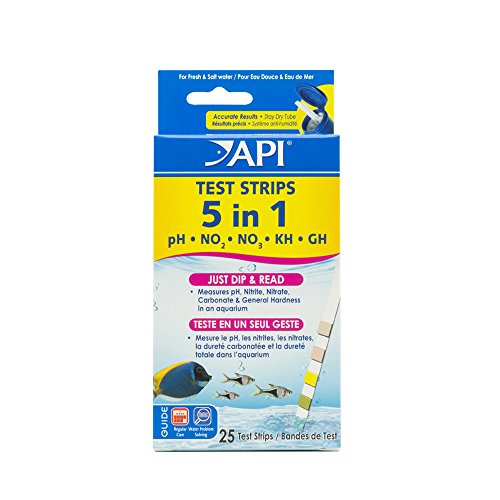
- Checks five water readings in one strip
- Tests pH, nitrite, nitrate, carbonate, and general hardness
- Works in freshwater and saltwater aquariums
Best For: Fast routine screening with minimal setup
Best Parameter Mix

- Tests pH, nitrite, nitrate, ammonia, and phosphate
- Offers 265 stated measurements
- Uses liquid reagents for freshwater and saltwater tanks
Best For: Tanks needing phosphate and ammonia testing together
Hardness Specialist

- Measures GH and KH in freshwater aquariums
- Includes two solutions and capped test tubes
- Useful for weekly hardness monitoring
Best For: Freshwater planted tanks where hardness is the priority
All-in-One Strips
EASYTEST 8-Way Aquarium Test Strips

- Checks eight core water metrics
- Includes 50 strips and a color chart
- Most results develop in 15 seconds
Best For: Fast, broad routine testing across planted and other aquarium types
Ammonia Monitor
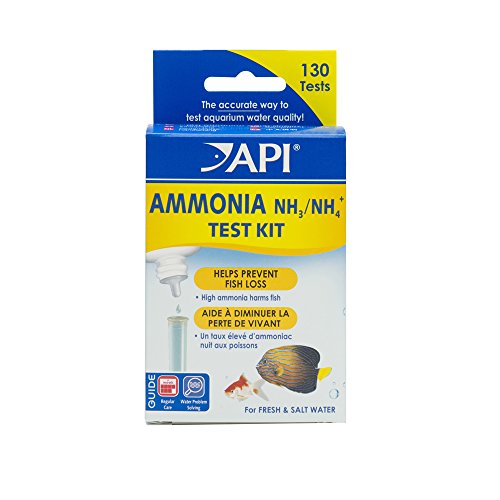
- Measures ammonia from 0 to 8 ppm
- Provides up to 130 tests
- Works with freshwater and saltwater aquariums
Best For: New tanks or focused ammonia troubleshooting
CO2 Monitoring Pick
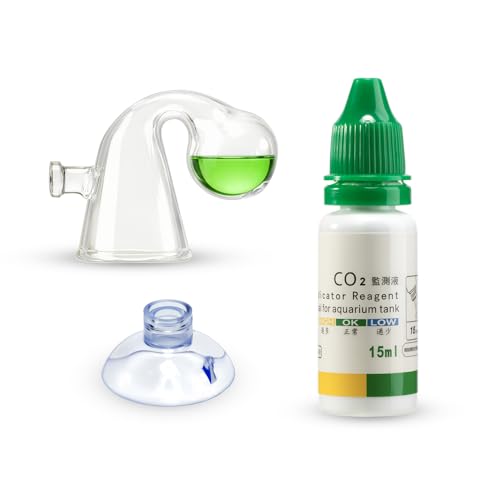
- Visual color-based CO2 monitoring
- Includes solution, dropper, and suction cup
- Glass chamber isolates indicator solution
Best For: Planted tanks using CO2 injection
Broad Coverage Pick

- Measures 11 aquarium water parameters
- Includes 150 strips and a color chart
- Works with freshwater and saltwater setups
Best For: Routine, broad-spectrum aquarium testing
App-Enabled Pick

- App-assisted readings from test strips
- Checks 10 key aquarium parameters
- Supports planted and multiple aquarium types
Best For: Hobbyists who prefer digital, app-guided testing
Best Overall Coverage – API Freshwater Master Test Kit
API Freshwater Master Test Kit 800-Test Freshwater Aquarium Water Kit, White, Single, Multi-Colored
Check Price On AmazonFor aquarists comparing aquarium test kits for planted tanks, the API Freshwater Master Test Kit provides a broad liquid-testing setup for routine freshwater monitoring. It checks pH, high-range pH, ammonia, nitrite, and nitrate—key readings for spotting common water-quality problems.
Best For: Freshwater planted tanks needing comprehensive weekly monitoring of core water parameters.
Pros:
- Tests five vital freshwater parameters: pH, high-range pH, ammonia, nitrite, and nitrate.
- Includes seven testing-solution bottles, four tubes with caps, and a color card.
- Designed for weekly testing and troubleshooting water or fish problems.
Cons:
- For freshwater aquariums only.
- Does not include a phosphate test.
This is a practical all-around choice when you want liquid tests for the nitrogen cycle and pH in one freshwater kit. Planted-tank keepers who also want phosphate monitoring will need a separate test.
Best CO2 Monitor – Pawfly Glass CO2 Drop Checker
CO2 management is central to many planted aquariums, and this Pawfly drop checker adds a dedicated way to observe carbon-dioxide balance. It uses reagent color changes to indicate whether CO2 appears insufficient, balanced, or excessive.
Best For: Planted-tank owners running CO2 who want a simple visual indicator inside the aquarium.
Pros:
- Includes curved glass tubing, reagent solution, and two suction cups.
- Color coding is straightforward: blue indicates insufficiency, green indicates balance, and yellow warns of excess.
- Clear glass and secure suction cups support easy viewing and mounting.
Cons:
- Monitors CO2 only rather than pH, ammonia, nitrite, or nitrate.
- Results appear in about two hours, so it is not an instant reading.
This is a specialized companion rather than a complete water test kit. It fits planted aquariums where CO2 adjustment is a priority and a continuous visual check is useful.
Best Quick Checks – API 5-in-1 Test Strips
API 5-in-1 Test Strips Freshwater and Saltwater Aquarium Test Strips 25-Count Box
Check Price On AmazonFor fast screening, these API strips offer a convenient option among aquarium test kits for planted tanks. A single dip checks pH, nitrite, nitrate, carbonate hardness, and general hardness, making the format suitable for regular checks with minimal setup.
Best For: Aquarists who prioritize quick weekly freshwater or saltwater screening over liquid-reagent testing.
Pros:
- Checks five readings: pH, nitrite, nitrate, carbonate hardness, and general hardness.
- Simple dip-and-compare process for fast results.
- Suitable for both freshwater and saltwater aquariums.
Cons:
- Contains 25 test strips, fewer tests than the larger liquid kits in this roundup.
- Does not test ammonia or phosphate.
These strips are convenient for routine trend checks and quick maintenance decisions. If ammonia monitoring is important for a new or unstable aquarium, pair them with a separate ammonia test.
Best Parameter Mix – Pawfly 5-in-1 Master Test Kit
This Pawfly liquid master kit is a strong match for planted-tank keepers who want phosphate included alongside the nitrogen-cycle basics. It tests pH, nitrite, nitrate, ammonia, and phosphate, with enough stated measurements for months of regular monitoring.
Best For: Freshwater or marine aquariums where ammonia and phosphate tracking are both priorities.
Pros:
- Tests pH, nitrite, nitrate, ammonia, and phosphate.
- Provides 265 total measurements across the five parameters.
- Uses liquid reagents and color-matching charts for more detailed testing than strips.
Cons:
- Instructions specify use by adults 18 years and older.
- Does not include a dedicated CO2 test or drop checker.
Its parameter selection is especially useful for planted tanks where phosphate is part of nutrient management. The freshwater-and-saltwater application also makes it flexible, though CO2 monitoring requires a separate tool.
Hardness Specialist – API GH & KH Test Kit
For planted-tank keepers choosing aquarium test kits for planted tanks, this API kit focuses on GH and KH rather than broad water screening. It is useful for checking mineral content and carbonate hardness so freshwater conditions better match the needs of fish and plants.
Best For: Weekly monitoring of GH and KH in freshwater planted aquariums.
Pros:
- Accurately measures GH and KH in freshwater aquariums.
- Helps identify hardness conditions that may stress fish or affect plants.
- Includes two testing-solution bottles and two capped test tubes.
Cons:
- Tests only GH and KH, so it does not provide ammonia, nitrate, nitrite, or pH readings.
- Requires liquid testing and comparison rather than a quick strip format.
This is a focused choice when hardness is the main concern. Pair it with tests for other water parameters if you want a complete planted-tank monitoring routine.
All-in-One Strips – EASYTEST 8-Way Aquarium Test Strips
These EASYTEST strips are a convenient option among aquarium test kits for planted tanks when you want several readings in one check. The 8-way format covers pH, hardness, alkalinity, chlorine, nitrate, nitrite, carbonate, and ammonia nitrogen, making it suitable for routine at-home screening.
Best For: Aquarists who want fast, broad checks across planted, freshwater, shrimp, or marine systems.
Pros:
- Tests eight core water metrics with one strip.
- Provides 50 strips and a graded color chart.
- Uses a three-step process, with most readings available at 15 seconds and nitrate and nitrite at 60 seconds.
- Designed for freshwater, saltwater, shrimp tanks, planted tanks, and ponds.
Cons:
- The ammonia pad must be cut off for accurate ammonia testing.
- Color-based readings may require careful timing and comparison.
This is the most versatile and convenient option of the three for regular screening. It offers broad coverage without extra equipment, though focused liquid tests may be preferable when investigating a specific problem.
Ammonia Monitor – API Ammonia 130-Test Kit
For planted-tank owners prioritizing ammonia control, this API liquid kit offers a dedicated reading rather than a broad panel. It measures ammonia from 0 to 8 ppm and is particularly practical during aquarium startup, when ammonia should be checked several times a week.
Best For: New aquariums and established tanks needing regular, focused ammonia monitoring.
Pros:
- Provides up to 130 ammonia tests.
- Reads ammonia from 0 to 8 ppm.
- Suitable for both freshwater and saltwater aquariums.
- Liquid testing uses a detailed procedure with a five-minute color-development period.
Cons:
- Tests ammonia only, so other planted-tank parameters require separate kits.
- Results take several steps and five minutes to develop.
This is a strong specialized tool for detecting ammonia from fish waste, uneaten food, or decaying material. It makes the most sense as part of a broader testing setup or when ammonia is the parameter you are actively troubleshooting.
CO2 Monitoring Pick – Novique Glass Drop Checker
For planted-tank keepers who already use carbon dioxide, this Novique drop checker adds focused CO2 monitoring to a broader aquarium test-kit routine. Its color-changing indicator helps show whether CO2 is insufficient, balanced, or excessive.
Best For: Planted aquariums using CO2 injection and hobbyists who want a simple visual monitor.
Pros:
- Provides visual blue, green, light-green, and yellow CO2 indications.
- Uses a glass chamber that keeps the indicator solution isolated from aquarium water.
- Includes indicator solution, a dropper, and a suction cup.
- High-borosilicate glass is designed for durability and clear viewing.
Cons:
- Monitors CO2 only rather than a broad range of planted-tank water parameters.
- Requires about two hours of standing time before reading.
- Users must add approximately 20 drops of solution and position the opening downward.
This is a specialized companion rather than a complete aquarium test kit for planted tanks. It is most useful when CO2 management is a central part of your plant-care routine.
Broad Coverage Pick – 11-in-1 Aquarium Test Strips
This 11-in-1 strip kit is a practical choice for shoppers seeking broad aquarium test kits for planted tanks. It checks ammonia, pH, hardness, chlorine, nitrogen compounds, alkalinity, copper, iron, and temperature with a simple dip-and-compare process.
Best For: Beginners and routine testers who want many freshwater or saltwater parameters in one strip-based kit.
Pros:
- Tests 11 parameters, including ammonia, pH, GH, KH, nitrate, and nitrite.
- Includes 150 strips, with portions stored separately to help maintain freshness.
- Color charts support quick at-home readings without liquid reagents.
- Includes testing tubes and an instructional eBook.
Cons:
- Strip results require color-chart comparison rather than digital readings.
- The notes recommend using opened strips within three months for maximum accuracy.
- It does not specifically measure CO2 concentration.
For general planted-tank maintenance, this kit offers extensive parameter coverage and a large strip supply. Pair it with a dedicated CO2 monitor if your aquarium relies on injected carbon dioxide.
App-Enabled Pick – DROPLYTIX Digital Test Kit
For shoppers who prefer app-based readings, this 10-in-1 kit brings digital guidance to aquarium test kits for planted tanks. Dip a strip, scan it with the DROPLYTIX app, and review readings for key parameters such as ammonia, nitrate, nitrite, pH, GH, KH, and chlorine.
Best For: Aquarium keepers who want app-assisted results and support for planted, freshwater, saltwater, reef, or shrimp tanks.
Pros:
- Uses an app to provide digital results without manually matching printed colors.
- Checks core cycling and water-quality parameters, including ammonia and nitrogen compounds.
- Supports planted aquariums along with freshwater, saltwater, reef, shrimp, and other setups.
- Designed for routine maintenance, water changes, and aquarium cycling.
Cons:
- Requires the DROPLYTIX mobile app for its digital scanning workflow.
- The supplied details list test strips and the app but do not specify the strip count.
- It does not specifically measure CO2 concentration.
This is a convenient modern option for users comfortable with smartphone-assisted testing. It covers many important planted-tank parameters, but CO2 users will still need a separate CO2 monitor.
How We Picked the Best Aquarium Test Kits for Planted Tanks
We focused on kits that cover the measurements most useful in planted aquariums: ammonia, nitrite, nitrate, pH, general hardness (GH), carbonate hardness (KH), and, when relevant, CO2. We also considered test format, stated test count, ease of use, freshwater compatibility, and whether a kit is better suited to routine screening or troubleshooting.
No single product measures everything perfectly. Liquid reagent kits generally offer more controlled results, while strips are faster and simpler for frequent checks. CO2 drop checkers are complementary tools rather than complete water-test kits, since they monitor dissolved CO2 indirectly and do not replace ammonia, nitrate, or hardness testing.
Quick Comparison
- Broad liquid testing: The API Freshwater Master Test Kit is designed for core freshwater parameters and is a practical foundation for many planted tanks.
- Fast routine checks: API 5-in-1, Pawfly 5-in-1, EASYTEST 8-way, and 11-in-1 strips offer quick screening with minimal equipment.
- Targeted chemistry: API GH & KH and API Ammonia kits make sense when hardness or ammonia needs closer attention.
- CO2 monitoring: The Pawfly and generic glass drop checkers help monitor planted-tank CO2 trends when used with the included or compatible indicator solution.
- Digital convenience: The app-enabled 10-in-1 kit may appeal to users who prefer guided readings and digital recordkeeping.
Key Buying Factors for Aquarium Test Kits for Planted Tanks
Parameters and Coverage
Choose a kit based on your actual maintenance needs. New tanks and recently disturbed filters benefit from ammonia and nitrite testing. Established planted tanks often need nitrate, pH, GH, and KH tracking. KH is particularly useful when pH stability and CO2 injection are concerns, while GH helps assess mineral availability for plants and livestock.
Strips Versus Liquid Reagents
Test strips are convenient and quick, but pad timing, lighting, storage, and color matching can affect interpretation. Liquid kits take longer and require measuring drops accurately, yet they can be easier to read when following the instructions carefully. For important decisions—such as adding fish or investigating losses—confirm questionable strip results with a more targeted liquid test.
CO2 and Planted-Tank Safety
A drop checker is useful for observing whether CO2 levels are broadly consistent, but it is not a direct precision meter. Allow time for the indicator to respond, keep the solution fresh, and avoid treating color alone as a guarantee of safe conditions. Fish behavior and adequate surface movement still matter.
Test Count, Storage, and Repeatability
Compare the number of tests realistically available for the parameters you use most. Reagents and strips should be stored as directed, kept dry, and checked for expiration. Consistent sampling and testing at similar times make trends more useful than isolated readings.
Who Should Buy Which Aquarium Test Kits for Planted Tanks?
- New planted-tank owners: Start with a broad freshwater kit that includes ammonia, nitrite, nitrate, and pH, then add GH/KH testing if your water or livestock requires it.
- Experienced aquascapers using injected CO2: Pair a core water-testing kit with a glass drop checker and regular KH checks.
- Busy or maintenance-focused aquarists: Choose test strips for quick weekly screening, while keeping a liquid ammonia or broad-coverage kit for confirmation.
- Hard-water or soft-water specialists: Prioritize a dedicated GH/KH kit instead of relying only on multi-parameter strips.
- Data-oriented users: An app-enabled digital kit can simplify logging, but verify unusual readings with a dependable secondary method.