Cold water demands more than a water-resistant shell. The best drysuits for cold water help keep you dry while allowing enough mobility for paddling, sailing, diving, fishing, and other demanding activities.
This roundup compares 10 options across waterproof breathable suits, lightweight paddling designs, reinforced recreational models, and insulated semi-dry diving suits. Use the guide below to match construction, fit, and features to your conditions.
Best 10 Drysuits for Cold Water Picks for 2026
Offshore Performance Pick

- Three-layer waterproof-breathable construction
- Windproof design with taped seams
- Reinforced knees, seat, and fabric socks
Best For: Offshore sailing and severe weather
Warmth-Focused Diving Pick
Hollis NeoTek V2 Semi-Dry Suit
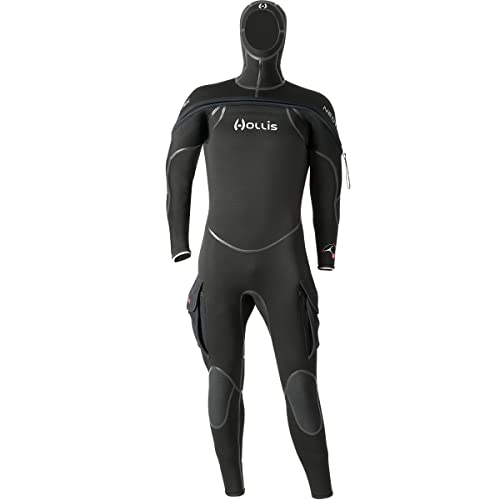
- Thick 8/7/6 mm neoprene construction
- ThermaSkin liner for added warmth
- Internal dams at neck, wrists, and ankles
Best For: Cold-water scuba diving
Versatile Kayaking Value

- Waterproof three-layer nylon construction
- Removable hood and protective pads
- Relaxed fit accommodates thermal layers
Best For: Kayaking, rafting, and touring
Easy-Entry Cold-Water Choice

- Ergonomic front zipper for self-entry
- Integrated waterproof socks and latex seals
- Reinforced knees and seat for durability
Best For: Kayaking, rafting, and active paddling
Neoprene Semidry Pick

- Thick 8/7/6mm neoprene
- Horizontal front zipper
- Internal bib design
Best For: Adult cold-water divers wanting substantial neoprene insulation
Kayaking Protection Pick
- Waterproof breathable nylon shell
- Latex gaskets and fabric socks
- Pockets, hood, and relief zipper
Best For: Cold-water paddlers needing layered comfort and practical storage
Lightweight Paddling Pick
Front-Entry Lightweight Dry Suit

- Lightweight breathable three-layer shell
- Waterproof front-entry zipper
- Integrated socks and adjustable seals
Best For: Cold-water paddling and boating with flexible layering needs
Rugged Relief-Access Pick

- Three-layer waterproof, breathable shell
- Relief zipper simplifies restroom access
- 600D Nylon reinforcement at key wear zones
Best For: Kayakers and rafters prioritizing durability and convenient access
Lightweight Comfort Pick
- Lightweight 2.6-pound construction
- Adjustable latex seals and cuffs
- Integrated three-ply socks with relief-access zipper
Best For: Paddlers and boaters wanting adjustable lightweight coverage
Extended-Size Touring Pick
- Available in an XX-Large relaxed fit
- Lightweight three-layer waterproof shell
- Adjustable closures and integrated three-ply socks
Best For: Larger-built paddlers and touring-focused water-sport users
Offshore Performance Pick – Men's Pro Drysuit
For sailors who need dependable drysuits for cold water, this Pro Drysuit combines three-layer waterproof-breathable fabric with windproof protection. Fully taped seams, a waterproof front zipper, and durable fabric socks help protect against spray, immersion, and harsh weather.
Best For: Offshore and inshore sailing, stormy conditions, and demanding deck work.
Pros:
- XPLORE+ three-layer fabric is waterproof, breathable, and windproof.
- Fully taped seams and a YKK Aquaseal front zipper help limit water entry.
- Reinforced knees and seat improve durability in high-wear areas.
- Adjustable suspenders, stretch waist, cargo pocket, and fabric socks add practical usability.
Cons:
- Listed in a regular fit, so layering space may be less generous than a relaxed-fit suit.
- At 3 pounds, it may feel heavier than minimalist alternatives.
This is a feature-rich choice for sailors prioritizing weather protection and long-term durability. The trimmed neck and cuff seals and adjustable interior fit help make it suitable for extended time on the water.
Warmth-Focused Diving Pick – Hollis NeoTek V2 Semi-Dry Suit
The Hollis NeoTek V2 takes a different approach from shell-style drysuits for cold water, using thick 8/7/6 mm neoprene and a hooded full-body design. Its stretch construction, internal dams, and ThermaSkin liner are aimed at warmth and comfort during scuba diving.
Best For: Cold-water scuba divers who prefer a thick neoprene semi-dry suit.
Pros:
- 8/7/6 mm neoprene provides substantial insulation.
- ThermaSkin inner liner adds a warmth-focused interior.
- Internal neck, wrist, and ankle dams help reduce water circulation.
- Front G-lock horizontal zipper includes an internal bib.
Cons:
- This is a semi-dry suit, not a fully waterproof shell drysuit.
- The 8 mm thickness may feel bulkier and less flexible than thinner suits.
- It is specifically positioned for scuba diving rather than general paddling or sailing.
Choose this model when thermal insulation is the priority and scuba diving is your main activity. Its recycled-neoprene production approach is also a useful sustainability detail.
Versatile Kayaking Value – Men's Rear-Entry Drysuit
This rear-entry model is a practical option for shoppers comparing drysuits for cold water across kayaking, rafting, and paddling. Its three-layer nylon construction, taped seams, latex gaskets, removable hood, and integrated fabric socks provide broad coverage for active water sports.
Best For: Kayaking, rafting, touring, sailing, and other cold-water activities where a relaxed fit is useful.
Pros:
- Three-layer nylon with fully taped seams is waterproof and breathable.
- Removable hood, latex neck and wrist gaskets, and fabric socks offer adaptable coverage.
- Removable knee and drop-seat pads help with abrasion protection and convenience.
- Two splashproof thigh pockets provide accessible storage.
Cons:
- Rear-entry design may be less convenient to put on independently than a front-entry suit.
- Latex gaskets can require careful handling and maintenance.
- Hand-wash-only care is less convenient than machine-washable options.
Its relaxed fit is well suited to wearing thicker thermal layers, while the hood, pads, pockets, and drop seat make it especially adaptable for kayaking and touring.
Easy-Entry Cold-Water Choice – Men's Front-Zip Drysuit
For paddlers seeking drysuits for cold water with straightforward entry, this PKEDW suit uses an ergonomic front zipper and integrated waterproof socks. Its breathable three-layer fabric, latex gaskets, reinforced seat and knees, and adjustable overskirt support active use in demanding conditions.
Best For: Kayaking, sailing, rafting, and paddling when self-entry and mobility matter.
Pros:
- Front zipper is designed for easier self-entry.
- Waterproof socks, latex gaskets, and zipper flaps help keep water out.
- Reinforced knees and seat improve abrasion resistance.
- Waist bungee, adjustable overskirt, and athletic fit support movement.
Cons:
- Latex neck and wrist seals may need careful handling.
- Hand-wash-only care requires more maintenance than machine-washable designs.
- The listed medium size and regular fit may not suit every wearer or layering preference.
Individually water-tested construction is a useful confidence feature, while the front-entry design and adjustable fit make this a convenient option for solo launches and active paddling.
Neoprene Semidry Pick – Hollis NeoTek 8/7/6mm
For divers seeking drysuits for cold water, the Hollis NeoTek uses thick 8/7/6mm neoprene for substantial insulation. Its horizontal front zipper and internal bib create a streamlined entry design for adult diving use.
Best For: Adult divers prioritizing thick neoprene insulation and a front-entry zipper design.
Pros:
- Thick 8/7/6mm neoprene construction.
- Horizontal front zipper for entry and closure.
- Internal bib is included in the design.
Cons:
- Neoprene construction may be less lightweight than a nylon shell.
- The supplied listing identifies a Large size, so fit availability should be checked.
This is a focused option for cold-water diving when material thickness is a priority. Verify sizing and intended use before purchase, since the supplied details identify it specifically as a full-body adult diving suit.
Kayaking Protection Pick – 3-Layer Rear-Entry Drysuit
Among drysuits for cold water, this Drryfsh model emphasizes waterproof, breathable coverage for kayaking and other paddle sports. Its three-layer nylon construction, taped seams, latex gaskets, and integrated fabric socks are designed for extended water exposure.
Best For: Kayaking, rafting, touring, and paddling in cold water when storage and adjustable layering matter.
Pros:
- Three-layer nylon with fully taped, welded seams.
- Latex neck and wrist gaskets plus fabric socks.
- Removable hood, relief zipper, overskirt, and two splashproof thigh pockets.
- Relaxed fit accommodates thicker thermal clothing.
Cons:
- Latex components may require careful maintenance and fit consideration.
- Hand-wash care is specified.
- The supplied listing identifies an X-Large size, so availability should be confirmed.
With practical coverage and storage features, this is a versatile choice for paddlers who need room for insulation layers. The relaxed cut and reinforced knee and seat panels also suit active use, while the rear-entry design should be considered against your preferred dressing setup.
Lightweight Paddling Pick – Front-Entry Lightweight Dry Suit
For lightweight drysuits for cold water, this Drryfsh one-piece uses a three-layer waterproof breathable nylon shell with a membrane finish. The front-enter waterproof zipper, integrated socks, adjustable seals, and relaxed fit support paddling, fishing, boating, and touring.
Best For: Adult paddlers and boaters looking for a lightweight, adjustable suit with front entry and multiple pockets.
Pros:
- Lightweight three-layer waterproof breathable nylon construction.
- Front-entry waterproof zipper provides access and relief convenience.
- Integrated three-ply socks help keep feet dry.
- Adjustable seals, waist webbing, and cuffs support a customized fit.
Cons:
- Low-stretch fabric may limit mobility compared with more flexible materials.
- Latex neck and wrist seals require proper sizing and care.
- The supplied listing identifies a Large size, so confirm fit before ordering.
This model stands out when lower weight and front-entry convenience are more important than a heavily insulated construction. Its relaxed fit can accommodate clothing layers, while sleeve and chest pockets add useful storage for water-based activities.
Rugged Relief-Access Pick – Reinforced Cold-Water Drysuit
Drryfsh Dry Suits for Kayaking,Drysuit for Cold Water Sailing Paddling Rafting (Large)
Check Price On AmazonFor paddlers comparing drysuits for cold water, this lightweight full suit focuses on waterproof construction, reinforced wear areas, and easier restroom access. Its three-layer laminate, taped seams, latex gaskets, and front-entry relief zipper make it a practical option for kayaking, rafting, and sailing.
Best For: Kayakers, rafters, and sailors who want reinforced coverage and convenient relief access.
Pros:
- Three-layer waterproof, breathable fabric with taped seams.
- Front-entry waterproof zipper includes a men’s relief zipper.
- 600D Nylon reinforces the knees, seat, and sock soles.
- Self-draining pockets and reflective shoulder patches add useful storage and visibility.
Cons:
- Latex neck and wrist gaskets may require careful sizing and maintenance.
- Hand-wash care may be less convenient than machine-washable alternatives.
- The listed garment has no stretch and a relaxed fit, so layering and sizing should be considered.
This suit stands out when durability and practical access matter more than a minimalist design. The reinforced panels and visibility details are especially useful for active cold-water outings, while the 3.3-pound weight remains reasonable for a full drysuit.
Lightweight Comfort Pick – Green Men’s Drysuit
Among drysuits for cold water, this lightweight one-piece model emphasizes adjustability and easy movement for paddling, fishing, boating, and touring. A three-layer nylon shell, front-entry waterproof zipper, and integrated three-ply socks provide broad coverage without the listed 2.6-pound suit feeling overly heavy.
Best For: Paddlers and boaters seeking a lightweight suit with adjustable seals, cuffs, and waist fit.
Pros:
- Lightweight 2.6-pound design with a three-layer waterproof nylon shell.
- Trimmable latex seals and adjustable waist, wrist, and ankle closures support customization.
- Front-entry waterproof zipper provides relief access and easier dressing.
- Integrated three-ply socks and multiple pockets improve cold-water practicality.
Cons:
- Latex seals may need trimming and careful fit adjustment.
- The no-stretch fabric may feel less forgiving during layering or active movement.
- Machine-wash care still requires attention to the latex and waterproof construction.
This is a strong everyday option for users who value low weight and adjustability. Its pocket layout and built-in socks add convenience, while the manufacturer states that each suit is fill tested for dryness.
Extended-Size Touring Pick – XXL Men’s Drysuit
For shoppers looking at drysuits for cold water in a larger size, this XX-Large one-piece suit combines a lightweight three-layer nylon shell with low-stretch construction and a relaxed fit. It is designed for kayaking, paddling, rafting, sailing, and other water sports, with adjustable closures and integrated socks for added coverage.
Best For: Larger-built paddlers who need an XX-Large, relaxed-fit suit for touring and water sports.
Pros:
- XX-Large size with a relaxed fit and positive fit-to-size sentiment in the listing.
- Three-layer waterproof nylon shell is designed for durability and abrasion resistance.
- Adjustable waist, wrist, and ankle closures help personalize the fit.
- Front-entry zipper includes relief access, while three-ply socks help keep feet dry.
Cons:
- Low-stretch fabric makes accurate sizing especially important.
- Latex neck and wrist seals may require trimming for the intended fit.
- The green letter-print styling may not suit shoppers seeking a more understated appearance.
This version is most useful when size availability is the deciding factor. It retains the same practical waterproof features as the lightweight model while offering an XX-Large relaxed fit for cold-water paddling and touring.
How We Picked the Best Drysuits for Cold Water
We focused on the features that matter most when exposure, immersion, and changing weather are real concerns: waterproof construction, seam protection, material durability, breathability, mobility, closure design, and compatibility with insulating layers. We also considered the intended activity, since a suit for kayak touring may prioritize lightweight movement while a dive-oriented model needs substantial thermal protection.
Because sizing and construction details can vary, verify the manufacturer’s chart and the exact product specifications before buying. A drysuit should fit comfortably over the layers you expect to wear without restricting your stroke, reach, or ability to sit and bend.
Quick Comparison
| Best For | Look For | Typical Priority |
|---|---|---|
| Kayaking and paddling | Lightweight breathable fabric, articulated fit, durable seat and knees | Mobility and comfort |
| Sailing and boating | Waterproof shell, wind protection, adjustable seals | Weather coverage |
| Cold-water diving | Thicker insulation, hood compatibility, robust seals | Thermal protection |
| Fishing and touring | Room for layers, pockets, reinforced panels | Versatility and durability |
Key Buying Factors for Drysuits for Cold Water
Waterproofing and Seams
Check the fabric rating, zipper placement, and seam treatment. Waterproof-breathable materials can reduce internal condensation during active use, while fully sealed seams and a dependable entry zipper are essential for immersion protection.
Insulation and Layering
Most shell drysuits provide little warmth by themselves. Plan for a base layer and appropriate fleece or synthetic insulation underneath. Semi-dry or neoprene models may offer more built-in thermal protection but can be heavier and less versatile.
Neck, Wrist, and Ankle Seals
Latex seals generally provide a tighter barrier, while neoprene seals may offer improved comfort and warmth. Seals should be snug without causing numbness, chafing, or restricted circulation. Replaceable seals can extend the suit’s useful life.
Fit, Mobility, and Reinforcement
Test the range of motion needed for your activity. Reinforced knees, seat panels, and high-wear areas are valuable for kayaking, rafting, and deck work. A relief zipper can also make longer outings more practical.
Who Should Buy Which Drysuits for Cold Water?
Choose a lightweight breathable suit if you primarily paddle, tour, fish, or participate in active water sports and need freedom of movement. Select a reinforced front-entry model if you frequently sit, kneel, or contact abrasive surfaces. For diving or exceptionally cold conditions, a thicker semi-dry design with strong seals and room for thermal layers is usually the better choice.
Before purchasing, confirm the size range, entry method, zipper maintenance requirements, included accessories, and whether the suit is intended for immersion, surface sports, or both. The right drysuit is the one that seals reliably, accommodates your insulation, and remains comfortable throughout the activity—not simply the one with the thickest material.