The best lightweight wading boots help you move confidently through slippery rivers and uneven streambeds without making every step feel like a workout. This roundup compares 10 options across felt, rubber, cleated, and interchangeable sole designs.
Whether you need dependable grip for rocky trout streams, a lighter boot for flats fishing, or an affordable pair for occasional fly-fishing trips, use the guide below to narrow your choices by traction, fit, protection, and intended use.
Best 10 Lightweight Wading Boots Picks for 2026
Lightweight Traction Pick

- Felt or cleated sole options
- Water-draining mesh and PVC upper
- Cushioned ankle-high fishing boot
Best For: Anglers needing lightweight traction choices for varied stream conditions
Interchangeable Sole Pick
Korkers Greenback Wading Boots

- Felt and Kling-On soles included
- OmniTrax 3.0 interchangeable system
- Hydrophobic, water-draining construction
Best For: Anglers who want adaptable traction and quicker drying
Studded Riverbank Pick
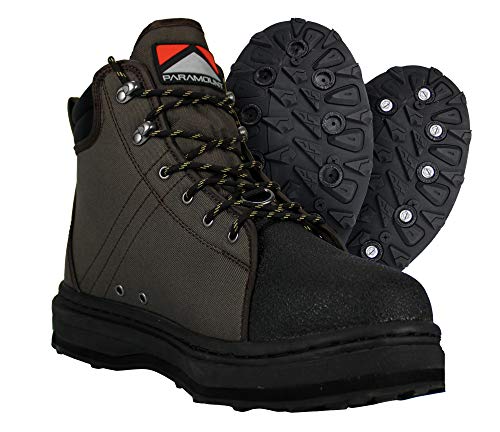
- Cleated outsole with included steel studs
- Reinforced toe and stiff midsole
- Designed for stockingfoot wader booties
Best For: Fly anglers needing protective traction on slick river terrain
Reef Protection Pick
Foreverlast Ray-Guard Reef Boots
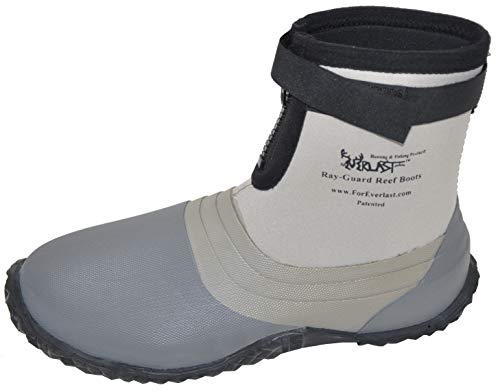
- Four-layer hard vulcanized rubber sole
- Vented, grit-limiting drainage system
- Lightweight with ankle support and zipper
Best For: Reef, river-bottom, and boat-deck use where protection matters
Ultra-Light Performance
Korkers Chrome Lite Wading Boot

- Sticky rubber grip for wet and dry rock
- Boa closure for quick, custom adjustment
- Hydrophobic, flexible protective construction
Best For: Rocky rivers and anglers prioritizing mobility
All-Day Trail Comfort
Foxelli Lightweight Wading Boots

- 1.3 pounds per boot with cushioned insoles
- Drain ports and slip-resistant rubber tread
- Roomy fit designed for stockingfoot waders
Best For: Long hikes and mixed trail-to-river use
Flexible Sole Choice
Raprance Felt and Rubber Wading Boot
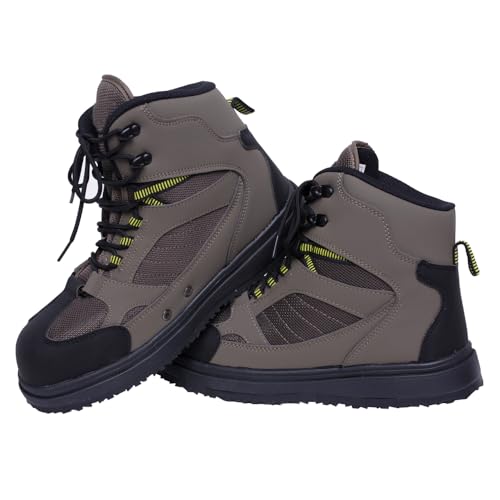
- Felt option for slick, algae-covered rocks
- Rubber option for mud, gravel, and trails
- Drainage ports and reinforced toe and heel
Best For: Fly fishers choosing traction by river conditions
Kylebooker Lightweight Wading Boots

- Breathable, quick-draining mesh upper
- Reinforced toe and heel protection
- Non-slip rubber sole with padded ankle collar
Best For: Fly anglers wanting breathable boots with general-purpose traction
Foreverlast Lightweight Wading Boots
Neoprene Flats for Shore Access
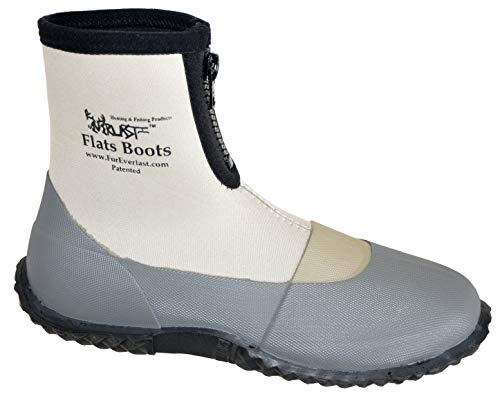
- Lightweight neoprene and rubber construction
- Hard sole with vulcanized rubber layer
- Roomy instep and comfort-focused gusset
Best For: Beach, boat-deck, and suitable surf wading
BASSDASH Lightweight Wading Boots

- Grippy rubber outsole with cushioned EVA midsole
- Reinforced toe and heel with double-stitched seams
- Drainage holes and quick-entry pull-straps
Best For: Anglers prioritizing support, durability, and easier drying
Lightweight Traction Pick – FROGG TOGGS Hellbender
For anglers comparing lightweight wading boots, the FROGG TOGGS Hellbender stands out for its water-draining mesh and PVC upper, cushioned polyurethane midsole, and choice of felt or cleated soles. The ankle-high design uses speed laces with a locking clip for a quick, secure fit.
Best For: Anglers who want a lightweight boot with selectable felt or cleated traction for wet rocks, gravel, mud, and debris.
Pros:
- Available with felt or cleated soles for different fishing environments.
- Lightweight mesh and PVC upper helps drain water while toe and heel caps add protection.
- Padded ankle collar, wide wading last, and polyurethane midsole support comfort and stability.
- Speed laces and locking lace clip make fitting quick and secure.
Cons:
- The listed water-resistance level is not water resistant.
- Only a 60-day manufacturer warranty is specified.
The Hellbender is a practical, budget-minded option when low weight, drainage, and sole choice matter more than waterproofing. Choose the sole style based on your usual streambed conditions.
Interchangeable Sole Pick – Korkers Greenback Wading Boots
The Korkers Greenback is a versatile choice among lightweight wading boots, pairing interchangeable felt and Kling-On sticky rubber soles with the OmniTrax 3.0 system. Internal drainage channels and hydrophobic materials are designed to reduce retained water and speed drying.
Best For: Anglers who want to switch traction systems and prioritize drainage and faster drying between outings.
Pros:
- Includes plain felt and Kling-On sticky rubber soles.
- OmniTrax 3.0 supports compatible Korkers accessory outsoles.
- Internal channels and midsole ports help remove excess water and weight.
- Hydrophobic materials promote faster drying and may help lessen invasive-species spread.
Cons:
- At 2 pounds 7 ounces per pair in size 9, it is not the lightest option listed.
- Korkers recommends going up a size from a normal street-shoe size.
The Greenback’s strongest advantage is adaptability: one boot can accommodate different sole setups. Its drainage-focused construction is useful for anglers moving between water systems, though sizing and pair weight deserve attention.
Studded Riverbank Pick – Paramount Outdoors Stonefly
Paramount Outdoors Stonefly Cleated Sole Wading Boot, Rubber Bottom Wading Shoe (11)
Check Price On AmazonThe Paramount Outdoors Stonefly is a supportive option for anglers seeking lightweight wading boots with cleated traction and included steel studs. Its reinforced toe, stiff midsole, padded collar, and heel pull are geared toward protection and practical river use.
Best For: Fly anglers using stockingfoot waders who need customizable traction on moving water, slick rocks, and muddy banks.
Pros:
- Cleated rubber outsole includes recessed stud points and steel wading studs.
- Studs can be worn with or without the cleated setup.
- Reinforced Rock Jam toe cap and stiff midsole improve protection.
- Padded collar, heel pull, speed laces, and gravel-guard attachment point aid fit and convenience.
Cons:
- The listed water-resistance level is not water resistant.
- Designed for stockingfoot wader booties rather than general standalone use.
Stonefly is a focused river boot for users who value underfoot protection and configurable stud traction. Because it is designed around stockingfoot waders, match it with the rest of your wading system before ordering.
Reef Protection Pick – Foreverlast Ray-Guard Reef Boots
For lightweight wading boots suited to reef and river-bottom use, the Foreverlast Ray-Guard Reef combines a hard sole with four layers of vulcanized rubber. A vented sole, SD drainage system, and hook-and-loop cuff with zipper support water management, fit, and protection.
Best For: Anglers and boat users navigating uneven, sharp, or potentially hazardous underwater terrain.
Pros:
- Four-layer vulcanized rubber sole helps protect against sharp terrain and underwater creatures.
- Vent and SD system allow water out while helping keep rock and grit from entering.
- Lightweight construction includes strong ankle support.
- Hook-and-loop cuff and zipper provide a secure, adjustable fit.
Cons:
- The pull-on closure may offer less traditional lace-up adjustability.
- The platform heel and snow-boot form may feel less like a conventional wading shoe.
The Ray-Guard Reef is less about interchangeable traction and more about hard-soled protection, drainage, and comfort around reefs or boat decks. It is a strong fit when terrain protection is the primary concern.
Ultra-Light Performance – Korkers Chrome Lite Wading Boot
If you want lightweight wading boots with flexible movement and rock-focused traction, the Korkers Chrome Lite is built around a sticky Kling-On Rock rubber outsole. Its hydrophobic materials, quick Boa closure, and protective Exo-Tec construction make it a practical choice for anglers who value mobility and faster drying.
Best For: Anglers fishing rocky rivers who want a flexible, lightweight boot with quick adjustment and optional cleat compatibility.
Pros:
- Sticky Kling-On Rock outsole provides grip on wet and dry rock.
- Boa M4 Fit System enables quick on/off and adjustable fit.
- Hydrophobic materials support faster drying and help reduce invasive-species transfer concerns.
- Stretch wrap cuff and molded protection balance comfort with abrasion resistance.
Cons:
- Compatible screwin cleats are sold separately.
- Listed water-resistance level is not water resistant.
- At 4 pounds, it may not be the lightest option in this group.
The Chrome Lite stands out when traction on rock, flexible construction, and convenient fit adjustment matter most. Consider the separate cleat cost and listed weight before choosing it for long approaches.
All-Day Trail Comfort – Foxelli Lightweight Wading Boots
Foxelli Wading Boots – Lightweight Fly Fishing Boots for Men, Rubber Sole Wading Shoes
Check Price On AmazonFor anglers comparing lightweight wading boots for hikes and long days in the river, Foxelli combines a 1.3-pound-per-boot design with cushioning and flexible materials. Drain ports, a roomy toe box, and slip-resistant rubber tread make these boots suited to changing terrain and wet conditions.
Best For: Anglers who need lightweight, comfortable boots for trails, riverbeds, and standard 2–3mm stockingfoot wader socks.
Pros:
- Weighs 1.3 pounds per boot and includes OrthoLite insoles with EVA midsoles.
- Slip-resistant rubber tread channels water and debris on uneven surfaces.
- Mesh drain ports help release water and reduce carried weight.
- Reinforced toe and heel areas improve protection on rugged trails.
Cons:
- Designed without insulation, so thicker socks may be needed in cold weather.
- Not fully waterproof; intended to pair with neoprene booties.
- Thicker 4–5mm socks may require ordering one size up.
Foxelli is a strong comfort-focused option for anglers who walk as much as they wade. Its drainage and cushioning are useful for active trips, while the lack of insulation makes sock selection important in colder conditions.
Flexible Sole Choice – Raprance Felt and Rubber Wading Boot
These lightweight wading boots give anglers a choice between felt and rubber cleated outsoles for different river conditions. The mesh and PVC upper includes drainage ports for quicker water release, while reinforced toe and heel areas add protection around submerged obstacles.
Best For: Fly fishers who want to choose felt for algae-covered rocks or rubber for gravel, mud, and rocky trails.
Pros:
- Felt sole targets traction on slick, algae-covered rocks.
- Rubber sole option suits gravel, mud, and rocky trails.
- Lightweight mesh and PVC upper includes drainage ports for quicker drying.
- Designed to fit over stockingfoot waders without sizing up.
Cons:
- Listed water-resistance level is not water resistant.
- At 1.51 kg, it is heavier than some lightweight alternatives listed here.
- Available sizing begins at US men’s 8 and ends at 14.
Raprance is appealing when outsole selection is central to your buying decision. Choose the felt version for algae-covered rock or rubber for more varied terrain, while keeping the listed weight and sizing range in mind.
Kylebooker Lightweight Wading Boots – Reinforced Ankle Traction
These lightweight wading boots combine a breathable, quick-draining mesh upper with reinforced toe and heel areas. Their non-slip rubber soles and padded ankle collar make them a practical option for fly fishing across varied wading conditions.
Best For: Fly anglers seeking lightweight, breathable boots with ankle support and rubber traction.
Pros:
- Lightweight, breathable, and designed to drain quickly.
- Reinforced toe and heel add foot protection.
- Non-slip rubber sole helps provide traction on mossy rocks, logs, and muddy bottoms.
- Wide collar fits well with waders.
Cons:
- Rubber soles may be less specialized than felt or studded options for certain surfaces.
- Listed as water repellent rather than fully waterproof.
The Kylebooker is a balanced choice for anglers prioritizing comfort, drainage, and general-purpose grip. Its ankle-high design and wader-friendly collar make it especially practical for routine fly-fishing trips.
Foreverlast Lightweight Wading Boots – Neoprene Flats for Shore Access
These lightweight wading boots use a neoprene and rubber construction with a hard sole bottom for basic protection around the beach, boat deck, or surf. A roomy instep and inner gusset support comfort during casual fishing and wading use.
Best For: Beach, boat-deck, and surf wading where a lightweight, water-resistant boot with a hard sole is suitable.
Pros:
- Very light at a listed 5 ounces.
- Hard sole includes a layer of vulcanized rubber.
- Roomy instep supports comfortable wear.
- Neoprene inner gusset adds comfort.
Cons:
- Notes recommend avoiding areas where urchins are likely.
- Water resistance is listed rather than waterproofing.
- Designed as an ankle-height boot, offering less coverage than taller wading footwear.
The Foreverlast Flats are a particularly simple, lightweight option for warm-weather access points and boat use. The supplied guidance makes clear they are better suited to environments without likely urchin hazards.
BASSDASH Lightweight Wading Boots – Durable Drainage and Grip
BASSDASH Men’s Wading Boots Lightweight Anti-Slip Rubber Sole Fly Fishing Wading Shoes
Check Price On AmazonThese BASSDASH lightweight wading boots pair a durable multi-material upper with a grippy rubber outsole, EVA midsole, and reinforced toe and heel caps. Integrated drainage holes, pull-straps, and removable insoles make them practical for repeated fishing use.
Best For: Anglers who want supportive lightweight boots with drainage, cushioning, and a durable construction.
Pros:
- Listed at 44 ounces per pair in size 8.
- Fish-logo-pattern rubber outsole is designed for grip while wading.
- EVA midsole provides cushioning and shock absorption.
- Drainage holes, pull-straps, and removable insoles simplify use and care.
Cons:
- At 1.81 kg in the listed details, it may not be the lightest option in this roundup.
- Requires air drying and should be kept away from prolonged sun and heat sources.
- Buyers need to consult the size guide for fit.
The BASSDASH stands out when support and durability matter as much as low weight. Its drainage features and removable insoles are useful for post-trip care, while the padded collar and EVA midsole add structure for longer outings.
How We Picked the Best Lightweight Wading Boots
We focused on the features that matter most when boots are worn with stockingfoot waders: overall weight, sole design, traction, water resistance, ankle support, durability, and compatibility with common fishing environments. The selection includes felt and rubber options, cleated soles, interchangeable sole systems, and lightweight designs intended for both freshwater and flats use.
Because no single sole works best everywhere, we also considered how each boot balances grip, walking comfort, protection from rocks, and ease of cleaning. Always check current product specifications, sizing information, and local regulations before buying.
Quick Comparison
| Best For | Look For | Recommended Sole Type |
|---|---|---|
| Mixed river conditions | Versatile traction and durable construction | Interchangeable or cleated |
| Rocky streambeds | Strong bite and underfoot stability | Felt or studded rubber |
| Wading in warmer flats | Low weight and quick-drying materials | Rubber or vulcanized rubber |
| Occasional fishing | Comfortable fit and reasonable price | Rubber or basic felt |
Key Buying Factors for Lightweight Wading Boots
Traction and Sole Material
Felt can provide excellent grip on wet, algae-covered rocks, while rubber soles are more versatile on trails, gravel, sand, and dry ground. Cleats or studs can improve purchase on difficult terrain but may be noisier, less comfortable for walking, and restricted in some waterways. Check local rules before choosing felt or metal-studded soles.
Weight and Comfort
Lightweight boots reduce fatigue during long approaches and repeated river crossings. Look for padded collars, secure lace systems, flexible uppers, and enough room for your wader bootie without excessive movement. A lighter boot is not automatically better if it sacrifices ankle support or underfoot protection.
Fit, Protection, and Durability
Choose a size based on the manufacturer’s guidance and leave enough space for the stockingfoot wader. Reinforced toe caps, supportive midsoles, and abrasion-resistant uppers help protect against rocks and snags. Also consider drainage and drying time if you fish frequently or travel between waterways.
Who Should Buy Which Lightweight Wading Boots?
Anglers who fish varied river conditions should prioritize interchangeable soles or versatile cleated designs. If your home water is dominated by slippery rocks, a felt or aggressively cleated option may offer the most confidence. For flats, shoreline fishing, and travel, lightweight rubber or vulcanized boots are often easier to walk in and maintain.
Budget-conscious or occasional anglers can choose a straightforward rubber or felt model with a comfortable fit. Frequent waders should spend more attention on construction, ankle support, sole replaceability, and long-term durability. Whichever pair you choose, wear them with your actual waders, break them in before a major trip, and rinse them after use to help extend their life.