The right waders keep you warm, dry, and mobile when fishing conditions turn cold or wet. Neoprene remains a practical choice for anglers who prioritize insulation, durability, and dependable waterproof coverage.
These 10 options include bootfoot and stockingfoot designs, varied insulation levels, and fits for both men and women. Use the guide below to compare construction, sizing, traction, and seasonal performance before choosing.
Best 10 Neoprene Fishing Waders Picks for 2026
Best All-Around Value
Foxelli 4mm Neoprene Chest Waders
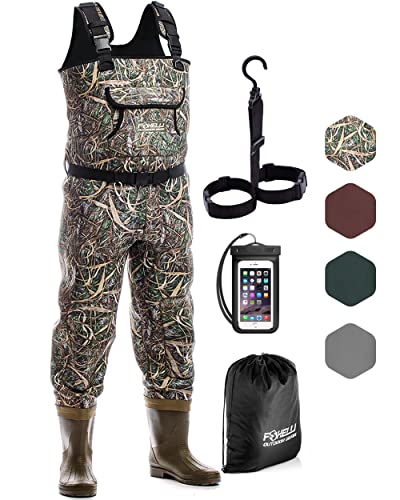
- Warm 4mm neoprene construction
- Sealed seams and reinforced knees
- Storage pockets, D-rings, and carry bag
Best For: Cold-water fishing and hunting with practical storage
Best for Deep-Water Wading
FROGG TOGGS Amphib 3.5mm Waders

- High-back design for deeper wading
- 600-gram Thinsulate insulated boots
- Triple-stitched, glued, and taped seams
Best For: Cold-weather deep-water fishing and hunting
Best for Reinforced Protection
4mm Neoprene Chest Waders with Boots
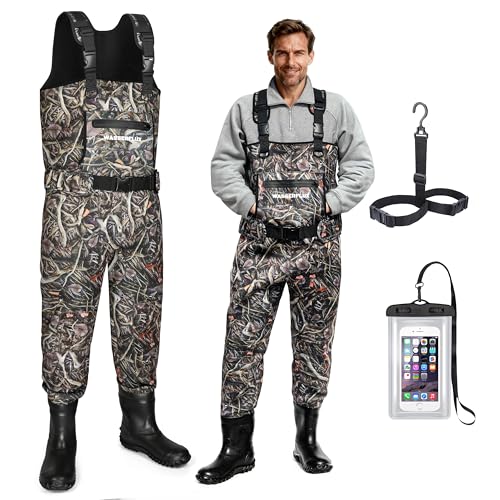
- Leak-tested 4mm neoprene construction
- 8mm reinforced knees and anti-slip soles
- Waterproof phone pouch and repair patches included
Best For: Cold streams with added knee and traction protection
Best Lightweight Alternative
GIEESHIELD Nylon/PVC Chest Waders

- 35% lighter than traditional rubber waders
- Waterproof nylon-reinforced PVC upper
- Waterproof phone case and boot hanger included
Best For: Long sessions where lighter weight matters more than insulation
Reliable Deep-Water Protection

- 3.5mm neoprene with sealed seams
- High-back design for deeper wading
- Pockets, D-rings, and gravel guards
Best For: Cold-water anglers who already have compatible wading boots
Warm Boot-Foot Value

- 4mm neoprene for cold-water warmth
- Attached anti-slip PVC boots
- Includes storage and drying accessories
Best For: Cold-water fishing and outdoor work with convenient boot-foot coverage
Maximum Cold Protection

- 4.5mm neoprene with stretch liner
- 600g 3M Thinsulate boot insulation
- Cleated soles and reinforced knees
Best For: Cold-weather fishing and hunting in slippery outdoor terrain
Breathable All-Season Pick
Simms Tributary Stockingfoot Waders

- Breathable waterproof layered polyester
- Comfortable neoprene stockingfeet
- Storage pockets and built-in gravel guards
Best For: Anglers seeking breathable stockingfoot chest waders
Warm Insulated Bootfoot Pick
HISEA 4.5mm Neoprene Chest Waders

- Heat-retaining 4.5mm neoprene
- 200-gram 3M Thinsulate boot insulation
- Cleated rubber boots and adjustable straps
Best For: Cold-weather fishing and hunting
Versatile Reinforced Value Pick
Trudave Neoprene Bootfoot Waders

- 4.0mm neoprene with stretch liner
- Stitched, glued, and taped seams
- Reinforced knees and anti-slip PVC boots
Best For: Multi-purpose fishing, hunting, and outdoor use
Best All-Around Value – Foxelli 4mm Neoprene Chest Waders
Foxelli Chest Waders, Waterproof 4mm Neoprene Hunting & Fishing Waders for Men & Women with Boots
Check Price On AmazonFor anglers comparing neoprene fishing waders, the Foxelli Chest Waders offer a warm 4mm construction, boot-foot convenience, and practical storage for routine fishing or hunting trips. Reinforced knees, sealed seams, and adjustable suspenders support comfortable use in rugged conditions.
Best For: Cold-water fishing and hunting when you want warmth, storage, and an easy-on boot-foot design.
Pros:
- 4mm neoprene helps provide insulation in cold water.
- Double-stitched, taped, and sealed seams support waterproof protection.
- Anti-slip PVC boots, reinforced knees, and adjustable suspenders add practical trail and wading support.
- Chest and interior pockets, D-rings, carabiners, and a carry bag improve organization.
Cons:
- The 4mm construction may feel warmer and less lightweight than thinner waders.
- Hand washing and careful air-drying are required for care.
This is a versatile pick for shoppers who want insulated neoprene fishing waders with useful extras rather than a minimalist setup.
Best for Deep-Water Wading – FROGG TOGGS Amphib 3.5mm Waders
The FROGG TOGGS Amphib is a strong option among neoprene fishing waders for deeper water and colder conditions. Its 3.5mm neoprene, high-back design, insulated boots, and taped seams focus on warmth, coverage, and dependable protection.
Best For: Deep-water wading and cold-weather fishing or hunting where boot insulation and a high back are priorities.
Pros:
- 3.5mm neoprene uses triple-stitched, glued, and taped seams for waterproof protection.
- 600-gram Thinsulate boots include a wool felt midsole and cleated outsole.
- High-back design and adjustable suspenders are suited to deeper wading.
- Zippered security storage, hand-warmer pockets, and D-rings add convenience.
Cons:
- At 10.4 pounds, this model is notably substantial to carry.
- Its listed size is 10, so shoppers should confirm sizing availability before ordering.
Choose this model when warmth and deep-water coverage matter more than minimizing overall weight.
Best for Reinforced Protection – 4mm Neoprene Chest Waders with Boots
These 4mm neoprene fishing waders emphasize tested waterproof construction, reinforced knees, and cushioned anti-slip boots. The adjustable fit and included phone pouch and repair patches make them a practical choice for anglers who want protection plus useful field accessories.
Best For: Cold streams and rivers, especially when knee reinforcement, traction, and accessory storage are important.
Pros:
- 4mm high-density neoprene is designed for cool-water comfort.
- Double stitching, adhesive, and heat-sealed seams support leak resistance.
- 8mm reinforced knees and deep-patterned soles add protection and traction.
- Includes a waterproof phone pouch, repair patches, and boot hanger.
Cons:
- The thicker construction may be less suitable for shoppers prioritizing minimum bulk.
- Its camo styling may not suit those seeking a solid-color design.
This model stands out for anglers who want a heavily reinforced boot-foot design with an accessory package ready for field use.
Best Lightweight Alternative – GIEESHIELD Nylon/PVC Chest Waders
Although they are not neoprene fishing waders, these lightweight nylon/PVC boot-foot waders are worth considering when reduced fatigue and easy packing are higher priorities than neoprene insulation. The two-ply upper, taped seams, waterproof phone case, and boot hanger support practical everyday use.
Best For: Long fishing, hunting, farming, or messy-work sessions where a lighter waterproof wader is preferred.
Pros:
- The nylon two-ply upper is 35% lighter than traditional rubber waders, according to the supplied product notes.
- Nylon-reinforced PVC and taped seams provide waterproof protection.
- Adjustable H-back suspenders, quick-release buckles, and a draw cord support a secure fit.
- Includes a waterproof phone case and boot hanger.
Cons:
- The chest pocket itself is not waterproof.
- The material has no stretch and does not provide the insulation associated with neoprene.
- Hand washing is required according to the care instructions.
If lightweight mobility matters more than cold-water warmth, this nylon/PVC alternative can be a practical complement to a neoprene-focused wader lineup.
Reliable Deep-Water Protection – Amphib Stockingfoot Wader
These FROGG TOGGS neoprene fishing waders are built for anglers who need dependable waterproofing and warmth in deeper water. The 3.5mm neoprene construction, high-back design, and stockingfoot booties make them a practical option for fishing, hunting, and aquatic research.
Best For: Cold-water wading where a stockingfoot design, deep-water coverage, and organized storage are priorities.
Pros:
- 3.5mm neoprene with triple-stitched, glued, and taped seams for waterproof protection.
- High-back chest design helps provide coverage in deeper water.
- Includes zippered security storage, quick-drain hand-warmer pockets, D-rings, and gravel guards.
- Adjustable suspenders and high-density neoprene booties support a customized fit.
Cons:
- Stockingfoot design requires separate wading boots.
- Hand-wash care may require extra maintenance.
This is a solid choice for buyers who prefer a flexible stockingfoot setup and want proven seam construction, useful pocketing, and a high-back profile for deeper wading.
Warm Boot-Foot Value – 4mm Neoprene Chest Waders
These 4mm neoprene fishing waders combine insulated chest-high coverage with attached PVC boots for a convenient boot-foot setup. Reinforced knees, sealed seams, adjustable suspenders, and included accessories make them suited to cold-water fishing and outdoor work.
Best For: Buyers seeking warm, easy-on boot-foot waders with storage and useful transport accessories.
Pros:
- 4mm neoprene provides warmth and insulation for cold-water activities.
- Attached PVC boots have anti-slip soles and warm neoprene lining.
- Double-stitched, taped, and sealed seams support waterproof protection.
- Includes a chest hand-warmer pocket, mesh pocket, D-rings, carry bag, phone case, and boot rack.
Cons:
- At 8.7 pounds, the listed weight may feel substantial during extended use.
- Loose fit may be less suitable for shoppers wanting a close, streamlined fit.
- Boot-foot construction offers less flexibility in changing footwear than stockingfoot waders.
For shoppers prioritizing warmth and convenience, this model offers an all-in-one boot-foot design with practical storage and several included extras, though its weight and loose fit are worth considering.
Maximum Cold Protection – 600G Insulated Neoprene Wader
These HISEA neoprene fishing waders are designed for demanding cold-weather use, pairing 4.5mm neoprene with 600-gram 3M Thinsulate Ultra insulation in the rubber boots. Bonded and taped seams, cleated soles, reinforced knees, and hunting-oriented storage add practical protection for fishing and hunting.
Best For: Cold-weather anglers and hunters who need heavily insulated boot-foot waders with traction and durable construction.
Pros:
- 4.5mm neoprene laminated to nylon jersey and stretch liner helps retain body heat.
- Rubber boots use 600-gram 3M Thinsulate Ultra insulation for added cold protection.
- Bonded, taped, and double-stitched seams help resist water intrusion.
- Cleated soles, reinforced knees, shell holders, and an organizing pocket support rugged outdoor use.
Cons:
- Heavy insulation may be warmer than needed for mild conditions.
- Cleated soles may be less versatile on surfaces where aggressive traction is unnecessary.
- Hand-wash care is required.
This model stands out for maximum insulation and rugged features rather than lightweight versatility. It is a strong match for cold, slippery environments where warmth, traction, and reinforced construction matter most.
Breathable All-Season Pick – Simms Tributary Stockingfoot Waders
If you want neoprene fishing waders with a breathable construction rather than a fully neoprene body, the Simms Tributary is a versatile stockingfoot option. Its layered polyester build combines a three-layer upper with a four-layer lower, while the anatomically shaped neoprene stockingfeet support comfortable wear throughout the day.
Best For: Anglers who want breathable chest waders with stockingfeet, organized storage, and adjustable waist security.
Pros:
- Breathable, waterproof layered polyester construction.
- Neoprene stockingfeet are anatomically engineered for comfort.
- Includes a fleece hand-warming pocket, zippered stash pocket, and integrated fly patch.
- Built-in gravel guards help keep debris out.
Cons:
- Stockingfoot design requires separate wading boots.
- Polyester construction may provide less inherent warmth than thick neoprene waders.
The Tributary is a practical choice for anglers who prioritize breathability and flexible layering. Its storage and gravel-guard details add everyday convenience, while the included wading belt helps create a secure fit.
Warm Insulated Bootfoot Pick – HISEA 4.5mm Neoprene Chest Waders
For cold-water outings, these neoprene fishing waders use 4.5mm neoprene to help retain body heat. The bootfoot design combines waterproof construction with insulated rubber boots, making this HISEA pair a convenient option when warmth and ready-to-wear traction matter.
Best For: Cold-weather fishing and hunting where insulated boots and substantial neoprene warmth are priorities.
Pros:
- Thick 4.5mm neoprene helps trap body heat.
- Boots include 200-gram 3M Thinsulate insulation.
- Bonded and taped seams are designed to help prevent water intrusion.
- Adjustable straps, quick-release buckles, and a wading belt support a customized fit.
Cons:
- Thicker neoprene can feel warmer and less breathable than lightweight breathable waders.
- Bootfoot construction offers less flexibility in changing footwear than stockingfoot waders.
- Buyers need to follow the size chart carefully.
Choose the HISEA when insulation is more important than lightweight breathability. Its 4.5mm neoprene, insulated rubber boots, and cleated soles are suited to chilly, wet conditions, while the reinforced construction is intended for extended use.
Versatile Reinforced Value Pick – Trudave Neoprene Bootfoot Waders
Trudave Chest Waders for Men & Women Waterproof,Fishing Neoprene Waders,Hunting Waders with Boots
Check Price On AmazonThese neoprene fishing waders pair a 4.0mm neoprene upper with waterproof boot construction for fishing, hunting, and other outdoor work. Reinforced knees, sealed seams, adjustable suspenders, and a zippered inner pocket make the Trudave a practical multi-use choice.
Best For: Outdoor users who want bootfoot neoprene waders for fishing, hunting, camping, farming, or ATV riding.
Pros:
- 4.0mm neoprene upper includes a tough shell and stretch liner.
- Triple-finished seams are stitched, glued, and taped for added water protection.
- Lightweight PVC boots have anti-slip soles for muddy or slippery surfaces.
- Reinforced knees and an inner zippered pocket add practical protection and storage.
Cons:
- Boots are PVC rather than insulated rubber.
- Medium-weight neoprene may be warmer and less breathable than lightweight wader fabrics.
- Size-chart guidance is important before ordering.
The Trudave stands out for its broad-use design and reinforced construction. It offers substantial neoprene warmth, traction-focused PVC boots, and multiple fit and storage features without requiring separate wading footwear.
How We Picked the Best Neoprene Fishing Waders
We focused on the features that matter most in real fishing and hunting conditions: neoprene thickness, waterproof construction, boot design, insulation, mobility, storage, and available sizing. The lineup includes classic 4mm chest waders for cold water, insulated models for winter use, lighter nylon/PVC alternatives, and stockingfoot designs that pair with separate wading boots.
We also considered how easily each style suits different users. Bootfoot waders simplify setup, while stockingfoot models offer more flexibility in boot selection and can provide a closer, more adjustable fit.
Quick Comparison
| Wader type | Best for | Main advantage | Trade-off |
|---|---|---|---|
| 4mm bootfoot neoprene | Cold-weather fishing | Strong insulation and easy setup | Heavier and less breathable |
| Insulated neoprene | Winter hunting and standing in cold water | Maximum warmth | Bulky for active hiking |
| Stockingfoot neoprene | Anglers wanting customized traction | Separate boots improve fit and flexibility | Requires additional wading boots |
| Nylon/PVC bootfoot | Mild weather and general wet conditions | Lightweight and often easier to move in | Less insulation than neoprene |
Key Buying Factors for Neoprene Fishing Waders
Thickness and Insulation
Thicker neoprene generally provides more warmth but adds weight and restricts movement. A 4mm model is a versatile cold-water choice, while heavily insulated options are better for frigid conditions and slower-paced use. For mild weather or long walks, a lighter construction may be more comfortable.
Bootfoot Versus Stockingfoot
Bootfoot waders combine the wader and boot in one unit, making them convenient and reducing setup time. Check the boot tread and insulation carefully. Stockingfoot waders require separate boots but allow you to choose traction, ankle support, and sizing independently.
Fit, Seams, and Mobility
Measure chest, inseam, waist, and foot size according to the manufacturer’s chart, allowing room for base layers without creating excessive sag. Look for reinforced seams, adjustable suspenders, a secure belt, and enough flexibility to squat, climb, and cast comfortably. A good fit also reduces stress on seams and prevents premature leaks.
Storage and Safety
Chest pockets, hand-warmer pockets, and shell storage are useful on the water. Boot traction matters on mud, gravel, and slippery riverbeds. When wading deep or in moving water, pair waders with a properly adjusted belt and use sound wading safety practices.
Who Should Buy Which Neoprene Fishing Waders?
Choose 4mm bootfoot Neoprene Fishing Waders if you want an insulated, ready-to-use setup for cold streams, ponds, or marshes. Select an insulated hunting model for the coldest conditions and stationary outdoor use. Stockingfoot neoprene is the better choice for anglers who already own wading boots or want to fine-tune traction and fit.
If you fish mostly in mild weather or walk substantial distances, consider a lighter bootfoot nylon/PVC design instead of full neoprene. For occasional users, prioritize straightforward sizing, durable seams, and a comfortable boot over extra features. Whichever style you choose, inspect the waders before each outing and follow the care instructions to preserve waterproof performance.