Rocky rivers demand more from wading boots than ordinary fishing footwear. Uneven stones, slick surfaces, cold water, and long approaches all make traction, support, durability, and comfort essential.
We selected 10 options covering interchangeable soles, felt and cleated traction, rubber construction, lightweight designs, and bootfoot styles so you can match your footwear to your river conditions and fishing routine.
Best 10 Wading Boots for Rocky Rivers Picks for 2026
Lightweight River Trekker

- Lightweight 1.3-pound-per-boot design
- Protective rubber toe and heel rand
- Quick-draining, slip-resistant rubber outsole
Best For: Comfort-focused anglers hiking to rocky rivers
Interchangeable-Sole Specialist
Korkers Greenback Wading Boots

- Includes felt and Kling-On sticky rubber soles
- OmniTrax 3.0 interchangeable sole system
- Internal drainage and hydrophobic materials
Best For: Anglers needing adaptable traction across river conditions
Rocky-Bottom Workhorse
FROGG TOGGS Deep Current Wading Boot

- Choose cleated rubber or felt outsole
- Toe and heel protection for sharp rocks
- Supportive ankle design with fast-draining ports
Best For: Rugged river bottoms and anglers wanting outsole choice
Guide-Caliber Fit System
Korkers River Ops Boa Wading Boots

- BOA M2 quick-adjustment fit system
- Interchangeable felt and Vibram soles
- 360-degree molded abrasion protection
Best For: Frequent waders wanting rapid fit changes and adaptable traction
Versatile Traction Pick
FROGG TOGGS Hellbender Wading Boot

- Felt or cleated sole choices
- Draining mesh-and-PVC upper
- Cushioned, supportive fit
Best For: Choosing traction for wet rocks, gravel, mud, and debris
Hard-Sole Protection Pick
Foreverlast Ray-Guard Reef Boot
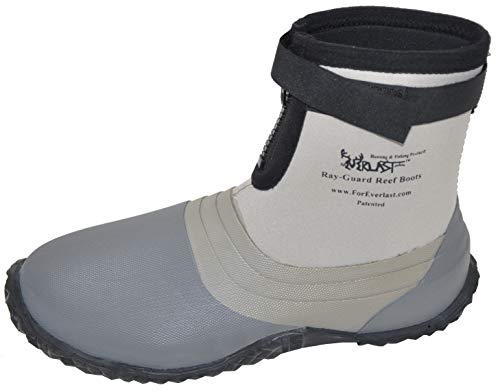
- Four-layer vulcanized rubber sole
- Drainage vent and grit-control system
- Ankle support with cuff and zipper
Best For: Uneven, sharp river or reef terrain
Stud-Ready River Pick
Paramount Outdoors Stonefly Wading Shoe
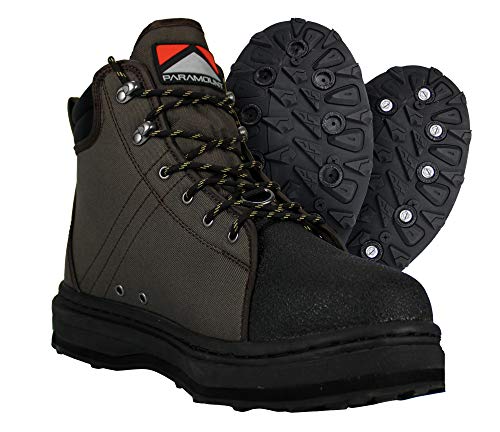
- Cleated outsole with included steel studs
- Reinforced toe and stiff midsole
- Designed for stockingfoot wader booties
Best For: Fly fishing on slick rocks and muddy river banks
Lightweight Hip-Wader Coverage

- Lightweight nylon-reinforced PVC construction
- Anti-slip boot sole for slippery surfaces
- Taped, double-stitched waterproof seams
Best For: Shallow-water fishing, hunting, and general wet work
Rocky-Surface Traction
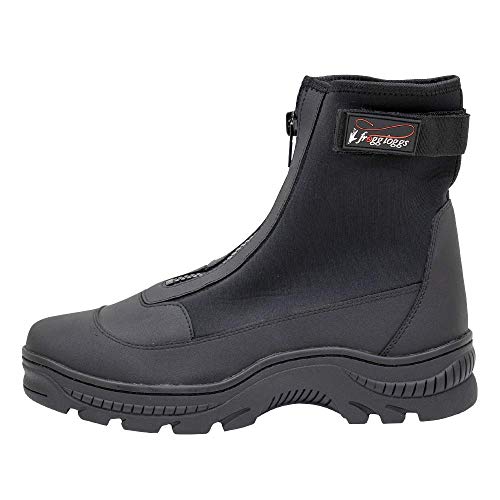
- Cleated rubber athletic outsole
- Reinforced toe and heel caps
- Gusseted zipper helps keep grit out
Best For: Surf, sand, and rocky-surface fishing
Lightweight Fly-Fishing Support

- Breathable, lightweight, quick-draining design
- Non-slip rubber sole for varied bottoms
- Reinforced toe and heel with ankle padding
Best For: Fly fishing with compatible waders
Lightweight River Trekker – Foxelli Wading Boots
Foxelli Wading Boots – Lightweight Fly Fishing Boots for Men, Rubber Sole Wading Shoes
Check Price On AmazonFor anglers comparing wading boots for rocky rivers, the Foxelli Wading Boots emphasize low weight, flexible movement, and reliable rubber traction. Reinforced stitching, toe and heel protection, and quick-draining mesh ports make them practical for riverbeds, banks, and hikes to the water.
Best For: Anglers who prioritize lightweight comfort and flexible rubber-sole traction for rocky rivers and approach trails.
Pros:
- Lightweight design weighs 1.3 pounds per boot and includes OrthoLite insoles with EVA midsoles.
- Rubber toe and heel rands plus an abrasion-resistant upper help handle rocks, gravel, and brush.
- Slip-resistant rubber tread and mesh drain ports support footing and reduce water weight.
- Rear pull loop, lace hooks, and a rubber kick-log simplify use.
Cons:
- They are not insulated or fully waterproof, so cold conditions require appropriate neoprene booties.
- Thicker 4–5 mm socks or extra layers may require ordering one size up.
The Foxelli is a sensible pick when mobility and everyday comfort matter more than heavy insulation. Its protective details and water-ready construction suit rocky river access without adding unnecessary bulk.
Interchangeable-Sole Specialist – Korkers Greenback Wading Boots
Korkers Greenback Wading Boot with Felt & Kling-On Soles, Dried Herb/Black, Size 11
Check Price On AmazonThe Korkers Greenback is a versatile option among wading boots for rocky rivers because it includes both felt and Kling-On sticky rubber soles. Its interchangeable OmniTrax 3.0 system lets anglers adapt traction to the fishing environment while internal drainage helps shed water and weight.
Best For: Anglers who want to switch between felt and sticky rubber traction for different river conditions.
Pros:
- Includes plain felt and Kling-On sticky rubber soles.
- OmniTrax 3.0 allows interchangeable compatible outsoles.
- Internal channels and midsole ports help remove excess water and weight.
- Hydrophobic materials support faster drying and may lessen invasive-species spread.
Cons:
- The listed weight is 2 pounds 7 ounces per pair in size 9, so it is not the lightest option.
- Felt traction may be restricted by state regulations, requiring users to check local rules.
Choose the Greenback when changing traction is more valuable than minimizing boot weight. The included soles and drainage-focused design give it useful adaptability for varied rocky-river conditions.
Rocky-Bottom Workhorse – FROGG TOGGS Deep Current Wading Boot
For wading boots for rocky rivers, the FROGG TOGGS Deep Current focuses on protection, drainage, and stable navigation. Anglers can choose a heavy-duty rubber cleated outsole or felt version, while reinforced toe and heel areas help address sharp rocks and accidental stubs.
Best For: Anglers seeking substantial ankle support and a choice of cleated rubber or felt traction for rugged river bottoms.
Pros:
- Available with a heavy-duty rubber cleated outsole or felt sole.
- Toe and heel protection helps guard against sharp rocks and impacts.
- Micro-screen drain ports release water while limiting sand and grit entry.
- Broad platform, ankle support, durable laces, and a pull handle support river use.
Cons:
- The product is listed as not water resistant.
- Felt use may be unsuitable where local regulations restrict it.
- The manufacturer warranty is listed as 60 days.
The Deep Current is built for anglers who want a sturdy, supportive boot for rough approaches and uneven bottoms. Its selectable outsole and protective construction make it particularly practical when rocky terrain is the main concern.
Guide-Caliber Fit System – Korkers River Ops Boa Wading Boots
The Korkers River Ops Boa brings quick adjustment and adaptable traction to wading boots for rocky rivers. Its BOA M2 fit system, OmniTrax interchangeable soles, molded abrasion-resistant protection, and internal drainage are designed for demanding river use.
Best For: Anglers who want quick BOA adjustment, interchangeable felt and Vibram traction, and extensive upper protection.
Pros:
- BOA M2 fit system enables quick on/off and a customizable fit.
- OmniTrax interchangeable sole system supports changing traction as conditions shift.
- Exo-Tec construction provides 360-degree molded abrasion-resistant protection.
- Hydrophobic materials and internal drainage promote faster drying and reduced water weight.
Cons:
- It is listed at 3 pounds, making it heavier than lightweight alternatives.
- The mid-calf profile may feel less streamlined than an ankle-high boot.
- Felt and Vibram sole options should be matched to local regulations and conditions.
The River Ops Boa is the feature-rich choice for anglers who value fast fit changes and high-coverage protection. It makes the most sense for frequent waders tackling varied, rocky conditions rather than those seeking the lightest boot.
Versatile Traction Pick – FROGG TOGGS Hellbender Wading Boot
For anglers comparing wading boots for rocky rivers, the FROGG TOGGS Hellbender stands out for its choice of felt or cleated soles. Its draining mesh-and-PVC upper, protective toe and heel caps, and cushioned polyurethane midsole are aimed at comfortable full-day fishing.
Best For: Anglers who want to choose between felt and cleated traction for wet rocks, gravel, mud, and debris.
Pros:
- Available with felt or cleated soles for different fishing environments.
- Water-draining mesh and PVC upper helps shed water.
- Wide wading last, padded ankle collar, and polyurethane midsole support comfort and stability.
- Speed laces with a locking clip allow a fast, secure fit.
Cons:
- The supplied listing identifies the boot as not water resistant.
- The manufacturer warranty is listed as 60 days.
The Hellbender is a flexible, feature-focused option when selectable sole traction and all-day comfort matter more than a waterproof construction.
Hard-Sole Protection Pick – Foreverlast Ray-Guard Reef Boot
When shopping for wading boots for rocky rivers, the Foreverlast Ray-Guard Reef boot emphasizes protection on uneven, sharp terrain. Its four-layer vulcanized rubber sole, ankle support, drainage vent, and cuff-and-zipper closure are designed for secure movement in water and around reef structures.
Best For: Anglers prioritizing a hard sole, underwater protection, and drainage in uneven river or reef environments.
Pros:
- Hard sole with four layers of vulcanized rubber protects against sharp or uneven terrain.
- Vent and SD System help drain water while limiting rock and grit entry.
- Lightweight design includes strong ankle support.
- Hook-and-loop cuff plus zipper helps create a secure, personalized fit.
Cons:
- The pull-on design may offer less traditional lace adjustment.
- The listing describes a platform heel rather than a flat sole.
The Ray-Guard is a practical choice for rocky or reef-like footing where underfoot protection and water drainage are key priorities.
Stud-Ready River Pick – Paramount Outdoors Stonefly Wading Shoe
Paramount Outdoors Stonefly Cleated Sole Wading Boot, Rubber Bottom Wading Shoe (10)
Check Price On AmazonThe Paramount Outdoors Stonefly is built for anglers seeking wading boots for rocky rivers with configurable traction. Its cleated rubber outsole accepts included steel studs, while a reinforced toe, stiff midsole, padded collar, and gravel-guard attachment point add support around moving water and muddy banks.
Best For: Fly anglers wearing stockingfoot waders who want cleated traction with the option to add steel studs.
Pros:
- Cleated outsole has recessed stud points for traction on slick rocks and muddy banks.
- Included steel studs can be used or left off.
- Reinforced Rock Jam toe cap and stiff midsole improve protection.
- Padded collar, heel pull, and speed laces support fit and convenience.
Cons:
- Designed to be worn with stockingfoot wader booties, not as a standalone waterproof boot.
- The supplied listing identifies it as not water resistant.
The Stonefly offers a strong balance of river traction and protective structure, especially for anglers who want to tailor grip with removable steel studs.
Lightweight Hip-Wader Coverage – Trudave Hip Waders
For anglers who need practical coverage in shallow rivers and streams, these Trudave hip waders offer a lightweight alternative to traditional rubber designs. Their nylon-reinforced PVC construction, waterproof seams, and bootfoot design make them a straightforward option among wading boots for rocky rivers, especially where hip-height protection is sufficient.
Best For: Fishing, hunting, and other tasks requiring lightweight waterproof hip coverage.
Pros:
- Nylon-reinforced PVC construction is described as lightweight, waterproof, and flexible.
- Anti-slip boot soles are intended for muddy or slippery surfaces.
- Seams are glued, double-stitched, and taped, with a heat-welded boot attachment.
- Adjustable web belt, quick-release buckles, and elastic stride flex support mobility.
Cons:
- Hip-wader coverage is lower than chest-high protection.
- The supplied notes do not specify a rock-specific sole compound or felt outsole.
- Buyers with larger thigh circumference may need to size up.
These are a sensible choice when you want flexible, waterproof hip waders with built-in boots and basic traction. For especially technical rocky river crossings, compare the sole design and coverage level with your conditions.
Rocky-Surface Traction – FROGG TOGGS Aransas II
The FROGG TOGGS Aransas II is built around a 5mm neoprene shell and a cleated rubber athletic outsole. Reinforced toe and heel caps make it a relevant option for anglers comparing wading boots for rocky rivers, while the zipper, gusset, and ankle strap are designed to limit sand and grit entry.
Best For: Surf, sand, and rocky-surface fishing where cushioning and cleated rubber traction are useful.
Pros:
- Cleated one-piece rubber outsole provides traction.
- Reinforced toe and heel caps add protection around rocky surfaces.
- EVA midsole and athletic outsole provide cushioning for extended wear.
- Neoprene upper, ankle tension strap, and gusseted zipper help keep grit out.
Cons:
- The listed water-resistance level is “Not Water Resistant,” despite the fishing-oriented design.
- At 3.3 pounds, it may feel heavier than lightweight mesh alternatives.
- The ankle-high form provides less coverage than full waders.
Choose this model when outsole traction, toe protection, and grit control matter more than minimal weight. Its listed water-resistance rating deserves particular attention before using it for prolonged immersion.
Lightweight Fly-Fishing Support – Kylebooker Wading Boots
These Kylebooker wading boots focus on low weight, breathability, and quick drainage for anglers who spend time moving through water. The mesh upper, reinforced toe and heel, padded ankle collar, and non-slip rubber sole make them a practical pair to consider among wading boots for rocky rivers.
Best For: Fly fishing and wader-compatible use where quick drainage and ankle support are priorities.
Pros:
- Lightweight, breathable, and quick-draining construction is suited to active wading.
- Reinforced mesh toe and heel improve foot protection.
- Non-slip rubber soles are designed for traction on mossy rocks, logs, and muddy bottoms.
- Wide collar is intended to pair well with waders, while the padded ankle collar adds support.
Cons:
- The notes do not specify a cleat, felt, or studded outsole option.
- Mesh construction may offer less abrasion protection than heavier boot materials.
- They are ankle-high rather than a standalone high-coverage wader.
This is the most mobility-focused option of the group, with drainage and a supportive fit aimed at fly fishing. Verify that its rubber sole provides enough grip for your particular riverbed, especially on persistently slick rock.
How We Picked the Best Wading Boots for Rocky Rivers
We focused on the features that matter most when crossing uneven, current-washed riverbeds: dependable traction, protective construction, ankle support, water resistance, sole versatility, and reasonable weight. The selection includes dedicated wading boots, surf and reef footwear, bootfoot hip-wader options, and budget-friendly designs.
Because river conditions vary, no single boot is ideal for every angler. Felt can provide strong grip on wet rock, while rubber or cleated soles may be more practical where regulations, mud, mixed terrain, or hiking distance are concerns. Interchangeable soles add flexibility but can increase cost and maintenance.
Quick Comparison
- Best for interchangeable traction: Korkers Greenback and River Ops Boa models.
- Best for lightweight value: Foxelli and other lightweight rubber-sole options.
- Best for traditional felt or cleated grip: FROGG TOGGS Hellbender and Paramount Outdoors Stonefly.
- Best for reef and hard surfaces: Ray-Guard Reef boots.
- Best for shallow-water or overland coverage: Trudave hip waders.
- Best for surf and sandy environments: FROGG TOGGS Aransas II.
Key Buying Factors for Wading Boots for Rocky Rivers
Traction and Sole Type
Look for soles suited to the riverbed you fish most often. Felt is widely valued for wet-rock grip, although local rules may restrict its use because of invasive-species concerns. Rubber soles are versatile and easier to clean, while studs or cleats can improve purchase on hard, slippery rock but may be less comfortable on trails and damaging to some surfaces.
Support and Protection
A structured upper, reinforced toe, and stable ankle area help reduce foot fatigue and protect against impacts. Choose a snug, supportive fit without crushing your toes; oversized boots can make edging across rocks less secure.
Weight, Drainage, and Fit
Lightweight boots are useful for long approaches, but very light construction may offer less protection. Check the manufacturer’s sizing guidance and allow room for the socks or wader stockingfeet you plan to wear. Drainage and quick-drying materials are valuable when boots will be used repeatedly.
Durability and Maintenance
Sealed seams, abrasion-resistant panels, and durable sole bonding can extend service life. Rinse boots after use, remove debris, and dry them fully. If using felt, follow local decontamination requirements carefully.
Who Should Buy Which Wading Boots for Rocky Rivers?
Choose interchangeable-sole Korkers boots if you fish varied rivers and want to adapt traction without buying multiple pairs. Select a felt or cleated model if your usual water has consistently slick, hard-bottomed stretches and the sole type is permitted. Rubber-sole boots are a practical all-around choice for anglers who prioritize easy cleaning, mixed terrain, or frequent hiking.
For shallow water, hunting, or anglers who want integrated upper coverage, hip waders with attached boots may be more suitable than standalone footwear. Reef and surf boots make more sense for coastal rocks and sandy approaches than for deep, technical wading. Finally, budget-conscious anglers should prioritize a secure fit and dependable sole over decorative features: stable footing is the most important feature in Wading Boots for Rocky Rivers.