Saltwater wading demands more than ordinary fishing shoes. The right boots must provide dependable traction on slippery flats, shells, rocks, and boat ramps while staying comfortable through changing tides and long walks.
This roundup compares 10 options for surf fishing, flats fishing, and wet wading, including lightweight neoprene designs, rugged rubber soles, cleated models, and felt-soled boots where permitted. Use the guide below to match construction and traction to your usual coastline and fishing style.
Best 10 Wading Boots for Saltwater Picks for 2026
Lightweight Flats Traction
Saltshaker Cleated Wading Boots

- Cleated rubber outsole for wet and dry traction
- Lightweight mesh-and-rubber upper helps drain water
- Neoprene lining and wide wading last support comfort
Best For: Saltwater flats anglers wanting lightweight traction
Neoprene Zipper Support
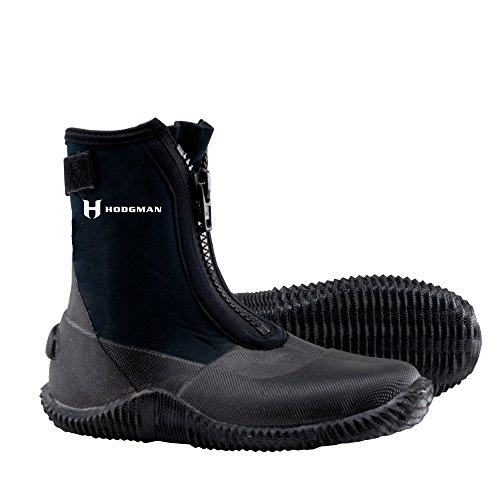
- 3.5mm neoprene upper for structured coverage
- YKK zipper and heel cuff adjustment aid fit
- Rubber outsole and toe protection add coverage
Best For: Anglers wanting a conventional neoprene wade shoe
Corrosion-Resistant Surf Design

- Corrosion-resistant construction for saltwater surf fishing
- Athletic outsole and stiff midsole support wet footing
- Zip-front and lace-up closure secure the fit
Best For: Surf anglers prioritizing saltwater durability and stability
Hard-Sole Reef Protection
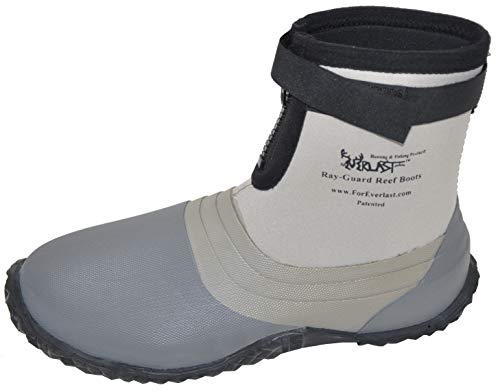
- Four-layer vulcanized rubber sole protects against sharp terrain
- Inner-sole vent helps excess water drain
- Cuff and zipper provide secure ankle fit
Best For: Reef anglers needing hard-soled underwater protection
Rugged Current Choice

- Felt or cleated outsole options
- Micro-screen drainage ports
- Protective toe and heel caps
Best For: Anglers needing durable support across rocky, muddy, and uneven terrain
Lightweight Shore Walker

- 1.3 pounds per boot
- Quick-draining mesh ports
- Cushioned, removable OrthoLite insoles
Best For: Comfort-focused anglers hiking to shorelines and wading in moderate conditions
Women’s Stable Wading Pick

- Felt or cleated sole choices
- Wide, supportive wading last
- Padded collar and locking speed laces
Best For: Women anglers wanting cushioned support and a secure fit for full-day wading
Lightweight Flats Option
Foreverlast Gen II Flats Boots
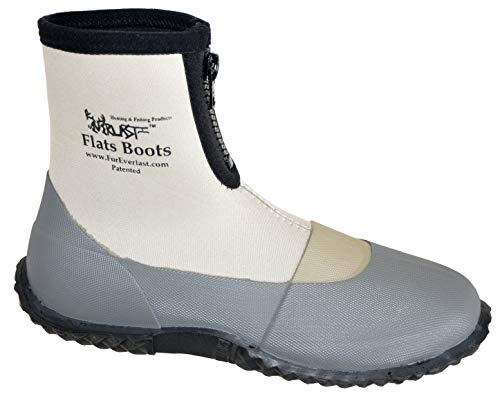
- Lightweight, approximately 5 ounces
- Rubber sole with vulcanized-rubber layer
- Neoprene gusset and roomy instep
Best For: Beach, boat-deck, and lighter surf wading
Versatile Traction Pick
FROGG TOGGS Hellbender Wading Boot

- Cleated sole for wet rocks, mud, and debris
- Water-draining mesh and PVC upper
- Wide wading last and padded ankle collar
Best For: Mixed terrain where traction and support are priorities
Stud-Ready River Traction
Paramount Outdoors Stonefly Wading Shoe
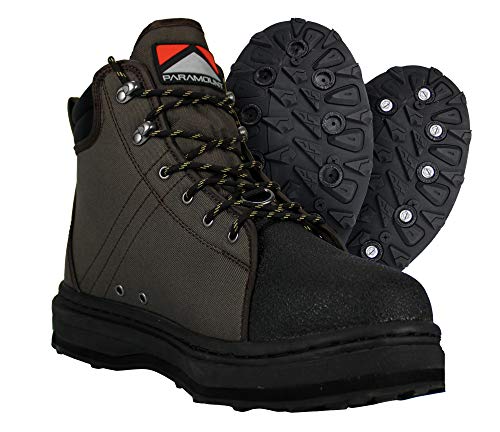
- Cleated rubber outsole with included steel studs
- Reinforced toe cap and stiff midsole
- Designed for stockingfoot wader booties
Best For: Slick rocks and muddy banks requiring adjustable traction
Lightweight Flats Traction – Saltshaker Cleated Wading Boots
For anglers seeking wading boots for saltwater flats, the FROGG TOGGS Saltshaker emphasizes low weight, drainage, and traction. Its cleated rubber outsole is designed for grip on wet and dry surfaces, while the mesh-and-rubber upper helps water escape.
Best For: Saltwater flats anglers who prioritize lightweight construction and cleated traction.
Pros:
- Cleated outsole provides traction on wet and dry surfaces.
- Lightweight mesh and rubber upper supports water drainage.
- Neoprene lining, cushioned polyurethane midsole, and wide wading last add comfort and stability.
- Speed laces allow a fast, secure fit.
Cons:
- Listed as not water resistant.
- Designed as a mid-top shoe rather than a taller boot.
The Saltshaker is a practical choice for warm-weather flats and boating use when grip and drainage matter more than waterproofing or extended shaft coverage.
Neoprene Zipper Support – Hodgman Neoprene Wade Shoe
The Hodgman Neoprene Wade Shoe is a straightforward option for shoppers comparing wading boots for saltwater. It combines a 3.5mm neoprene upper with a rubber outsole, toe protection, and a durable YKK zipper for a secure, adjustable fit.
Best For: Anglers wanting a neoprene wade shoe with zipper entry and rubber protection.
Pros:
- 3.5mm neoprene upper provides structured coverage.
- YKK zipper supports convenient entry and closure.
- Rubber outsole and toe protection help shield the foot.
- Cuff adjustment around the upper heel helps refine the fit.
Cons:
- Fit may require size conversion; the guidance typically varies by men’s and women’s shoe sizing.
- Listed as a flat style rather than a taller boot.
With its protective rubber components and adjustable cuff, this Hodgman model suits anglers who prefer a conventional neoprene wade shoe and are willing to follow the brand’s sizing guidance.
Corrosion-Resistant Surf Design – Salt Flats Wading Boot
Built specifically with saltwater conditions in mind, the Paramount Outdoors Salt Flats is a strong candidate among wading boots for saltwater surf fishing. Its corrosion-resistant construction, athletic outsole, stiff midsole, and combined zip-and-lace closure target secure footing in wet conditions.
Best For: Surf anglers who want corrosion resistance and a secure ankle-height fit.
Pros:
- Corrosion-resistant construction is intended for saltwater surf fishing.
- Stiff midsole helps support a steady step in wet conditions.
- Athletic outsole is designed for grip.
- Front zipper and lacing provide convenient, secure closure.
Cons:
- Listed as not water resistant.
- Available in men’s sizes 8 through 13 only, according to the supplied details.
- At 4.2 pounds, it may feel substantial compared with lighter models.
The Salt Flats stands out for saltwater-specific corrosion resistance and stable footing, though buyers should confirm sizing and consider its listed weight before choosing it for long sessions.
Hard-Sole Reef Protection – Ray-Guard Reef Wading Boots
The Foreverlast Ray-Guard Reef boot focuses on protection for anglers navigating reefs, uneven bottoms, and sharp underwater terrain. Four layers of vulcanized rubber form a hard sole, while the vented design helps drain water and the cuff-and-zipper closure secures the ankle.
Best For: Reef and river-bottom anglers needing a hard sole with added underwater terrain protection.
Pros:
- Four-layer vulcanized rubber bottom helps protect against sharp, uneven terrain.
- Vent in the inner sole allows excess water to drain.
- SD system is designed to let water out while limiting rock and grit entry.
- Hook-and-loop cuff plus zipper supports a personalized fit and ankle support.
Cons:
- Hard-soled construction may be less flexible than lighter flats shoes.
- Water-resistant materials are not the same as a fully waterproof design.
- The pull-on style with cuff and zipper may require more adjustment than simple laces.
For saltwater reef work and site casting from a boat, the Ray-Guard offers the most emphasis on underfoot protection in this group, with drainage features to help manage water inside the boot.
Rugged Current Choice – Deep Current Wading Boot
For anglers comparing wading boots for saltwater, the FROGG TOGGS Deep Current offers a durable, supportive build for rocky shores, wet logs, mud, and uneven bottoms. Choose the cleated or felt outsole according to your local regulations and fishing environment.
Best For: Anglers who want sturdy ankle support and a broad, stable platform for varied wading conditions.
Pros:
- Available with either felt or rubber cleated outsoles.
- Micro-screen drain ports release water while helping keep sand and grit out.
- Toe and heel protection helps guard against stubs and sharp rocks.
- Large heel pull, durable laces, and gravel-guard lace hooks simplify use.
Cons:
- The listed water-resistance level is not water resistant.
- Felt and cleated sole availability may require checking local regulations and conditions.
- The manufacturer warranty is listed as 60 days.
The Deep Current is a practical choice when durability, drainage, and stability matter more than a lightweight minimalist design. Its two outsole options make it adaptable, but confirm which sole is appropriate before buying.
Lightweight Shore Walker – Foxelli Wading Boots
Foxelli Wading Boots – Lightweight Fly Fishing Boots for Men, Rubber Sole Wading Shoes
Check Price On AmazonThese Foxelli wading boots for saltwater emphasize low weight, flexible movement, and quick drainage for anglers traveling from trail to shoreline. The rubber outsole is designed to help maintain traction on wet, uneven surfaces.
Best For: Anglers who prioritize all-day comfort, lighter footwear, and a roomy fit for stockingfoot waders.
Pros:
- Lightweight design weighs 1.3 pounds per boot.
- Removable OrthoLite insoles and EVA midsoles help reduce joint fatigue.
- Mesh drain ports release water while helping block debris.
- Rubber toe and heel rands add protection, while the tread channels water and debris.
Cons:
- They are not insulated or fully waterproof.
- The rubber sole may offer a different grip profile than felt on especially slick surfaces.
- Thicker 4–5 mm socks or cold-weather layers may require sizing up.
Foxelli’s combination of drainage, flexible materials, and cushioning makes these a comfortable option for long approaches and moderate wading. They pair best with neoprene booties rather than serving as a fully waterproof or insulated boot.
Women’s Stable Wading Pick – Hellbender Wading Boot
For women seeking wading boots for saltwater, the FROGG TOGGS Hellbender combines a wide wading last, padded ankle collar, and water-draining upper for a comfortable, stable fit. It is available in felt or cleated versions for different fishing environments.
Best For: Women anglers looking for cushioned support and a quick, secure lace system during full days outdoors.
Pros:
- Felt and cleated options provide flexibility for different surfaces and conditions.
- Lightweight mesh and PVC construction supports water drainage.
- Enhanced toe and heel caps help protect against impacts.
- Wide last, polyurethane midsole, padded collar, and locking speed-lace clip improve comfort and fit.
Cons:
- The listed water-resistance level is not water resistant.
- Felt soles may be restricted in some areas, so local regulations should be checked.
- The listed seasonal classification is spring/summer.
The Hellbender is a sensible fit-focused option for anglers who want cushioning and stability without giving up drainage. Select the outsole based on local rules and the surfaces you expect to encounter.
Lightweight Flats Option – Foreverlast Gen II Flats Boots
For beach access, boat decks, and lighter surf wading, these Foreverlast boots offer a simple, lightweight option among wading boots for saltwater. Their rubber soles and neoprene construction prioritize comfort and basic underfoot protection.
Best For: Beach, boat-deck, and surf wading in areas where urchins are less likely.
Pros:
- Lightweight design at approximately 5 ounces.
- Hard sole includes a layer of vulcanized rubber.
- Neoprene inner gusset and roomy instep support comfort.
- Water-resistant construction with a pull-on design.
Cons:
- Not intended for areas where urchins are common.
- Water-resistant rather than fully waterproof.
- Ankle-height design offers less coverage than taller boots.
The Foreverlast Gen II is a convenient choice when low weight and easy pull-on wear matter more than heavy-duty protection. Its intended use is best matched to relatively forgiving saltwater terrain.
Versatile Traction Pick – FROGG TOGGS Hellbender Wading Boot
The FROGG TOGGS Hellbender is a supportive choice for anglers who need traction-focused wading boots for saltwater and varied wet terrain. The cleated version is designed for grip on wet rocks, gravel, mud, and debris, while its padded construction supports longer outings.
Best For: Anglers needing cleated traction, drainage, and cushioned support across mixed fishing terrain.
Pros:
- Cleated sole option helps provide traction on wet rocks, gravel, mud, and debris.
- Water-draining mesh and PVC upper helps manage water during fishing.
- Polyurethane midsole, padded ankle collar, and wide wading last add comfort and stability.
- Speed laces with a locking clip allow a fast, secure fit.
Cons:
- Listed as not water resistant.
- The supplied version is cleated rather than felt-soled.
- At approximately 1.5 pounds, it is heavier than a minimalist flats boot.
With its protective toe and heel caps, drainage-focused upper, and cleated outsole, the Hellbender is suited to anglers who value support and traction over ultralight weight. Select the sole style to match the conditions you fish.
Stud-Ready River Traction – Paramount Outdoors Stonefly Wading Shoe
Paramount Outdoors Stonefly Cleated Sole Wading Boot, Rubber Bottom Wading Shoe (10)
Check Price On AmazonThe Paramount Outdoors Stonefly is a sturdy option for anglers comparing wading boots for saltwater or moving-water environments. Its cleated rubber outsole accepts included steel studs, and the reinforced toe and midsole add protection when crossing slick rocks and muddy banks.
Best For: Stockingfoot-wader users who want adjustable traction and reinforced protection on slick or uneven ground.
Pros:
- Cleated rubber outsole includes recessed points for steel wading studs.
- Included studs can be worn with or without the cleated configuration.
- Reinforced Rock Jam toe cap and stiff midsole improve protection.
- Padded collar, heel pull, and gravel-guard attachment point support practical use.
Cons:
- Listed as not water resistant.
- Designed to be worn with stockingfoot wader booties, so sizing differs from regular footwear.
- Lace-up and speed-lace closure takes more adjustment than a pull-on boot.
The Stonefly stands out for customizable traction and durable river-oriented construction. It is a strong fit when you already use stockingfoot waders and need a supportive, stud-ready shoe for slippery terrain.
How We Picked the Best Wading Boots for Saltwater
We focused on the features that matter most in coastal conditions: sole traction, water resistance, weight, comfort, ankle support, durability, and ease of cleaning. The lineup includes boots suited to sandy flats, rocky shorelines, wading access points, and mixed-use fishing trips. We also considered whether each design offers cleated, felt, rubber, or hard-soled construction, since surface conditions and local regulations vary.
Saltwater accelerates corrosion and material wear, so practical maintenance matters as much as initial performance. Boots that can be rinsed thoroughly, drained easily, and dried between outings are generally better long-term choices.
Quick Comparison
| Best For | Look For | Typical Advantage |
|---|---|---|
| Sandy flats | Lightweight rubber or neoprene boot | Comfortable walking and easy cleaning |
| Rocky shorelines | Firm outsole with dependable grip | Better protection and stability |
| Mixed terrain | Cleated or versatile rubber sole | Adaptable traction across surfaces |
| Long approaches | Low weight and supportive fit | Less fatigue over distance |
Key Buying Factors for Wading Boots for Saltwater
Traction and Sole Type
Choose the sole for the surfaces you actually fish. Rubber soles are versatile and easier to clean, while cleats can improve grip on slippery rocks and uneven bottoms. Felt may provide excellent traction on certain wet, rocky surfaces, but it is restricted or prohibited in some regions because of invasive-species concerns. Check local rules before buying and clean boots between waterways.
Fit, Support, and Drainage
A secure heel and supportive ankle reduce slipping inside the boot, especially when crossing current or walking over uneven ground. Leave enough room for the socks you plan to wear without allowing excessive movement. Drainage is also important: waterlogged boots become heavy and can cause blisters during long sessions.
Materials and Saltwater Care
Neoprene is flexible and comfortable, while rubber and reinforced uppers can offer stronger abrasion resistance. After every saltwater trip, rinse boots with fresh water, remove sand and shells from the sole, and dry them completely away from intense heat. Inspect stitching, eyelets, and sole bonding regularly.
Who Should Buy Which Wading Boots for Saltwater?
Choose a lightweight neoprene or rubber boot if you spend most of your time walking sandy flats or making long approaches. A cleated model is better for anglers who regularly encounter slippery rock, algae-covered ramps, or firm uneven bottoms. Consider a hard-soled or more protective boot for shell, coral, and rough shoreline environments. If you fish varied locations, prioritize a versatile rubber outsole and a comfortable fit over specialized traction that may be unsuitable elsewhere.
Finally, match the boot height and warmth to your season. Breathable, low-profile options suit warm-weather wet wading, while more substantial designs can provide extra protection and insulation in cooler water. The best choice is the one that fits securely, matches local sole regulations, and remains comfortable for the full length of your typical fishing day.